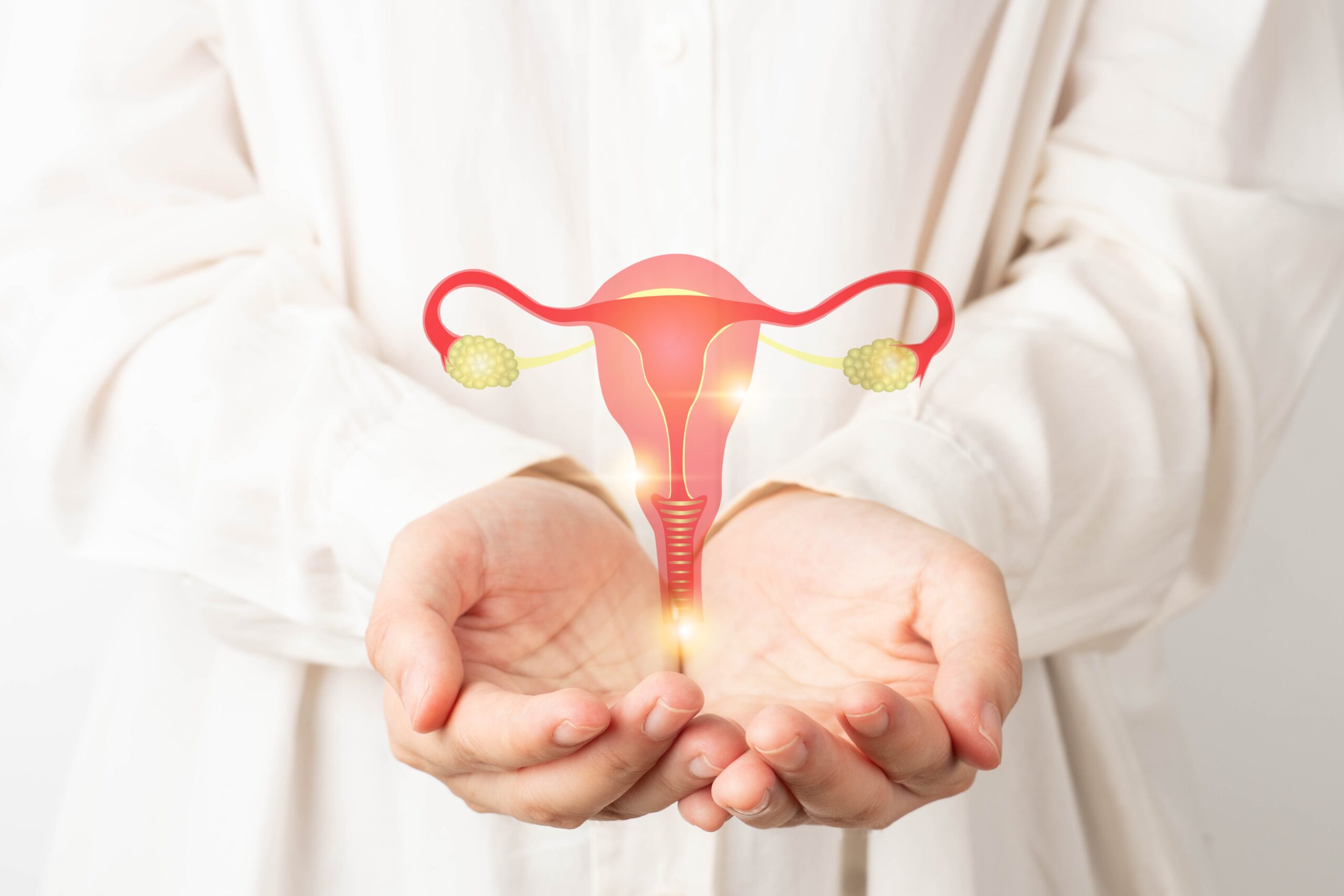
Vaginal cancer most commonly occurs in the cells that line the surface of your vagina, known as the vaginal epithelium. While several types of cancer, such as cervical or endometrial cancer, can spread to the vagina, primary vaginal cancer — cancer that originates in the vagina itself — is considered rare. However, early detection is crucial, as symptoms can be subtle and often overlooked in the early stages.
Common symptoms may include abnormal vaginal bleeding (especially after intercourse or between periods), watery vaginal discharge, a lump or mass in the vagina, pelvic pain, or pain during intercourse. Women over the age of 60 or those with a history of human papillomavirus (HPV) infection are at a higher risk.
Timely gynecological evaluations and regular screenings can help detect abnormal changes early. If you notice persistent symptoms or are concerned about your gynecological health, schedule an appointment with the best GYN in East New York at Doral Health and Wellness – Women’s Health Center. Our compassionate and experienced team specializes in early detection, personalized treatment, and holistic care for women’s health issues, including rare gynecologic cancers.
Types of Vaginal Cancer
There are different types of vaginal cancer, each named according to the specific cells within the vaginal tissue where the cancer originates. Understanding these types is crucial for accurate diagnosis and treatment planning:
1. Squamous Cell Carcinoma
This is the most common type of vaginal cancer, accounting for more than 80% of all cases. It develops in the squamous cells — the thin, flat cells that line the surface of the vagina. Squamous cell carcinoma typically grows slowly and is more often diagnosed in women over the age of 60. Early symptoms may include unusual vaginal bleeding, discharge, or a lump in the vaginal area.
2. Adenocarcinoma
Adenocarcinoma originates in the glandular cells of the vaginal lining that produce mucus. It is more common in postmenopausal women, especially those over 50. One rare subtype, called clear cell adenocarcinoma, has been linked to prenatal exposure to diethylstilbestrol (DES), a synthetic form of estrogen once prescribed during pregnancy.
3. Sarcoma
Sarcoma begins in the connective tissues or muscle cells of the vaginal wall. Although extremely rare, it tends to be more aggressive. There are two primary forms:
Rhabdomyosarcoma, more common in infants and young girls,
Leiomyosarcoma, which often affects women around 50 years of age.
4. Melanoma
Vaginal melanoma develops in the melanocytes — the cells that give pigment to the skin and mucous membranes. This type is also very rare and typically appears as a dark-colored lesion or growth in the vagina. It may be more difficult to detect in its early stages and can be aggressive in nature.
Symptoms of Vaginal Cancer
Vaginal cancer will not always cause you symptoms until your doctor notices the abnormal cells during your regular checkup. This is why getting regular checkups is especially important. If you go to your regular checkup, your doctor will be able to detect some changes even before your body alerts you that there is something wrong. But when symptoms occur, they may include:
- A mass in your vagina
- Vaginal discharge
- Vaginal bleeding, which is non-menstruation related, after sexual intercourse
- Vaginal bleeding even after menopause
- Pain during sexual intercourse
- Painful urination
- Constipation
- An urge to poop even after emptying your bowels
- Pelvic pain
Although having these symptoms is not an indicative sign that you have vaginal cancer, it is still important that you seek professional recommendations about routine pelvic exams that can give you a definitive diagnosis.
Causes of Vaginal Cancer
Some cases of vaginal cancer don’t have a clear cause, but some are linked to the HPV (Human Papillomavirus) or the human papillomavirus. HPV is the most common sexually transmitted disease that most often goes away on its own, but if left untreated could cause and lead to cervical and vaginal cancer.
You also have an increased risk of developing vaginal cancer if you:
- Are 60 years old or older
- Drink alcohol
- Have cervical cancer or precancerous lesions
- Smoke
- Have unusual cells in your vagina called vaginal intraepithelial neoplasia
Common Treatments for Vaginal Cancer
Surgery is often the first line of treatment for vaginal cancer, especially if the tumor is localized. The surgical approach may vary:
Local excision: Your doctor may use lasers or surgical tools to precisely remove cancerous tissue or lesions while preserving as much healthy tissue as possible.
Vaginectomy: In more advanced cases, partial or complete removal of the vagina may be necessary.
Hysterectomy: If the cancer has spread to nearby reproductive organs, a hysterectomy (removal of the uterus and cervix) may be performed.
Reconstructive surgery may be considered afterward to restore appearance and function.
2. Radiation Therapy
Radiation therapy uses high-energy beams like X-rays to destroy cancer cells. It can be used:
As a primary treatment for patients who cannot undergo surgery
After surgery to kill remaining cancer cells
In combination with chemotherapy for advanced-stage cancer
There are two types:
External beam radiation therapy (EBRT)
Internal radiation (brachytherapy), where a device is placed inside the vagina for targeted treatment
3. Chemotherapy
Chemotherapy involves the use of powerful anti-cancer drugs that circulate through your bloodstream to kill cancer cells. While chemotherapy alone isn’t usually enough to treat vaginal cancer, it is often combined with radiation (a treatment strategy known as chemoradiation) to increase its effectiveness.
There is no known prevention for vaginal cancer, but you can reduce its risk. You should get regular pelvic exams and Pap tests and get the HPV vaccine, quitting smoking is also an immense help in reducing your risk of developing vaginal cancer.
To know more about vaginal cancer, please schedule your appointment today at Doral Health and Wellness – Women’s Health Center. We help diagnose and run tests for any gynecological problems. We work with our patients in diagnosing and formulating treatment plans for the condition. To book an appointment, you can visit us at 1797 Pitkin Avenue, Brooklyn, NY, or call us on 1-347-384–5690 or 347-955-3465. You can also visit our website to book an appointment online at https://doralhw.org or contact us at info@mainwebsite.dialysisny.com if you have any queries.