For most people, an insect sting is a momentary nuisance—a sharp pinch followed by a bit of redness and itching that fades within hours. However, for a significant portion of the population, a simple sting can escalate into a life-threatening medical emergency. Understanding the connection between insect venom and allergic reactions is crucial for everyone, especially if you spend time outdoors. Venom allergies are not just about pain; they are about how your immune system interprets specific proteins injected into your skin. This article explores the science behind these reactions, explaining how insect venom can trigger allergic reactions that range from mild local swelling to severe anaphylaxis. By recognizing the mechanisms at play, you can better prepare yourself and know when it is time to seek professional medical advice. At Doral Health & Wellness, we have all the answers you need.
Understanding the Connection Between Insect Venom and Allergic Reactions
To grasp why some people react so severely to stings, we must look at the immune system’s role. The connection between insect venom and allergic reactions begins with sensitization. When an insect stings, it injects venom containing various proteins and enzymes.
In non-allergic individuals, the body simply repairs the local damage. In allergic individuals, the immune system mistakes these venom proteins for harmful invaders. It produces specific antibodies called Immunoglobulin E (IgE) to fight them. The next time the person is stung, these IgE antibodies recognize the venom instantly and signal the release of inflammatory chemicals like histamine. This rapid immune response is what causes the allergic symptoms.
How Insect Venom Can Trigger Allergic Reactions
The process of how insect venom can trigger allergic reactions is complex and can manifest in different ways. Reactions are generally categorized into three types based on severity and scope.
Normal vs. Large Local Reactions
- Normal Reaction: Pain, swelling, and redness at the sting site. This is a standard inflammatory response, not an allergy.
- Large Local Reaction: Swelling that spreads beyond the sting site. For example, a sting on the hand might cause the entire arm to swell. While uncomfortable, this usually does not progress to anaphylaxis, but it may indicate a higher risk for future systemic reactions.
Systemic Allergic Reactions (Anaphylaxis)
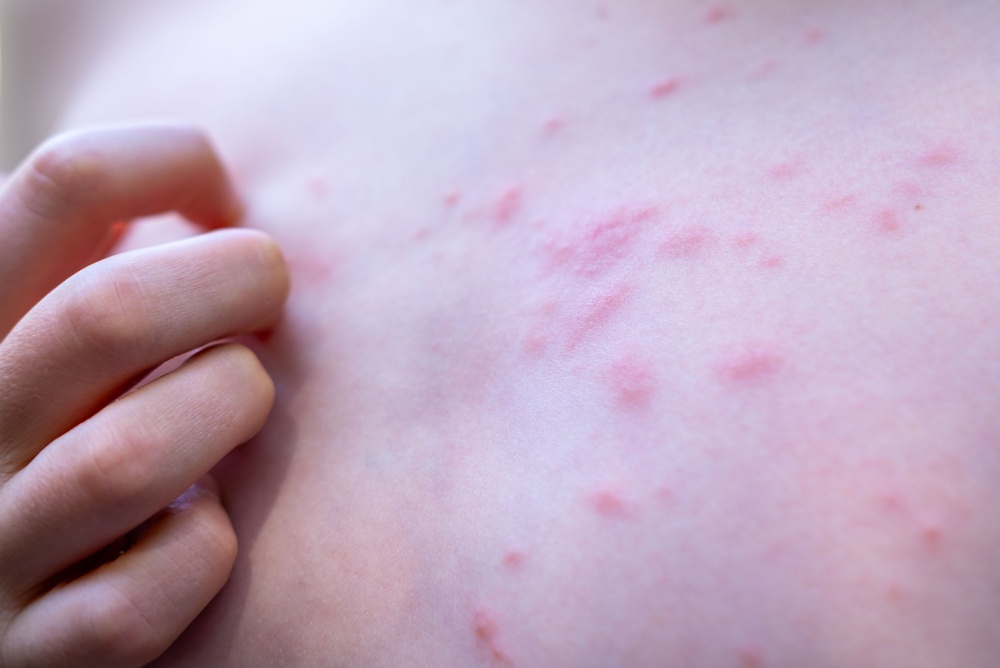
This is the most dangerous form of reaction. It occurs when the inflammatory chemicals are released throughout the body, not just at the sting site. Symptoms can include:
- Hives and itching all over the body
- Swelling of the throat and tongue
- Difficulty breathing or wheezing
- Dizziness or a drop in blood pressure
- Stomach cramps and nausea
If you experience any systemic symptoms, immediate medical attention is vital. Afterward, consulting an allergist is strongly recommended to assess your risk for future stings.
Common Culprits: Which Insects Cause Reactions?
Not all bugs are created equal when it comes to allergies. The stinging insects most likely to cause severe reactions belong to the Hymenoptera order.
Insect | Habitat | Venom Characteristics |
Honeybees | Gardens, flowering plants | Leave a barbed stinger in the skin; venom is potent. |
Wasps/Hornets | Eaves, shrubs, hollows | Smooth stingers allow them to sting multiple times. |
Yellow Jackets | Garbage cans, picnics | Highly aggressive; responsible for many late-summer stings. |
Fire Ants | Mounds in soil | Inject venom that causes a burning sensation and pustules. |
Diagnosis and Treatment
Living with the fear of a severe reaction can be stressful, but effective treatments exist. If you suspect you have a venom allergy, visiting an immunology clinic in Brooklyn is a smart step.
Venom Immunotherapy
Also known as allergy shots, venom immunotherapy is a highly effective long-term treatment. It involves administering tiny, gradually increasing amounts of venom to the patient. Over time, this desensitizes the immune system, significantly reducing the risk of a severe reaction. Studies show this treatment can provide 90-98% protection against anaphylaxis.
Emergency Medication
Individuals with a known allergy should always carry an epinephrine auto-injector (EpiPen). An allergist will teach you how and when to use it properly.
The connection between insect venom and allergic reactions is a serious health matter that requires awareness and proactive management. By understanding how insect venom can trigger allergic reactions, you can distinguish between a normal response and a medical emergency. Do not let the fear of stings keep you indoors. If you have had a suspicious reaction in the past, seeking expert care is essential. A consultation at a reputable immunology clinic in Brooklyn can provide you with life-saving knowledge and treatment options. A qualified allergist can provide the relief you need to feel your best. For a comprehensive evaluation of your symptoms and to receive expert medical advice, contact Doral Health & Wellness today at 1-718-365-2555 or visit us at 1797 Pitkin Avenue, Brooklyn, New York 11212. We are committed to providing the supportive and expert care you deserve. For general information about Doral Health & Wellness services, you can contact or email info@doralhw.org.