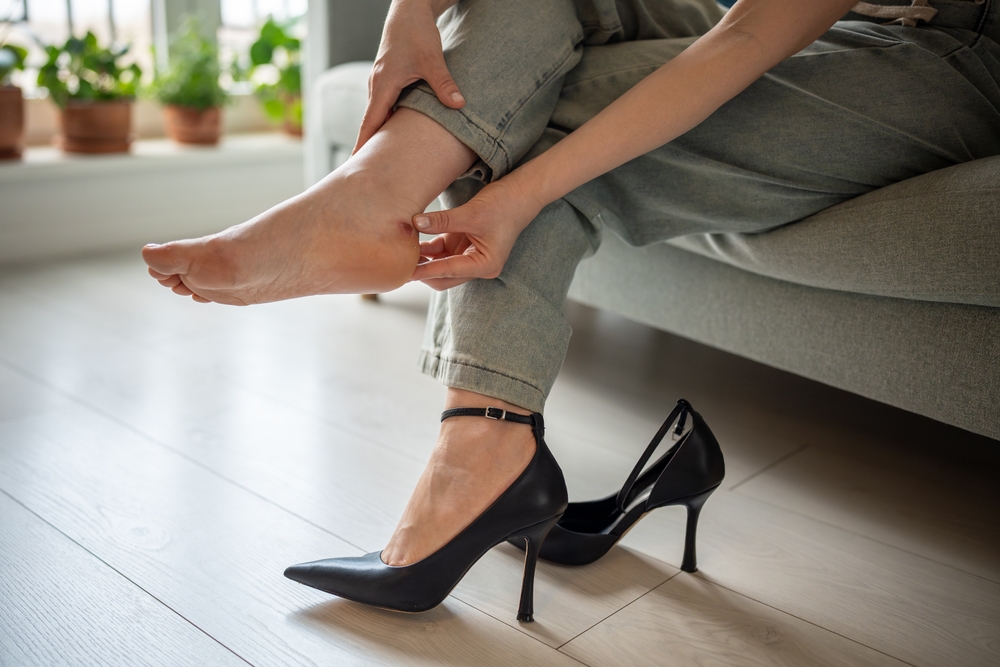
Sharp heel pain after walking on Brooklyn concrete is often caused by plantar fasciitis, a condition where the band of tissue supporting your arch becomes inflamed from repeated impact on hard surfaces. Other causes include heel spurs, Achilles tendinitis, and worn-out footwear. Rest, proper shoes, and stretching often help, but persistent pain should be evaluated by a podiatrist.
Walking through Brooklyn means navigating miles of unforgiving concrete, whether you are commuting to the subway, running errands on Court Street, or taking your dog around Prospect Park. That hard surface does not give an inch, and over time, your feet absorb every bit of that impact. If you have started noticing a sharp, stabbing pain in your heel after a long day on your feet, you are not imagining it. Brooklyn’s concrete sidewalks can be a real contributor to this kind of discomfort.
You do not have to accept heel pain as the price of city living. Understanding what is causing it is the first step toward finding relief.
What Causes Sharp Heel Pain After Walking on Hard Surfaces?
Heel pain rarely comes from nowhere. It develops gradually, often as a result of repetitive stress on the tissues, bones, and tendons in your foot. Concrete is significantly harder than natural terrain like grass or dirt, which means it offers no shock absorption. Every step sends force directly back up through your heel.
Over weeks or months, this repeated impact can inflame soft tissue, irritate nerves, or aggravate small stress points in the bone. For Brooklyn residents who log thousands of steps a day on unforgiving pavement, this cumulative stress adds up quickly.
Common Culprits Behind Heel Pain
Several specific conditions tend to show up in people who spend a lot of time walking on concrete.
- Plantar fasciitis: This is the most frequent cause of sharp heel pain, particularly the stabbing sensation felt with your first steps in the morning. It occurs when the plantar fascia, the band of tissue connecting your heel to your toes, becomes inflamed from overuse.
- Heel spurs: Calcium deposits can form on the underside of the heel bone over time, often alongside plantar fasciitis, creating additional pressure and pain.
- Achilles tendinitis: Repeated strain on the Achilles tendon, especially from walking in unsupportive shoes, can cause pain at the back of the heel.
- Stress fractures: In more severe cases, repetitive impact without adequate support can lead to tiny cracks in the heel bone itself.
How Do Hard Urban Surfaces Affect Foot Health?
City sidewalks were not designed with foot health in mind. Unlike softer surfaces, concrete does not flex or absorb shock, which means your feet, ankles, and knees bear the full brunt of every step. This is especially hard on people who walk long distances for work, wear unsupportive shoes, or already have underlying foot conditions.
Living in a walkable city like Brooklyn has real benefits, but it also means your feet are working overtime. Recognizing this connection can help you take proactive steps to protect them.
Prevention and Home Care Tips for Heel Pain
Small changes to your daily routine can make a meaningful difference in how your feet feel by the end of the day.
- Choose supportive footwear. Look for shoes with good arch support and cushioned soles, and avoid walking long distances in flat shoes or worn-out sneakers.
- Stretch daily. Gentle calf and plantar fascia stretches, done in the morning and before bed, can ease tension and reduce pain over time.
- Use orthotic inserts. Over-the-counter or custom orthotics can help redistribute pressure away from sensitive areas of the heel.
- Ice the area. Applying ice for 15 to 20 minutes after a long day of walking can help reduce inflammation.
- Rest when needed. Giving your feet a break from high-impact activity allows inflamed tissue time to heal.
When Should You See a Podiatrist for Heel Pain?
Home care resolves many mild cases of heel pain, but you should not ignore pain that lingers. If your discomfort persists for more than a couple of weeks, worsens with activity, or interferes with daily life, it is time to talk to a podiatrist.
A podiatrist can identify the exact cause of your pain, whether that is plantar fasciitis, a heel spur, or something else entirely, and recommend a treatment plan suited to your specific needs. This may include custom orthotics, targeted physical therapy, or other interventions designed to get you back on your feet comfortably.
Find Relief with Experts
Sharp heel pain does not have to be something you simply live with. Our podiatry team understands the unique toll that Brooklyn’s concrete sidewalks take on your feet, and we are here to help you find lasting relief. Reach out today by calling us at +1-718-367-2555 or walking into our clinic at 1797 Pitkin Avenue, Brooklyn, NY 11212 to schedule an evaluation and take the next step toward pain-free walking.