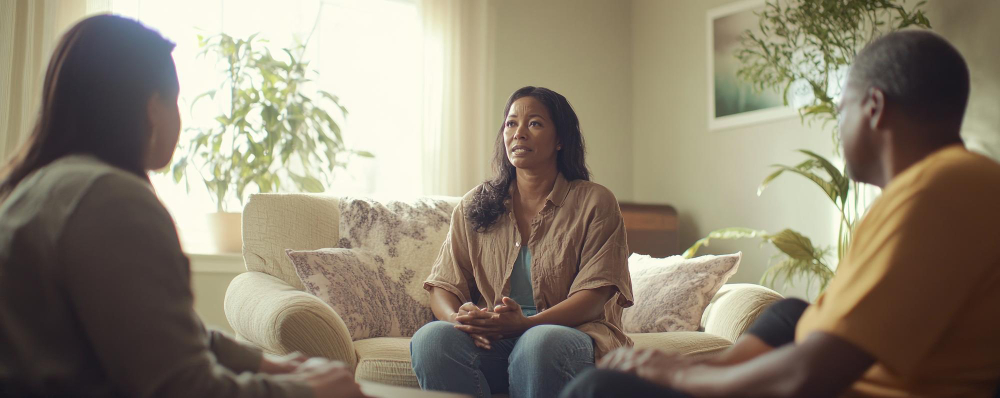
Sometimes words are not enough. When you or your loved one struggles to put pain, grief, or fear into sentences, it can feel like healing is out of reach. Expressive therapy offers another path forward.
Expressive therapy uses creative outlets, such as art, music, dance, drama, and writing, to help people process emotions they cannot easily speak. It works alongside traditional psychotherapy and counseling to support emotional and mental recovery. For many families, it becomes a gentle bridge between feeling stuck and feeling understood.
This approach is especially helpful for children, older adults, and anyone recovering from illness or trauma. You do not need any artistic skill to benefit. The goal is expression, not perfection. And that simple shift can open the door to real, lasting relief.
What Is Expressive Therapy?
Expressive therapy is a form of treatment that combines creative activities with mental health care. A trained provider guides the process, helping you explore feelings through movement, sound, color, or story.
Unlike talk-based counseling alone, this method engages the body and imagination. That matters because trauma and stress are not always stored in words. By creating, you can release what feels trapped inside.
Common forms of expressive therapy include:
- Art therapy: Drawing, painting, or sculpting to express inner experiences when speaking feels too hard.
- Music therapy: Listening, singing, or playing instruments to manage mood, anxiety, and memory.
- Dance and movement therapy: Using physical motion to reconnect the mind and body after illness or grief.
- Drama and writing therapy: Role-play and journaling to safely explore difficult memories and emotions.
If you are unsure where to begin, our behavioral health services team can help you choose the right fit for your situation.
How Is Expressive Therapy Used in Treatment?
Healing rarely follows a straight line. You may feel ready to talk one day and overwhelmed the next. Expressive therapy meets you where you are.
A behavioral health specialist often blends these creative methods with psychotherapy to treat a range of concerns. Together, they create a plan shaped around your needs rather than a one-size-fits-all script.
This kind of care commonly supports people facing:
- Anxiety, depression, and chronic stress
- Grief and loss after the death of a loved one
- Recovery from surgery, injury, or serious illness
- Memory challenges in older adults, including dementia
- Emotional development in children and teens
Who Provides This Care?
A licensed behavioral health specialist guides each session with skill and compassion. These professionals understand that progress takes time, and they adjust the pace to keep you comfortable.
Many families start their journey at a trusted mental health clinic, where counseling and creative therapies work side by side. For tips on supporting a family member through treatment, our guide to mental wellness counseling offers practical, caring advice.
What to Expect at Your First Visit
The first appointment is simply a conversation. Your provider will ask about your history, your goals, and what feels manageable to you. There is no pressure to create anything right away.
From there, you and your care team build a plan together. Whether that plan leans on art, music, or movement, the focus stays on your comfort and recovery.
Begin Your Healing Journey Today
You do not have to carry heavy emotions alone. Expressive therapy, paired with compassionate psychotherapy and counseling, can help you or your loved one feel whole again.
Help is closer than you think. Reach out to our Behavioral Health team today by calling +1-718-367-2555 or visit us at 1797 Pitkin Avenue, Brooklyn, NY 11212 to schedule a caring, confidential appointment and take the first step toward peace of mind.