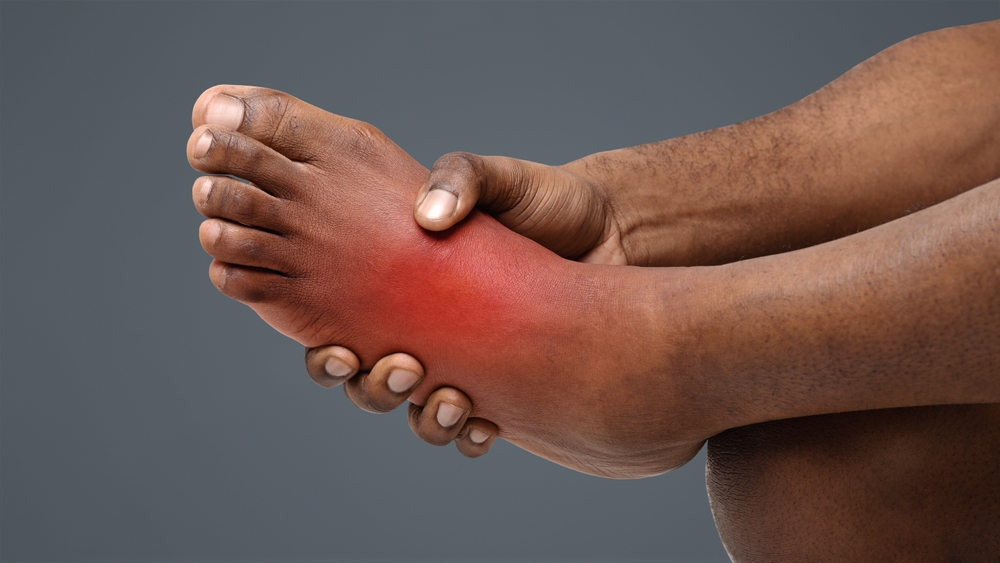
The posterior tibial tendon plays a crucial role in supporting the arch of your foot and enabling you to walk with a stable gait. When this tendon becomes inflamed or torn, it leads to a condition known as posterior tibial tendon dysfunction (PTTD), often resulting in a progressive flatfoot deformity. Understanding the common causes of posterior tibial tendon dysfunction is the first step toward prevention and effective treatment. While a sudden injury can be a catalyst, this condition more frequently develops from cumulative stress over time.
Exploring the causes of posterior tibial tendon dysfunction reveals a mix of overuse, biomechanical flaws, and inherent risk factors. By identifying these triggers, you can take proactive steps to protect your foot health and know when it is time to consult a specialist for an accurate diagnosis and care plan. Get a consultation with the best Podiatrists in Brooklyn.
Overuse and Repetitive Stress
One of the primary causes of posterior tibial tendon dysfunction is simple overuse. The tendon is put under strain with every step you take. For most people, it handles this daily workload without issue. However, participating in certain activities can overload the tendon, leading to micro-tears, inflammation, and eventual degeneration.
High-impact activities are common culprits. These include:
- Running, particularly on uneven surfaces or with improper footwear
- Sports that involve jumping and quick side-to-side movements, like basketball, tennis, or soccer
- Hiking long distances, especially on challenging terrain
Even occupations that require prolonged periods of standing or walking on hard surfaces can contribute to the gradual wear and tear of the posterior tibial tendon. The repetitive strain slowly weakens the tendon until it can no longer adequately support the foot’s arch.
Inherent Risk Factors You Can’t Change
Some individuals are simply more susceptible to developing PTTD due to factors beyond their control. These inherent predispositions can make the tendon more vulnerable to injury even with normal daily activity.
Age and Gender
PTTD is most commonly diagnosed in women over the age of 40. The natural aging process can lead to reduced blood supply to tendons, impairing their ability to repair themselves from daily wear. Hormonal changes may also play a role in altering the tendon’s structure and elasticity, making it more prone to damage.
Pre-existing Foot Structure
Not all feet are created equal. Individuals born with flat feet (pes planus) or other structural abnormalities are at a higher risk. A pre-existing flat foot places increased demand on the posterior tibial tendon, as it must work harder to try and maintain an arch. This constant, elevated strain can accelerate its degeneration.
Contributing Health and Lifestyle Factors
Beyond overuse and inherent risks, several health conditions and lifestyle choices can significantly increase your likelihood of developing PTTD. These factors often create an environment where the tendon is more easily damaged.
Obesity
Carrying excess body weight is a major contributing factor. Every extra pound you carry adds a multiplied force on your feet with each step. This constant, amplified pressure puts enormous strain on the posterior tibial tendon, making it one of the leading causes of posterior tibial tendon dysfunction.
Systemic Diseases
Certain medical conditions can compromise tendon health throughout the body, including in the foot. These include:
- Diabetes: High blood sugar levels can weaken connective tissues and impair blood flow, slowing the healing process.
- Hypertension (High Blood Pressure): This condition can affect blood circulation to the extremities, depriving the tendon of essential nutrients and oxygen.
- Inflammatory Arthritis: Conditions like rheumatoid arthritis can cause direct inflammation and damage to the tendon and its surrounding sheath.
Acute Trauma
While less common than degenerative causes, a direct injury can lead to PTTD. A fall, an ankle fracture, or a severe ankle sprain can cause an acute tear or inflammation of the posterior tibial tendon. If not treated properly, this can initiate the progressive dysfunction that characterizes the condition. An experienced podiatrist can assess the extent of damage after such an injury.
When to Seek Professional Help
Recognizing the symptoms of PTTD is crucial for early intervention. If you experience pain and swelling along the inside of your ankle, notice a flattening of your arch, or have difficulty standing on your toes, it is time to consult a medical professional.
A podiatrist specializes in diagnosing and treating conditions of the foot and ankle. They can perform a thorough physical examination and may use imaging tests like an MRI or ultrasound to confirm the diagnosis and determine the extent of the tendon damage. Finding a reputable podiatry clinic in Brooklyn can provide you with access to advanced diagnostics and a comprehensive treatment plan tailored to your specific needs.
The common causes of posterior tibial tendon dysfunction are multifaceted, ranging from high-impact sports and obesity to your inherent foot structure and underlying health conditions. By understanding these risk factors, you can make informed lifestyle choices to protect your feet, such as maintaining a healthy weight, wearing supportive footwear, and avoiding overexertion.
If you are experiencing symptoms of PTTD, do not ignore them. Early diagnosis and treatment can prevent the condition from progressing to a rigid, painful flatfoot deformity. Contact a department specialist or schedule an appointment at a podiatry clinic in Brooklyn to ensure your feet receive the expert care they need to carry you through life comfortably and safely. At Doral Health & Wellness, we have Podiatrists with extensive education and expertise. Our address is 1797 Pitkin Avenue, New York, NY 11212. To make an appointment, please call + 1 718 367 2555, or register your information and make direct contact with us at https://yuz88hfiyh7.typeform.com/Doralintake or send an email to info@doralhw.org.