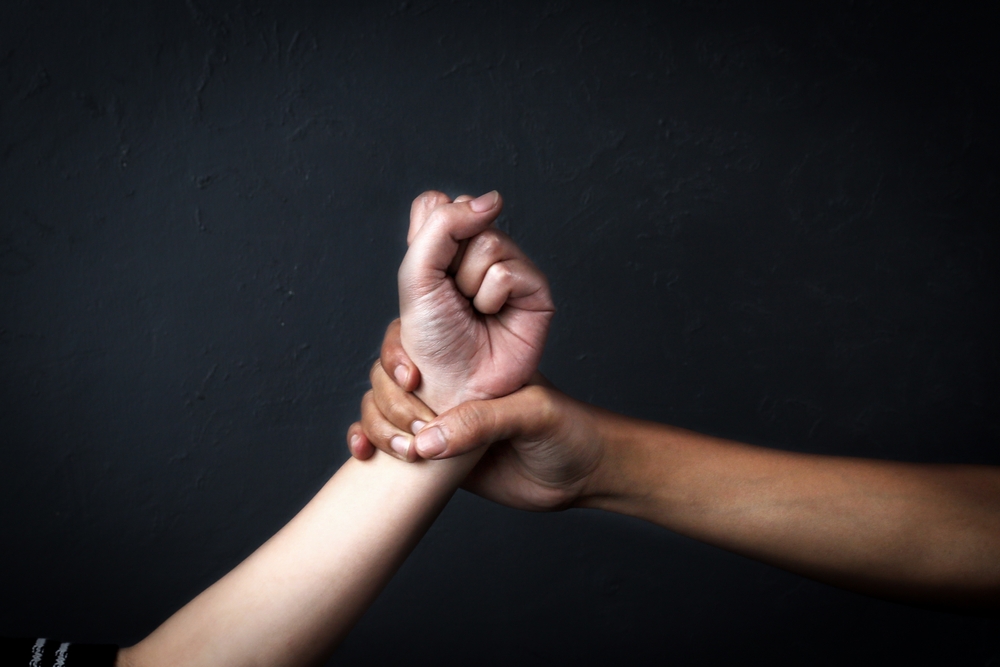
Domestic violence is a hidden crisis that unfolds behind closed doors, affecting individuals from all walks of life. Recognizing the subtle and overt warning signs of domestic abuse is a critical first step toward intervention and can help save lives. Understanding these indicators is not just for those who might be experiencing abuse, but for friends, family, and community members who can offer support. By becoming aware of the red flags and learning about effective ways to stop domestic violence, we can collectively create a network of safety and support for those in need. This knowledge empowers us to act, offering a lifeline to someone who may feel trapped and alone. Visit the best Mental Health Clinic in Brooklyn at Doral Health & Wellness, or log on to www.doralhw.org.
Identifying the Warning Signs of Domestic Abuse
The indicators of domestic abuse are not always as obvious as a black eye or a broken bone. Abusers are often master manipulators, using a range of tactics to exert power and control over their partners. These behaviors can be emotional, psychological, financial, or physical, and they tend to escalate over time. Knowing what to look for is essential for identifying a dangerous situation.
Behavioral and Emotional Red Flags
Emotional and psychological abuse often precedes physical violence. It chips away at a person’s self-esteem, making them easier to control.
- Intense Jealousy and Possessiveness: An abuser may constantly accuse their partner of cheating, monitor their phone calls and messages, or restrict their social interactions.
- Controlling Behavior: This includes dictating what their partner wears, who they can see, where they can go, and how they spend money.
- Constant Criticism and Humiliation: Name-calling, public put-downs, and relentless criticism are tactics used to diminish a person’s self-worth.
- Unpredictable Mood Swings: A partner who is charming one moment and explosively angry the next creates an environment of fear and instability.
- Blaming Others for Their Problems: Abusers often refuse to take responsibility for their actions, blaming their partner or outside circumstances for their anger and failures.
Physical and Observable Indicators
While some signs of abuse are intentionally hidden, others can be observed by those paying close attention.
- Unexplained Injuries: Frequent bruises, cuts, or other injuries that are explained away with clumsy excuses.
- Isolation from Friends and Family: A victim may suddenly withdraw from their social circles, either by choice to hide the abuse or because their partner is forcing them to.
- Changes in Personality: A once-confident, outgoing person may become anxious, withdrawn, or depressed.
- Fear of Their Partner: Observable anxiety or fear when their partner is around, or an obsessive need to please them to avoid conflict.
Concrete Ways to Stop Domestic Violence
Stopping domestic violence requires a multi-faceted approach, involving individual action, community support, and professional intervention. If you or someone you know is in an abusive relationship, taking safe and strategic steps is crucial.
For Individuals Experiencing Abuse
If you are in an abusive situation, your safety is the priority.
- Create a Safety Plan: Identify safe places to go, pack an emergency bag with essential documents and supplies, and establish a code word with trusted friends or family.
- Document Everything: Keep a journal of abusive incidents, save threatening messages, and take pictures of injuries. This can be important if you decide to seek legal protection.
- Reach Out for Help: Confide in a trusted person who will believe and support you. National and local hotlines can provide confidential advice and resources 24/7.
- Seek Professional Support: Healing from the trauma of abuse is a journey. A behavioral health specialist can provide therapy and tools to process the experience and rebuild your life.
How Friends and Family Can Help
If you suspect someone is being abused, how you approach them matters.
- Listen Without Judgment: Create a safe space for them to talk. Believe what they tell you and validate their feelings.
- Offer Specific Help: Instead of a generic “let me know if you need anything,” offer to babysit, provide a safe place to stay, or help them connect with resources.
- Educate Yourself: Learn about the dynamics of domestic violence to better understand why leaving is so complex and dangerous.
- Encourage Professional Help: Gently suggest they speak with a counselor or a behavioral health specialist. If they are in New York, you might mention that a local mental health clinic in Brooklyn could offer accessible, expert care.
The Role of Professional and Community Support
Ending the cycle of domestic violence is a community effort. For survivors, accessing professional help is often a turning point in their recovery. A therapist or counselor can help address the deep psychological wounds, such as PTSD, anxiety, and depression, that result from abuse. For those in New York City, finding a supportive mental health clinic in Brooklyn can be an invaluable step toward healing in a safe and understanding environment.
Breaking the Cycle for a Safer Future
Recognizing the warning signs of domestic abuse and knowing the ways to stop domestic violence are powerful tools for change. Abuse thrives in silence and isolation, but it cannot survive in a community that is educated, vigilant, and supportive. Whether you are seeking help for yourself or for someone you care about, remember that reaching out is a sign of strength. Your actions, no matter how small they seem, can help break the cycle of violence and guide someone toward safety and healing. For further inquiries, call us on +1-718-367-2555 to get a consultation. We have some of the finest doctors psychiatrist who listen to your concerns, examine your symptoms, and create a treatment plan to improve your condition as soon as possible. If you need help learning coping methods, register your information and make direct contact with us at https://yuz88hfiyh7.typeform.com/Doralintake or send an email to info@doralhw.org. You can also visit us at 1797 Pitkin Avenue, Brooklyn, NY 11212.