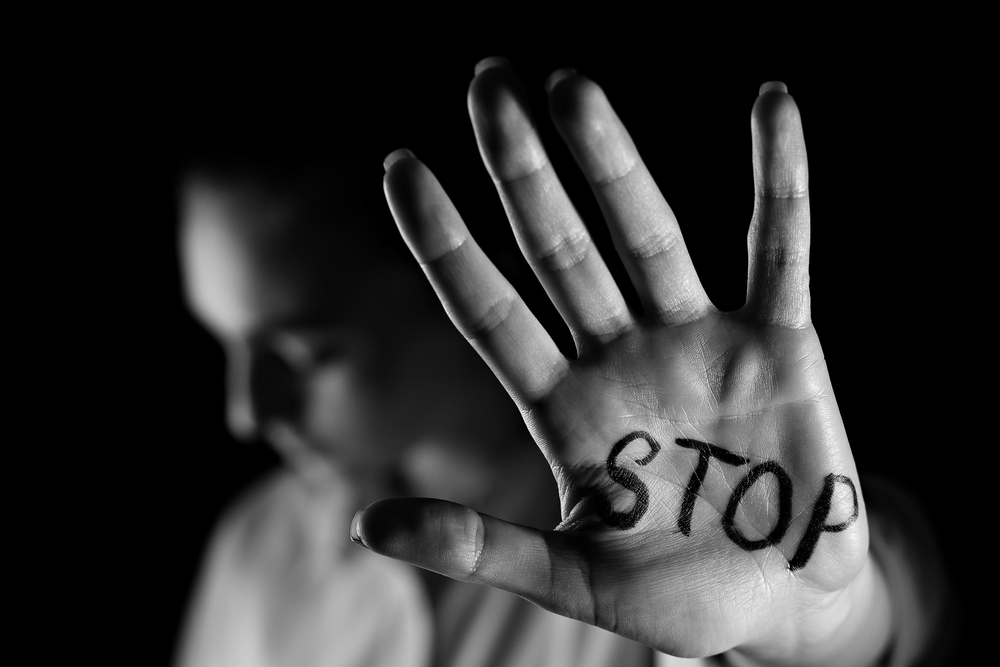
Living in an abusive environment is an isolating and terrifying experience that can leave you feeling powerless. However, knowing how to deal with domestic abuse is the first vital step toward reclaiming your safety and your life. It is not a journey you have to take alone, and there are concrete actions you can take to protect yourself. Whether you are currently in a dangerous relationship or planning to leave, understanding the available resources and ways to stop domestic violence from continuing is essential. This guide outlines practical steps for safety, legal protection, and emotional recovery to help you navigate this difficult time. Visit the best Mental Health Clinic in Brooklyn at Doral Health & Wellness, or log on to www.doralhw.org.
Prioritizing Safety and Immediate Action
When you are in the midst of a crisis, your physical safety is the top priority. Dealing with an abusive partner requires careful planning, as leaving is often the most dangerous time in the relationship. You need a strategy that keeps you safe while you prepare to exit.
Creating a Personalized Safety Plan
A safety plan is a personalized, practical plan that includes ways to remain safe while in a relationship, planning to leave, or after you leave.
- Identify Safe Areas: Know which rooms in your home have exits and no weapons (avoid the kitchen or bathroom if an argument escalates).
- Establish a Code Word: Set up a secret word or phrase with trusted family, friends, or neighbors, so they know to call for help immediately without alerting the abuser.
- Pack an Emergency Bag: Hide a bag with essential items like cash, spare keys, medications, and copies of important documents (ID, birth certificates, social security cards) at a friend’s house.
- Technology Safety: Use a safe computer (library or friend’s house) to research resources. Change passwords and be aware that your phone may be monitored.
Seeking Professional Support and Intervention
Abuse leaves deep emotional scars that are not always visible. While ensuring physical safety is paramount, addressing the psychological impact is equally important for long-term recovery. This is where professional intervention becomes a lifeline.
The Role of Mental Health Professionals
Trauma from domestic violence can lead to anxiety, depression, and PTSD. Consulting a behavioral health specialist can provide you with the coping mechanisms needed to process these complex emotions. These professionals are trained to help survivors understand that abuse is not their fault and to rebuild their self-esteem.
For those located in New York, visiting a mental health clinic in Brooklyn can connect you with community-specific resources. These clinics often offer specialized programs for trauma survivors, providing a safe space to talk and heal. Working with a behavioral health specialist in this setting ensures you receive care that is tailored to your specific experiences and needs.
Practical Ways to Stop Domestic Violence
Breaking the cycle of abuse often requires external help. There are legal and social ways to stop domestic violence that can provide you with protection and hold the abuser accountable.
Legal Protections and Restraining Orders
The legal system offers tools to protect victims.
- Orders of Protection: You can file a restraining order (Order of Protection), which legally prohibits the abuser from contacting you or coming near your home and workplace.
- Documentation: Keep a detailed record of all incidents, including dates, times, and descriptions of the abuse. Photos of injuries and screenshots of threatening messages are crucial evidence.
- Police Intervention: If you are in immediate danger, do not hesitate to call 911. Police reports create an official paper trail that is vital for legal proceedings.
Financial Independence
Financial abuse is a common tactic used to trap victims. Regaining control of your finances is a powerful way to break free.
- Open a Separate Account: If possible, open a bank account in your name only at a different bank than your partner uses.
- Protect Your Credit: Check your credit report to ensure the abuser hasn’t opened up debts in your name.
- Gather Documents: Ensure you have access to tax returns, pay stubs, and bank statements.
Moving Toward Long-Term Recovery
Leaving an abusive relationship is a courageous act, but the journey doesn’t end there. Recovery is a process of rebuilding your life on your own terms.
Rebuilding Your Life
Re-establishing a routine and finding stability takes time. Lean on your support network of friends and family. Continue to utilize professional resources; a mental health clinic in Brooklyn can offer ongoing therapy groups where you can connect with other survivors. Sharing your story with people who understand can be incredibly validating.
If you struggle with the aftermath, remember that a behavioral health specialist is a partner in your recovery, helping you navigate the confusing emotions that arise after leaving. They can assist you in recognizing healthy relationship dynamics moving forward, ensuring you have the tools to stay safe and happy.
Knowing how to deal with domestic abuse involves a combination of safety planning, legal action, and emotional support. It is a difficult path, but it leads to a future free from fear. By utilizing available resources and understanding ways to stop domestic violence, you are taking a stand for your well-being. Whether it is reaching out to a hotline, contacting a lawyer, or walking into a mental health clinic in Brooklyn, every step you take is a victory. You deserve a life defined by safety and respect, not violence. For further inquiries, call us on +1-718-367-2555 to get a consultation. We have some of the finest doctors psychiatrist who listen to your concerns, examine your symptoms, and create a treatment plan to improve your condition as soon as possible. If you need help learning coping methods, register your information and make direct contact with us at https://yuz88hfiyh7.typeform.com/Doralintake or send an email to info@doralhw.org. You can also visit us at 1797 Pitkin Avenue, Brooklyn, NY 11212.