Keeping your joints and bones healthy in the long run is crucial because these are involved in every simple movement of the body and bear your body’s weight. Over time, they deteriorate, and this increases the risk of arthritis. However, with some foods, you can keep your joints and bones healthy in the long run. Learn about the 8 foods that keep your joints and bones healthy in this article. Get a consultation with the best Podiatrists in Brooklyn.
8 foods to keep your joints and bones healthy
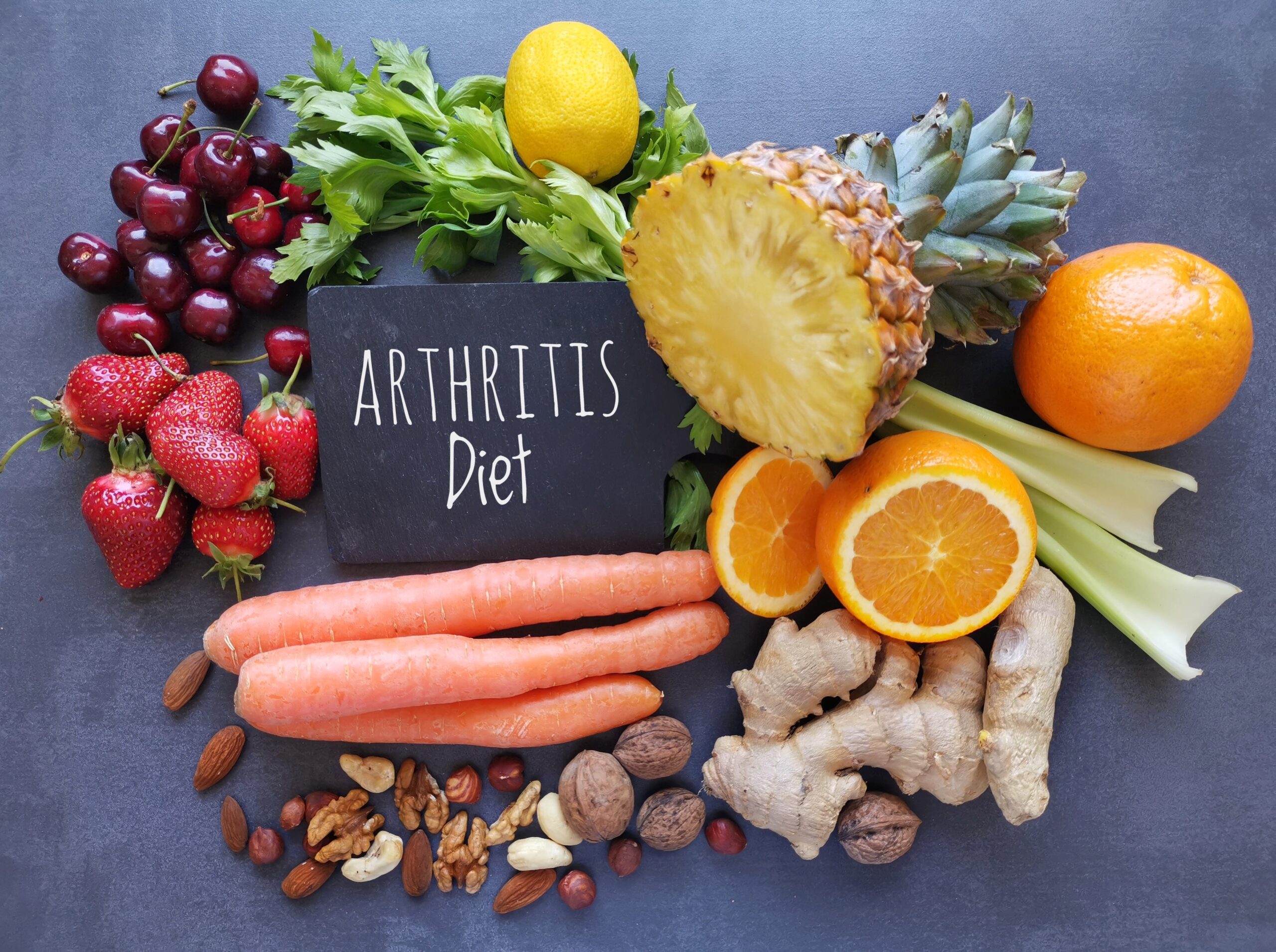
Over time, joints and bones deteriorate, which can lead to arthritis and other problems. However, by consuming these 8 superfoods, you can keep your joints and bones healthy in the long run:
- Fatty fish:
Fatty fish is an excellent source of docosahexaenoic acid (DHA), omega-3 fatty acids, which can be beneficial if you have joint pain caused by inflammatory arthritis. A review of 20 studies found that rheumatoid arthritis symptoms get better when people consume more fish that contain omega-3 fatty acids. This happens because it can lower inflammation in the body. Besides lowering inflammation, it also lowers the risk of diabetes, heart disease, and other health conditions.
You can add fish such as halibut, tuna, salmon, trout, mackerel, herring, whitefish, etc., or a daily fish oil supplement to get your required dose of omega-3 fatty acids. It is also a good source of vitamin D, which is crucial for calcium absorption in the intestines and vital for maintaining bone density. Additionally, it also lowers the risk of bone loss and fractures.
- Cruciferous vegetables:
Cruciferous vegetables like broccoli, Brussels sprouts, cauliflower, and Bok choy contain sulforaphane, a natural compound that blocks the inflammatory process and slows down cartilage damage caused by osteoarthritis. It also blocks enzymes that cause swelling in the joints. Sulforaphane levels decrease when cooked, so eating these vegetables raw is the best choice. Besides sulforaphane, these vegetables also offer many antioxidants, minerals, calcium, and fiber that help in keeping the bones and joints healthy.
- Turmeric:
Turmeric – the bright yellow spice is popular for its anti-inflammatory properties. People have used turmeric to manage painful, swollen joints for millennia. Its pain-relieving ability comes from the compound ‘curcumin’ found in turmeric. Studies reveal that turmeric may lower inflammation and symptoms in people with osteoarthritis. However, curcumin isn’t well used by the body, although consuming it with black pepper, healthy fats like olive oil, or consuming it in a heated dish can improve its absorption. Most studies on its health effects are performed on turmeric supplements, so don’t expect the same results from adding turmeric in recipes as therapeutic doses and supplements, because in supplements, its concentrated form is used, which provides targeted pain relief. You can discuss supplements and dosages you need with your doctor to take advantage of this spice.
- Nuts and seeds:
Nuts and seeds are packed with protein, omega-3 fatty acids, antioxidants, and minerals. Omega-3 fatty acids contain anti-inflammatory properties that reduce inflammation from connective tissue and joints. It also helps in nutrient absorption. One study spanning over 15 years found that people who consumed the most nuts had a 51% lower risk of dying from an inflammatory disease (like rheumatoid arthritis) than those who ate fewer nuts. Another study found that people with low levels of vitamin B6, which is found in most nuts, are more prone to inflammatory markers. You have great options to choose from what nuts and seeds you want to consume during your day, such as almonds, walnuts, pine nuts, flax seeds, chia seeds, pistachios, etc. Make sure they are low or no-salt options.
- Berries:
Many fruits offer powerful antioxidants that lower inflammation in the body, which relieves joint pain. Many types of berries contain strong flavonoids, which produce an inflammatory response in your body. It also has antioxidant and pain-relieving properties. Studies found that it may lower pain and inflammation in people with osteoarthritis and rheumatoid arthritis. Some of the tasty berries are blueberries, raspberries, strawberries, and pomegranates.
- Beans and lentils:
Beans and lentils are popular for their health benefits because they are a great source of protein, fiber, and essential minerals. They contain anthocyanins, a flavonoid that lowers inflammation in the body. Consider eating pinto beans, chickpeas, black beans, soybeans, and lentils to get the magical flavonoid to lower inflammation, along with protein to build muscle.
- Whole grains:
Refined grain proteins can trigger the body’s inflammatory response, while whole grains may counteract it. These grains can lower inflammation and joint pain. Additionally, they are an excellent source of fiber that helps manage weight. Some studies reveal that fiber and fiber-rich foods can reduce blood levels of CRP, a common inflammatory marker. So, start your day with healthy fiber, whole oats, brown rice, rye, barley, and quinoa to keep a healthy weight, along with strong bones and joints.
- Olive oil:
Other oils like peanut oil, vegetable oil, and sunflower oil can increase inflammation levels, whereas olive oil can be the best alternative you can choose because it is packed with healthy fat and oleocanthal, which has the same properties as nonsteroidal anti-inflammatory drugs (NSAIDs) like ibuprofen. It can inhibit the enzymes that the body’s inflammatory process produces and lower pain sensitivity. Choose extra virgin olive oil that goes through less refining and processing, so it retains more nutrients than normal olive oil.
Your diet plays an essential role in keeping your joints and bones healthy. So, make sure you add the above-mentioned foods to your diet to keep your joints and bones healthy in the long run.
If you have any joint or bone pain that doesn’t improve with rest, visit our pain management specialists in the Brooklyn clinic to get professional medical help. Doral Health & Wellness employs Podiatrists with extensive education and expertise. Trauma to the tendons, muscles, and bones of the foot is quite common. It’s not a good idea to put off seeing Foot Doctor Brooklyn until you are in a lot of pain. Our address is 1797 Pitkin Avenue, New York, NY 11212. To make an appointment, please call +1-718-367-2555 or send an email toinfo@doralhw.org.