We understand that paying attention to your body’s signals is a vital part of maintaining your health. Your circulatory system is a complex network responsible for delivering oxygen and nutrients throughout your body, and its proper function is essential for your well-being. Sometimes, the early warning signs of poor circulation can be subtle and easy to dismiss. Recognizing these signs is the first step toward seeking care and diagnosis. A key diagnostic tool your provider may use is an arterial vascular study, a non-invasive test that assesses blood flow. We are here to provide clear, professional information to help you understand these symptoms and the diagnostic process. Get a consultation with the best vascular disease specialists in Brooklyn.
What Are the Early Warning Signs of Poor Circulation?
Poor circulation occurs when blood flow to a specific part of your body is reduced. This can be due to various issues, most commonly a narrowing of the blood vessels. Listening to your body and identifying these symptoms early can lead to timely intervention and better health outcomes. We want to ensure you have the information you need to recognize these important signals.
Here are some common warning signs:
- Tingling and Numbness: A frequent “pins and needles” sensation, especially in your hands and feet, can indicate that not enough blood is reaching your extremities.
- Cold Hands and Feet: While it is normal to have cold hands or feet occasionally, persistent coldness, even when the rest of your body is warm, may be a sign of poor circulation.
- Swelling in the Lower Extremities (Edema): When your circulation slows down, fluid can accumulate in certain parts of your body, most commonly the legs, ankles, and feet, causing swelling.
- Muscle Cramps and Pain: Aching or cramping in your muscles, particularly in the calves, thighs, or hips during activity (a condition called claudication), can signal that your muscles are not receiving enough oxygenated blood.
- Changes in Skin Color: A pale or bluish tint to the skin (cyanosis) in the legs or feet can be a sign that the area is not getting adequate blood flow.
- Slow-Healing Wounds: Sores or injuries on the legs and feet that heal very slowly can be a serious indicator of poor circulation, as sufficient blood flow is necessary for tissue repair.
- Brittle Nails and Hair Loss: The health of your hair and nails depends on a steady supply of nutrients from your blood. A lack of blood flow can lead to dry, brittle nails and hair loss, especially on the legs.
What Is a Vascular Study and How Can It Help?
If you are experiencing any of the symptoms of poor circulation, we understand it can be concerning. Your healthcare provider may recommend vascular studies to get a precise look at your circulatory system. These are safe, painless, and non-invasive tests that provide a clear picture of your blood vessel health. Knowing what a vascular study is can help you feel more prepared and confident in the diagnostic process.
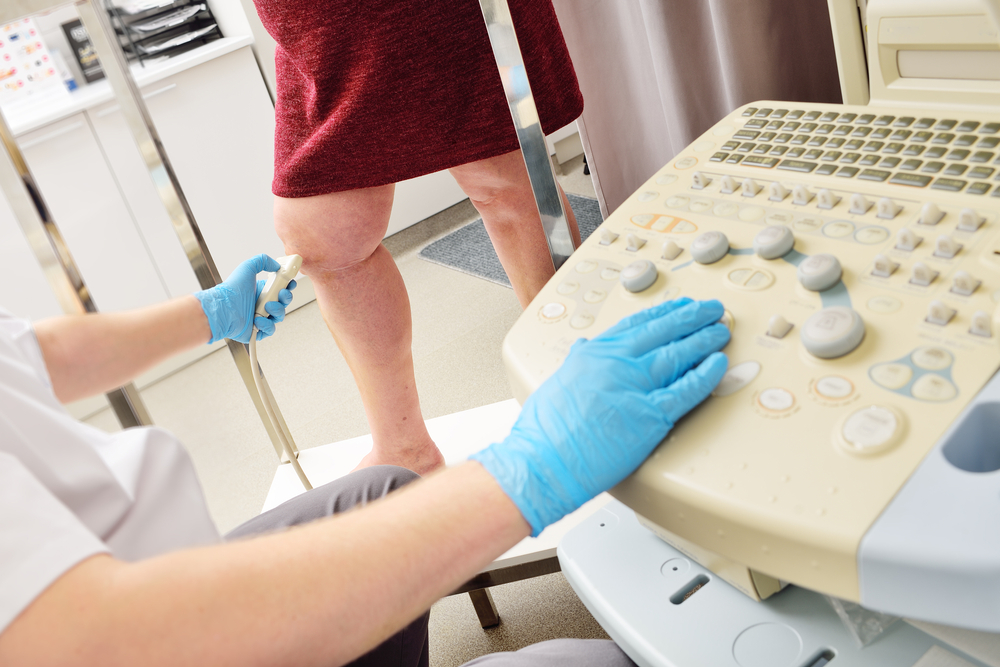
The most common type of diagnostic test is a vascular study ultrasound. This procedure uses high-frequency sound waves to generate real-time images of your arteries and veins. It allows your doctor to see the structure of your blood vessels and measure the speed and direction of your blood flow, identifying any potential blockages or narrowing.
Types of Vascular Studies for Diagnosing Poor Circulation
Based on your specific symptoms, your doctor will determine the most appropriate test to evaluate your condition.
Arterial Vascular Study of the Legs: This is the most common test for diagnosing poor circulation in the lower body. It is crucial for identifying Peripheral Artery Disease (PAD), a frequent cause of leg pain and other circulatory symptoms.
Carotid Vascular Study: This ultrasound focuses on the carotid arteries located in your neck. These arteries supply blood to your brain, and this study is essential for assessing your risk of stroke, especially if you have risk factors for vascular disease.
Doppler Ultrasound: This specific technique is often part of an arterial vascular study. It measures the sound of moving blood cells to help quantify the extent of a blockage or narrowing in a blood vessel.
Common Causes of Poor Circulation
Poor circulation is not a disease in itself but rather a symptom of an underlying health issue. Several conditions can lead to reduced blood flow.
- Peripheral Artery Disease (PAD): This is a leading cause of poor circulation. PAD is a form of vascular disease where plaque builds up in the arteries that supply blood to your limbs, narrowing them and restricting blood flow.
- Atherosclerosis: This is the underlying process of PAD, where arteries throughout the body harden and narrow due to plaque buildup. It can affect arteries leading to the heart, brain, and other organs.
- Diabetes: High blood sugar levels can damage blood vessels over time, impairing circulation, particularly in the legs and feet. This is why regular foot checks are so important for individuals with diabetes.
- Blood Clots: Clots can form in blood vessels and partially or completely block the flow of blood. This can be a medical emergency.
- High Blood Pressure (Hypertension): Over time, high blood pressure can damage the lining of your arteries, making them less flexible and more prone to narrowing.
- Smoking: Tobacco use is a major risk factor for circulatory problems. It damages blood vessels, increases blood pressure, and makes the blood more likely to clot.
Taking Steps Toward Better Circulatory Health
We are committed to empowering you with the knowledge to protect your health. If you recognize any of the warning signs of poor circulation, it is important to speak with a healthcare professional. An early diagnosis can lead to more effective management and help prevent serious complications. Simple lifestyle changes can also have a significant impact on improving your circulation, such as engaging in regular physical activity, eating a balanced diet, and avoiding tobacco.
Your health and peace of mind are our priority. Our team is here to provide the compassionate, professional care you deserve, from initial diagnosis with an arterial vascular study to developing a comprehensive management plan. We encourage you to reach out to our team with any questions or concerns. For any vascular problems, call us on + 1 718 367 2555. The Vascular Disease Specialists at Doral Health & Wellness consistently have outstanding patient satisfaction ratings. The professionals at Doral Health & Wellness Vascular Health Department in Brooklyn can improve your health and quality of life because of their vast training and experience. New Yorkers can get the greatest medical and surgical vascular care at Doral Health & Wellness Brooklyn. If you need help, register your information and make direct contact with our doctors at https://yuz88hfiyh7.typeform.com/Doralintake. Visit us at 1797 Pitkin Avenue, Brooklyn, NY 11212.