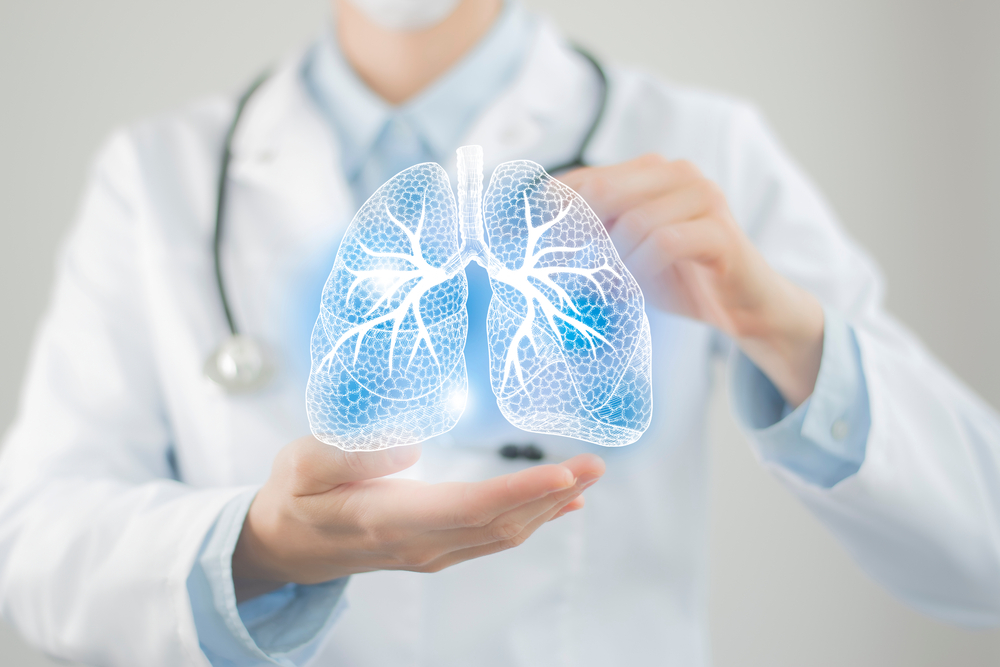
November is Lung Cancer Awareness Month, a crucial time to focus on the leading cause of cancer death worldwide. While this statistic is sobering, the landscape of oncology is rapidly changing. This month, we are highlighting hope and progress by exploring the recent advancements in lung cancer treatments in 2025. The fight against lung cancer is being transformed by groundbreaking research and innovative therapies that are extending and improving lives. Promoting health awareness around these developments is vital, as it empowers patients and their families with knowledge and optimism for the future. Contact the best pulmonologist in Brooklyn by visiting Doral Health and Wellness Pulmonary Center.
The Changing Face of Lung Cancer Treatment
For decades, the mainstays of lung cancer treatment were surgery, chemotherapy, and radiation. While these methods are still important, the approach to treating lung cancer has become far more sophisticated and personalized. The one-size-fits-all model is being replaced by therapies tailored to the specific genetic makeup of a patient’s tumor. This shift has led to more effective treatments with fewer side effects, marking a new era in lung cancer care.
Personalized Medicine: Targeting the Tumor’s DNA
One of the most significant breakthroughs is the use of targeted therapy. Researchers have identified specific genetic mutations within lung cancer cells that drive their growth. Targeted therapy drugs are designed to block these specific drivers, effectively shutting down the cancer’s ability to grow and spread.
Common mutations that can now be targeted include:
- EGFR (Epidermal Growth Factor Receptor): Drugs known as EGFR inhibitors have become a first-line treatment for patients with this mutation, often leading to dramatic tumor shrinkage.
- ALK (Anaplastic Lymphoma Kinase): ALK-positive lung cancer can be treated with highly effective ALK inhibitors.
- ROS1, BRAF, and MET: These are other genetic markers for which targeted therapies have been developed, offering new options for patients with these specific tumor types.
This approach requires comprehensive genomic testing of the tumor tissue to identify any targetable mutations. The results guide oncologists in selecting the most effective treatment for each individual.
Recent Advancements in Lung Cancer Treatments in 2025
The pace of innovation continues to accelerate. As we look at the progress made up to this year, several key developments stand out, offering new hope to patients, including those with advanced-stage disease.
The Rise of Immunotherapy
Immunotherapy has revolutionized the treatment of many cancers, and lung cancer is no exception. Instead of attacking the cancer directly, immunotherapy harnesses the power of the patient’s own immune system to find and destroy cancer cells.
- Checkpoint Inhibitors: These drugs work by releasing the “brakes” on the immune system, allowing it to recognize and attack cancer cells that were previously hiding in plain sight. Drugs targeting PD-1 and PD-L1 pathways have become a standard of care for many patients with non-small cell lung cancer (NSCLC), both as a standalone treatment and in combination with chemotherapy.
- Combination Therapies: Researchers are finding that combining different types of immunotherapy, or pairing immunotherapy with chemotherapy or targeted therapy, can lead to even better outcomes.
Antibody-Drug Conjugates (ADCs)
Antibody-drug conjugates are a powerful new class of cancer treatment. They are often described as “smart bombs” because they link a potent chemotherapy drug directly to an antibody. This antibody is designed to seek out and attach to a specific protein on the surface of cancer cells. Once attached, the ADC is taken inside the cancer cell, where it releases its toxic payload, killing the cancer cell while sparing healthy cells nearby. This targeted delivery system allows for a much higher dose of chemotherapy to be used with fewer systemic side effects.
Liquid Biopsies: A Less Invasive Approach
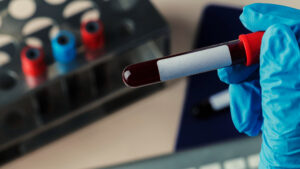
A major challenge in lung cancer treatment has been monitoring how the cancer is responding and detecting when it becomes resistant to therapy. Traditionally, this required an invasive tissue biopsy. Today, liquid biopsies offer a simpler, less invasive alternative. This is a blood test that can detect tiny fragments of tumor DNA (called circulating tumor DNA or ctDNA) in the bloodstream. Liquid biopsies can be used to:
- Identify targetable mutations at diagnosis.
- Monitor treatment effectiveness.
- Detect the emergence of resistance mutations, allowing doctors to switch treatments sooner.
The Role of Health Awareness Programs
Spreading information about these breakthroughs is a core goal of Lung Cancer Awareness Month. Health awareness programs are essential for educating the public about the importance of early detection through screening for high-risk individuals, as well as the advanced treatment options now available. This knowledge empowers patients to have more informed conversations with their healthcare teams and to advocate for the most advanced care possible.
As we recognize Lung Cancer Awareness Month, we celebrate the incredible scientific progress that has been made. The recent advancements in lung cancer treatments in 2025 are a testament to the dedication of researchers, clinicians, and patients. While there is still work to be done, the future for those diagnosed with lung cancer is brighter than ever before. If you or a loved one is facing a lung cancer diagnosis, talk to your doctor about these newer therapies and whether they might be right for you. At Doral Health and Wellness Pulmonary Center, we offer the best possible expertise and care in all aspects of pulmonology. Visit our pulmonologists to have your signs and symptoms checked. To schedule an appointment, you can visit us at 1797 Pitkin Avenue, Brooklyn, New York 11212, or call us at 1-347-384-5690. You can also register your information and make direct contact with us at https://yuz88hfiyh7.typeform.com/Doralintake or send an email to info@doralhw.org.