Staying current with the latest medical advancements is essential for managing diabetes effectively. Each year, organizations like the American Association of Clinical Endocrinologists (AACE) release updated recommendations. Understanding the key takeaways for the AACE Diabetes Guidelines 2025 helps both patients and healthcare providers optimize treatment plans. These guidelines, which often align with or complement the American Diabetes Association guidelines 2025, provide the latest evidence-based approaches to diabetes care. This article breaks down the significant updates, explaining what they mean for individuals managing their condition and how to discuss them with a healthcare professional. At Doral Health & Wellness, we have all the answers you need.
Core Principles of the 2025 AACE Guidelines
The AACE guidelines continue to emphasize a patient-centered approach, focusing on individualized care plans. The 2025 update reinforces the importance of comprehensive management that goes beyond just controlling blood sugar.
A Deeper Focus on Cardiometabolic Health
A major theme in the new guidelines is the aggressive management of cardiovascular and kidney risk factors. Diabetes significantly increases the risk of heart disease, stroke, and kidney failure. The AACE now provides even clearer recommendations for using specific classes of medications, such as SGLT-2 inhibitors and GLP-1 receptor agonists, for their proven cardiorenal benefits, independent of their glucose-lowering effects. This proactive approach aims to protect vital organs and improve long-term outcomes for people with type 2 diabetes.
Personalized Glycemic Targets
The concept of “one size fits all” for blood sugar goals is long gone. The 2025 guidelines stress the need to set A1c targets based on an individual’s specific situation. Factors considered include:
- Age and life expectancy: Older adults may have less stringent goals to avoid hypoglycemia.
- Co-existing health conditions: The presence of heart or kidney disease influences treatment choices.
- Risk of hypoglycemia: A patient’s history of low blood sugar is a critical factor in selecting medications.
- Patient motivation and resources: The ability of a patient to adhere to a complex regimen is also taken into account.
A Diabetologist can help you determine the most appropriate A1c target for your unique health profile.
Key Takeaways for the AACE Diabetes Guidelines 2025 vs. American Diabetes Association Guidelines 2025
While the AACE and the American Diabetes Association (ADA) work toward the same goal, their guidelines can have different points of emphasis. The AACE often provides a more algorithm-based approach favored by specialists.
Technology and Digital Health Integration
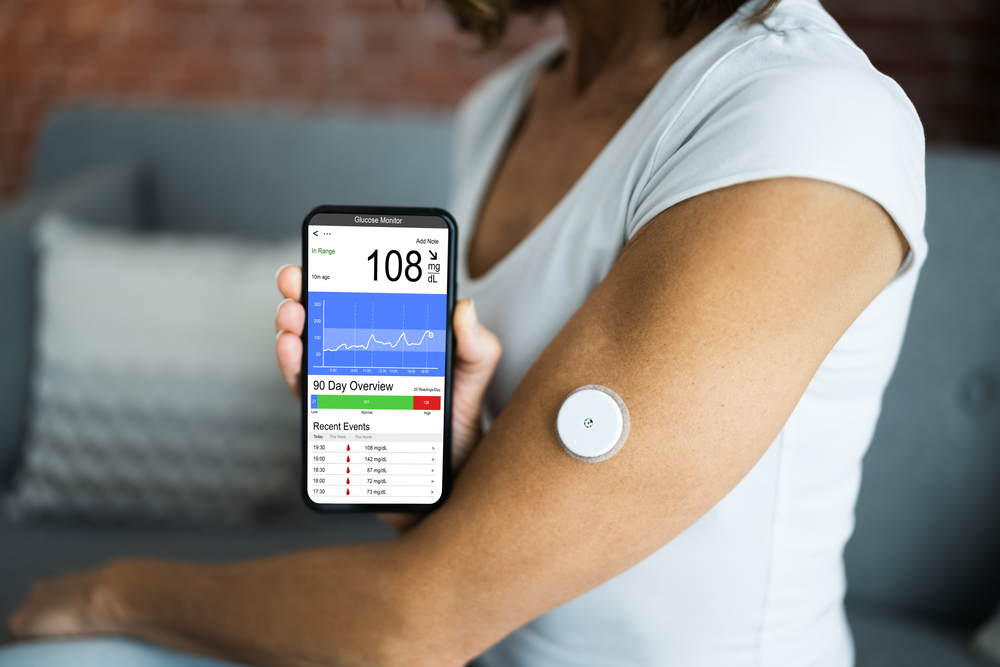
The 2025 AACE guidelines place a strong emphasis on leveraging technology. This includes the expanded use of Continuous Glucose Monitors (CGMs) for a broader range of patients with both type 1 and type 2 diabetes. The data from CGMs offers a more complete picture of glucose fluctuations, allowing for finer adjustments to treatment. The guidelines also highlight the role of telehealth and digital health apps in supporting patient self-management and providing ongoing education.
Updates in Medication Algorithms
The AACE treatment algorithm has been refined to prioritize medications with proven cardiovascular and kidney benefits for at-risk patients. While metformin remains a foundational therapy for many, the new guidelines encourage earlier consideration of SGLT-2 inhibitors and GLP-1 receptor agonists, especially for those with established cardiovascular disease or chronic kidney disease. This reflects a shift from a purely glucose-centric model to a holistic, risk-reduction strategy. Discussing these options with your doctor at a specialized diabetes clinic in Brooklyn can help you understand if your treatment plan should be adjusted.
Practical Steps for Patients
Navigating these updates can feel overwhelming, but they are designed to empower you with better tools for managing your health.
How to Discuss the Guidelines with Your Doctor
Your next appointment is the perfect opportunity to discuss how the 2025 updates might affect your care plan. Here are a few questions to ask:
- Is my current A1c target still appropriate for me based on the new guidelines?
- Could I benefit from using a Continuous Glucose Monitor (CGM)?
- Are my current medications still the best choice, especially considering my heart and kidney health?
- Are there any lifestyle changes recommended in the new guidelines that I should focus on?
Working closely with a Diabetologist ensures your treatment plan is aligned with the most current clinical evidence.
Partnering for Better Health
The key takeaways for the AACE Diabetes Guidelines 2025 highlight a clear move toward more personalized, proactive, and technology-driven diabetes care. By focusing on comprehensive risk reduction and individualized treatment goals, these updates aim to improve not just blood sugar control but overall quality of life and long-term health.
If you are managing diabetes, it is vital to have a healthcare partner who stays on top of these important developments. A knowledgeable provider can translate these complex guidelines into a practical, effective plan for you. If you need expert guidance, consider scheduling a consultation at a leading diabetes clinic in Brooklyn to ensure you are receiving the best care possible. Book your appointment now, call us on + 1-718-367-2555 to get your condition treated! Learn more about Diabetes at www.doralhw.org. and stay up to date on current health topics and new research. If you need help, register your information and make direct contact with us at https://yuz88hfiyh7.typeform.com/Doralintake. Or visit us at 1797 Pitkin Avenue, Brooklyn, NY 11212.