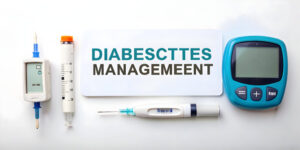
Continuous Glucose Monitoring (CGM) technology has transformed diabetes management, providing real-time data that empowers users to make proactive decisions. While these devices offer incredible benefits, it’s crucial to understand the important safety precautions for continuous glucose monitoring (CGM) to ensure they are used correctly and effectively. A proper understanding of how to set up continuous glucose monitoring (CGM) and operate it safely is fundamental to its success. By following key guidelines, you can maximize the accuracy of your readings, prevent complications, and use the data to improve your health outcomes confidently and safely. At Doral Health & Wellness, we have all the answers you need.
Understanding the Basics: How to Set Up Continuous Glucose Monitoring (CGM)
Before diving into safety precautions, it’s helpful to understand the basic setup. While specific steps vary by brand (e.g., Dexcom, FreeStyle Libre, Medtronic), the general process is similar.
- Choose and Prepare the Site: Select an approved location, usually the back of the upper arm or the abdomen. Clean the area with an alcohol wipe and let it dry completely. Site rotation is critical to prevent skin irritation and scar tissue buildup, which can affect accuracy.
- Insert the Sensor: Use the applicator provided to insert the small sensor filament just under the skin. Most applicators are designed for a quick and minimally painful insertion.
- Attach the Transmitter: If your system has a separate transmitter, attach it to the sensor. This is the component that sends data to your display device.
- Start the Session: Use your reader or smartphone app to start the sensor session. Most CGMs require a warm-up period, which can range from 30 minutes to a few hours, before they begin displaying glucose readings.
Proper training, often provided by a diabetes educator or your diabetologist, is essential for mastering this process.
Important Safety Precautions for Continuous Glucose Monitoring (CGM)
To get the most accurate and reliable information from your device and to avoid potential issues, adhering to safety protocols is non-negotiable.
Trust Your Symptoms, Not Just the Device
This is perhaps the most critical safety rule. CGM technology is advanced, but it is not infallible.
- The “Fingerstick Rule”: If your CGM readings do not match how you feel, always confirm with a traditional fingerstick blood glucose test. For example, if your CGM says your blood sugar is stable but you feel shaky and sweaty (symptoms of a low), trust your body and check with a meter.
- Treatment Decisions: Always base treatment decisions, like taking a dose of insulin, on a fingerstick reading if your symptoms and CGM data conflict. This prevents “stacking” insulin or over-treating a low.
Understand the Lag Time
CGMs measure glucose in the interstitial fluid (the fluid between cells), not directly in the blood. This means there is a natural “lag time” of about 5 to 15 minutes between your blood glucose level and your CGM reading.
- During Rapid Changes: This lag is most noticeable when your blood sugar is changing quickly, such as after a meal or during exercise. Your CGM reading will be behind your actual blood glucose level.
- Proactive Thinking: Use the trend arrows on your CGM to anticipate where your glucose is headed, rather than relying solely on the number itself during these times.
Proper Alarm and Alert Management
CGM alarms are a key safety feature, but they must be set and used correctly to be effective.
- Set Realistic Levels: Work with your doctor or diabetologist to set high and low alert levels that are right for you. Setting them too tight can lead to “alarm fatigue,” where you start ignoring the alerts altogether.
- Don’t Ignore Alarms: Never silence or ignore an urgent low glucose alarm, especially overnight. This feature is designed to prevent severe hypoglycemia.
- Signal Loss Alerts: Pay attention to alerts that indicate a lost connection between the sensor and your reader. This means you are not receiving data and are effectively flying blind.
Medical Procedures and Device Interference
Certain medical environments and devices can interfere with your CGM’s function.
- Imaging Scans: You may need to remove your CGM components before undergoing MRI, CT scans, or other types of medical imaging, as strong magnetic fields can damage the device. Always inform the technician that you are wearing a CGM.
- Airport Security: While you can wear your CGM through standard metal detectors, manufacturers advise against putting the devices through X-ray machines. You can request a hand-wand inspection or a pat-down instead.
Seeking Professional Guidance
While this guide covers essential precautions, personalized advice is invaluable. A comprehensive diabetes clinic in Brooklyn can offer hands-on training and support from certified diabetes educators. These professionals can walk you through how to set up continuous glucose monitoring (CGM) for your specific device and troubleshoot any issues. Regular follow-ups with your care team at a diabetes clinic in Brooklyn ensure your settings and strategies remain optimized for your health.
Continuous glucose monitoring is a powerful tool for managing diabetes, but its effectiveness is directly tied to safe and correct usage. By understanding the setup process, respecting the device’s limitations, and maintaining open communication with your healthcare provider, you can use your CGM with confidence.
Remember the important safety precautions for continuous glucose monitoring (CGM): trust your body, understand the lag time, manage your alarms wisely, and be aware of potential interference. If you have questions or concerns, never hesitate to reach out to your healthcare team for support. Your safety is the top priority on your journey to better diabetes management. If you need help with diabetes management, visit us to get professional medical help. Our diabetologists create personalized treatment plans to ensure that you lead a fulfilling life. Book your appointment now, call us on + 1-718-367-2555 to get your condition treated! Learn more about Diabetes at www.doralhw.org. and stay up to date on current health topics and new research. If you need help, register your information and make direct contact with us at https://yuz88hfiyh7.typeform.com/Doralintake. Or visit us at 1797 Pitkin Avenue, Brooklyn, NY 11212.