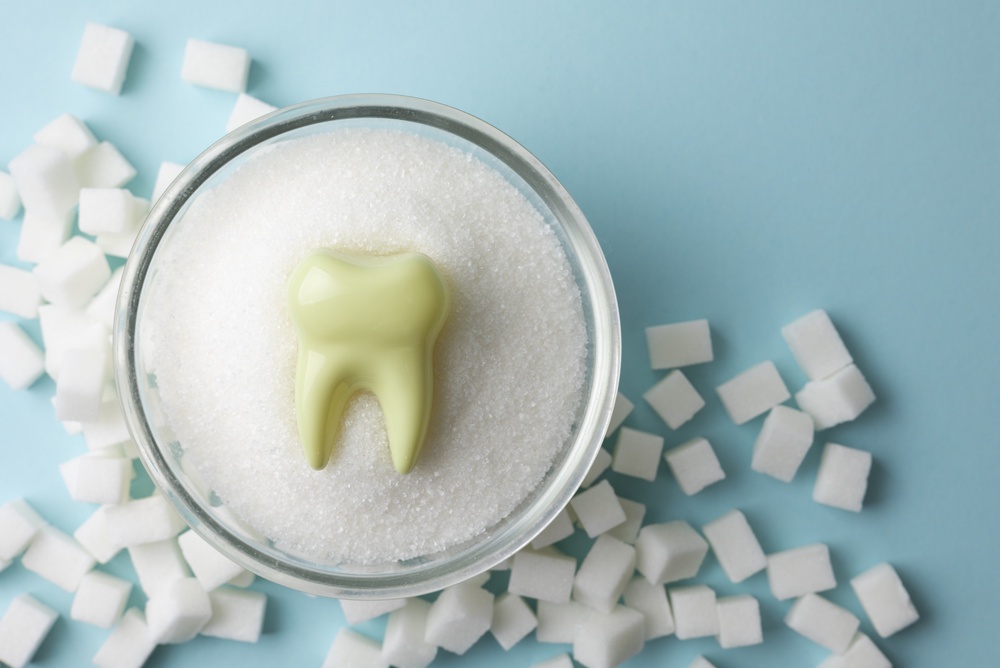
Diabetes and gum disease affect each other in both directions. High blood sugar makes it easier for gum infections to take hold, and untreated gum disease can make blood sugar harder to control. Watching for warning signs and keeping up with daily oral care and dental visits can protect both your smile and your overall health.
If you or your loved one is living with diabetes, you already know how much attention blood sugar demands. What many families do not realize is that the mouth is quietly part of that same conversation. Gum disease is not just a dental concern; it is connected to how well blood sugar stays in range, and that connection runs both ways.
This matters most during November, which is American Diabetes Month, a time when care teams encourage patients to look closely at every part of their health, including the parts that are easy to overlook. Understanding how diabetes, gum disease, and blood sugar interact gives you one more tool for protecting your long-term health, or the health of someone you are caring for.
The Connection Between Blood Sugar and Oral Health
Your mouth responds to changes in blood sugar just like the rest of your body does. When glucose levels run high, bacteria in dental plaque have more fuel to grow, and the body’s natural defenses against infection do not work as efficiently. Diabetes can also reduce saliva production, leaving the mouth dry. Saliva normally helps wash away food particles and neutralize acids, so less of it means a higher risk of both cavities and gum irritation. Healing also tends to slow down, which means even small irritations in the gums can take longer to resolve.
How Diabetes Makes Gum Disease Worse
For someone managing diabetes, gum disease does not always progress the same way it would for someone without the condition. It can move faster and hit harder, and that is worth taking seriously.
Why Elevated Blood Glucose Fuels Inflammation
When blood glucose stays elevated, it feeds the bacteria that cause gum infections while also intensifying the body’s inflammatory response. This combination can turn early gum irritation, known as gingivitis, into a more serious condition called periodontitis more quickly than it might otherwise. Periodontitis affects the deeper tissue and bone supporting the teeth, and unlike gingivitis, it is not something that reverses on its own with better brushing habits.
How Gum Disease Affects Blood Sugar Control
The relationship works in the other direction too. Severe gum disease creates ongoing inflammation throughout the body, and that inflammation can make it harder to keep blood sugar within your target range. In other words, an infection in the gums does not stay contained to the mouth. Treating gum disease promptly is one practical way to support the rest of your diabetes management plan.
Signs of Gum Disease People With Diabetes Should Watch For
You know your body, or your loved one’s, better than anyone. These are the signs worth paying attention to:
- Red, swollen, or tender gums
- Bleeding when you brush or floss
- Persistent bad breath or a bad taste that will not go away
- Gums that appear to be pulling away from the teeth
- Loose teeth or a noticeable change in your bite
- Pus between the teeth and gums
- Dry mouth that does not improve with water
- Sores or white patches that heal slowly
How to Protect Your Oral Health When You Have Diabetes
You do not have to manage this alone, and small daily habits make a real difference:
- Keep blood sugar in your target range, as set with your care provider, since stable glucose levels support healthier gums.
- Brush twice daily with fluoride toothpaste.
- Clean between your teeth daily using floss or another interdental tool.
- Keep up with regular dental checkups and let your dentist know about your diabetes diagnosis and any medications you take.
- Avoid smoking, which raises the risk of gum disease significantly.
- Clean dentures daily if you wear them.
- Stay hydrated to help manage dry mouth.
- Report new symptoms early rather than waiting to see if they improve on their own.
Taking the Next Step for Your Health
Diabetes and gum disease are connected in ways that can feel overwhelming to track on your own. You do not have to sort through every symptom by yourself. A care team that understands both conditions can help you spot warning signs early and build a plan that fits your life.
Our care team is here to help you understand your symptoms and connect you with the right care. Reach out today by calling +1-718-367-2555 or visiting us at 1797 Pitkin Avenue, Brooklyn, NY 11212 to schedule an evaluation and take a meaningful step toward protecting your oral health.