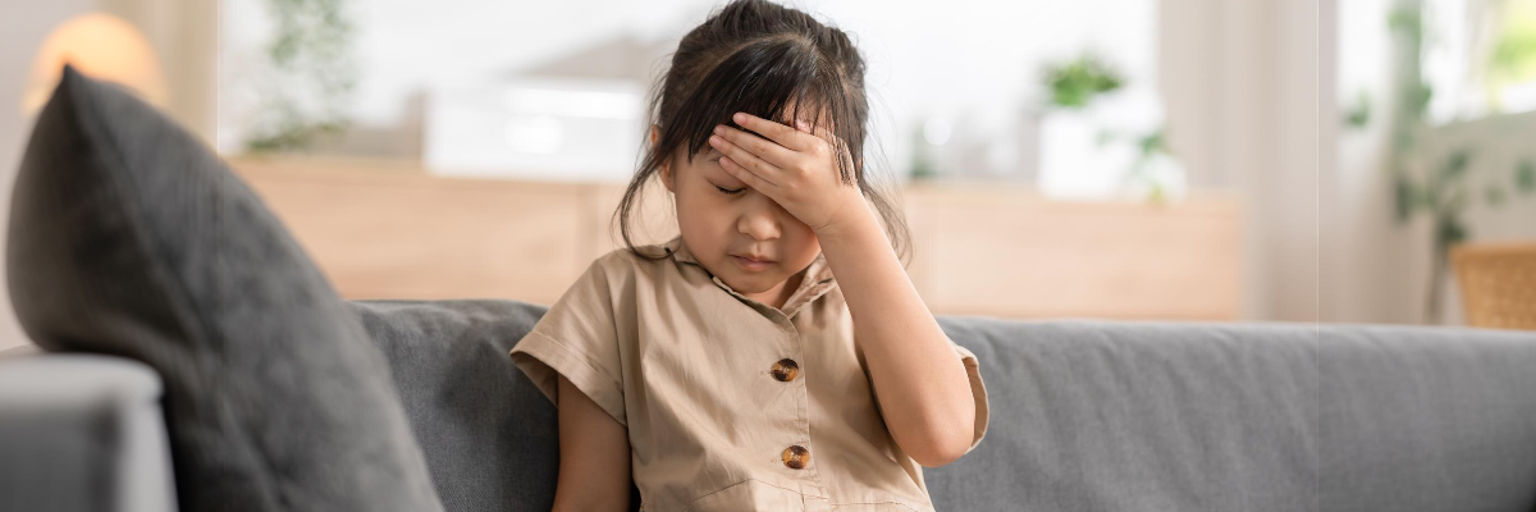
It is heartbreaking to see your child in pain, especially when they are clutching their head and asking for the lights to be turned off. While we often associate headaches with the stress of adult life, headaches in children are surprisingly common. By high school, most children will have experienced at least one significant headache. While many are mild and fleeting, caused by dehydration or a minor illness, others can be severe and recurrent. Understanding the difference between a simple tension headache and pediatric migraine symptoms is crucial for parents. Knowing when to offer a glass of water and when to seek child headache treatment can save your little one from unnecessary suffering. This guide is designed to help you navigate the causes, symptoms, and solutions for your child’s head pain.
If your child is experiencing frequent or severe headaches, do not navigate this alone. The expert team at Doral Health & Wellness specializes in pediatric care and can help identify the root cause of your child’s discomfort. We are dedicated to providing the comprehensive support your family needs to get back to happy, pain-free days.
Understanding Types of Headaches in Children
Not all headaches are created equal. Just like adults, children can experience different types of head pain, each with its own set of triggers and treatments. Identifying the type is the first step toward finding relief.
Tension Headaches
These are the most common type of headaches in children. They often feel like a tight band squeezing the head.
- Symptoms – A dull, steady pain on both sides of the head or neck.
- Causes – Stress, anxiety, poor posture, or skipping meals can trigger these.
- Duration – They can last from 30 minutes to several days but usually don’t cause nausea or vomiting.
Migraines
Migraines are intense and can be debilitating. They are different from regular headaches and often run in families.
- Pediatric Migraine Symptoms – Look for throbbing or pounding pain, usually on one side of the head (though it can be on both). Nausea, vomiting, and sensitivity to light and sound are common.
- Auras – Some children see flashing lights, spots, or zigzag lines before the pain starts.
- Behavior – Your child might want to lie down in a dark, quiet room and sleep.
Cluster Headaches
These are rare in children under 10 but can occur in teenagers.
- Pattern – They happen in groups or “clusters,” occurring daily for weeks or months.
- Pain – Sharp, stabbing pain on one side of the head, often behind one eye.
- Associated Signs – The affected eye might tear up, or the nose might run on that side.
If you are unsure what type of headache your child has, searching for a “pediatrician near me” can connect you with a professional who can provide a proper diagnosis.
Common Triggers and Causes
Headaches rarely happen without a reason. Often, they are the body’s way of signaling that something else is wrong. Identifying these triggers is a key part of child headache treatment.
Lifestyle Factors
- Dehydration – Not drinking enough water is a leading cause of headaches.
- Sleep Issues – Too little sleep, or even too much, can trigger pain.
- Diet – Skipping meals or eating foods with nitrates (like hot dogs) or caffeine can be culprits.
- Stress – Problems at school or home can manifest physically as head pain.
Illness and Infection
Common illnesses like the flu, colds, or ear infections often come with headaches. Sinus infections can cause pressure and pain in the face and forehead. If your child has a fever along with a headache, it’s often a sign of an infection fighting back.
Vision Problems
While less common than parents think, uncorrected vision issues can cause headaches. If your child squints to see the board at school or strains while reading, eye strain might be to blame. A visit to a “pedia doctor near me” can help determine if a vision referral is needed.
Effective Child Headache Treatment Options
Most headaches can be managed at home with simple remedies. However, chronic issues may require a more structured treatment plan.
Home Remedies
- Rest – Have your child lie down in a cool, dark, quiet room. Sleep is often the best medicine for migraines.
- Hydration – Offer water or an electrolyte drink immediately.
- Cold Compress – Placing a cool, damp cloth on the forehead can numb the pain.
- Snack – If they haven’t eaten in a while, a healthy snack like a piece of fruit or cheese can help stabilize blood sugar.
Medications
- Over-the-Counter (OTC) – Acetaminophen (Tylenol) or ibuprofen (Advil, Motrin) are effective for most headaches. Always follow the dosage instructions for your child’s age and weight.
- Prescription – For severe migraines, a doctor might prescribe specific medications called triptans.
If OTC medications aren’t working or you find yourself using them more than twice a week, it is time to seek “pedia care in NY” for a more sustainable solution. Overusing pain medication can actually lead to “rebound headaches,” creating a cycle of pain.
When to Worry: Red Flags
While most headaches are harmless, some can signal a serious underlying condition. Knowing the red flags can help you decide when to seek emergency care or an urgent appointment with a “Brooklyn pediatrician.”
Seek medical attention immediately if your child has:
- Sudden, Severe Pain – A headache that comes on instantly and feels like “the worst headache of their life.”
- Neurological Changes – Trouble speaking, vision loss, weakness in an arm or leg, or loss of balance.
- Morning Vomiting – Waking up with a headache and vomiting without nausea.
- Stiff Neck – A headache accompanied by a fever and a stiff neck could be a sign of meningitis.
- Head Injury – Any headache that follows a blow to the head needs evaluation.
Prevention Strategies
Preventing a headache is always better than treating one. Establishing healthy habits can significantly reduce the frequency of headaches in children.
Hydration and Nutrition
Encourage your child to drink water throughout the day. Send a water bottle to school with them. ensure they don’t skip breakfast and have regular, balanced meals.
Sleep Hygiene
Set a consistent bedtime and wake-up time, even on weekends. Remove screens from the bedroom at least an hour before sleep to ensure high-quality rest.
Stress Management
Talk to your child about what is happening in their life. If school or social pressure is stressing them out, help them find coping mechanisms. Breathing exercises and mindfulness can be great tools for kids.
Keeping a Headache Diary
If your child suffers frequently, keep a log. Note when the headache started, what they ate beforehand, how much they slept, and what the weather was like. This diary can be invaluable when you visit a “pedia doctor near me,” as it helps the doctor spot patterns and identify specific triggers.
The Role of Your Pediatrician
Your pediatrician is your partner in managing your child’s health. They can rule out serious conditions and help you develop a tailored plan for child headache treatment. Whether it involves lifestyle changes, medication, or referrals to specialists like neurologists or ophthalmologists, a “Brooklyn pediatrician” coordinates the care your child needs.
Regular check-ups allow the doctor to monitor your child’s growth and blood pressure, which can sometimes be related to headaches. If you are looking for comprehensive “pedia care in NY,” choose a provider who listens to your concerns and takes your child’s pain seriously.
Headaches in children can be disruptive, affecting school performance and playtime. However, with the right knowledge and support, they are manageable. By recognizing pediatric migraine symptoms early and maintaining a healthy lifestyle, you can help your child live a happier, pain-free life.
If your child is struggling with recurrent headaches or if you have concerns about their neurological health, don’t wait to seek help. The compassionate team at Doral Health & Wellness is here to provide expert evaluation and care. Don’t hesitate to contact Doral Health & Wellness today at 1-718-365-2555 or visit us at 1797 Pitkin Avenue, Brooklyn, New York 11212.
For general information about Doral Health & Wellness services, you can contact or email info@doralhw.org.