Burning metatarsal pain after an NYC subway commute is usually caused by metatarsalgia, an inflammation in the ball of the foot triggered by hard pavement, subway platforms, and long stretches of standing or walking. Supportive shoes, metatarsal pads, rest, and icing often bring relief, but pain lasting more than two weeks should be evaluated by a podiatrist.
You know the feeling. You step off the train after a long day, and the ball of your foot feels like it is on fire. That burning sensation is not just fatigue. It is your body telling you something is wrong, and it deserves attention.
Living in New York City means walking farther and standing longer than most people realize. Between platform waits, stair climbs, and the sprint to catch a closing door, your feet absorb a lot of impact. When that impact concentrates in the ball of your foot, burning metatarsal pain is often the result.
What Causes Burning Metatarsal Pain During an NYC Subway Commute?
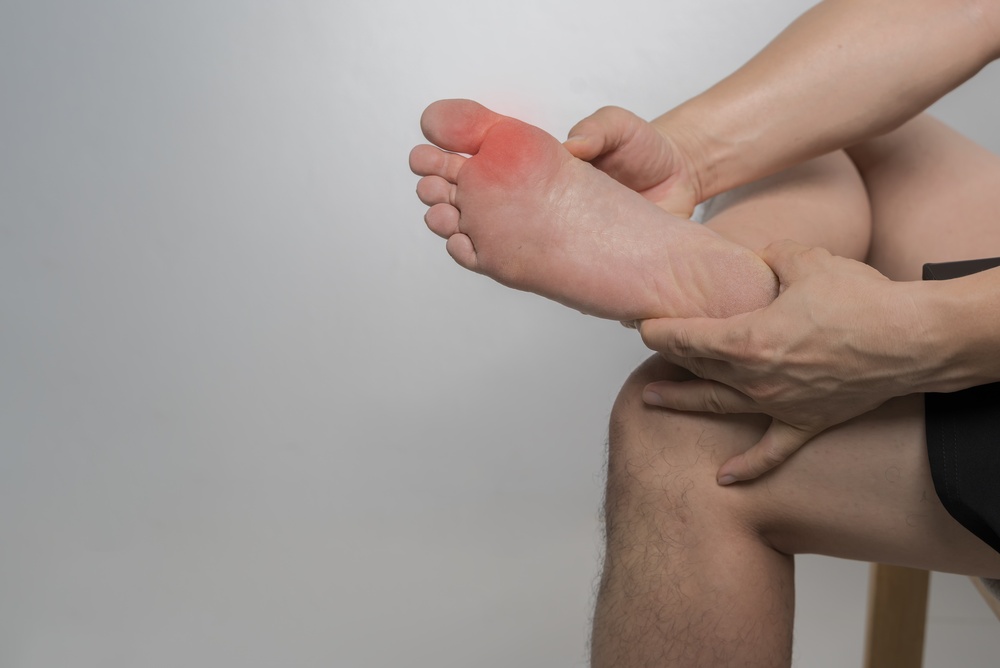
Metatarsalgia is the medical term for pain and inflammation in the metatarsal bones, the long bones that connect your toes to the rest of your foot. This condition develops when repeated pressure on the ball of the foot irritates the surrounding tissue.
Why Does City Commuting Trigger This Kind of Foot Pain?
Subway platforms and station floors are made of unforgiving concrete and tile. Unlike softer surfaces, they offer no shock absorption, so every step sends force directly into the ball of your foot. Add in rushed walking, tight or worn-out shoes, and long periods of standing on crowded trains, and you have a recipe for metatarsalgia.
Your commute may also involve stairs, uneven pavement, or sudden stops. Each of these adds extra strain to the same small area of your foot, which is why burning metatarsal pain tends to build gradually rather than appear overnight.
How to Relieve Burning Metatarsal Pain After Your Commute
Relief starts with reducing pressure on the ball of your foot and giving inflamed tissue time to calm down.
- Rest and elevate. Give your feet a break from standing or walking as soon as you can. Elevating your feet helps reduce swelling.
- Ice the area. Apply ice for 15 to 20 minutes to calm inflammation after a long day of walking.
- Use metatarsal pads. These small cushions sit just behind the ball of the foot and help redistribute pressure away from sensitive areas.
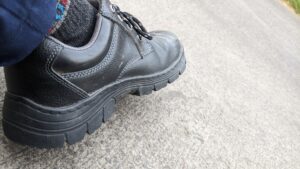
- Choose supportive shoes. Look for cushioned soles and a wide toe box. Avoid thin-soled flats or narrow dress shoes during your commute.
- Stretch your feet and calves. Gentle stretching in the morning and evening can ease tension that contributes to foot pain from walking.
Small adjustments to your daily routine can make a real difference in how your feet feel by the time you get home.
When Should You See a Podiatrist for Metatarsalgia?
Home care resolves many mild cases, but persistent pain is a signal worth listening to. If burning metatarsal pain lasts more than two weeks, worsens with activity, or keeps you from walking comfortably, it is time to talk to a professional.
A podiatrist can determine whether metatarsalgia, a stress fracture, or another condition is behind your pain. From there, treatment options may include custom orthotics, targeted physical therapy, or footwear recommendations suited to your specific commute and lifestyle.
Find Relief with Experts
You do not have to accept burning metatarsal pain as the price of your daily commute. Our podiatry team understands the toll that city walking and standing take on your feet, and we are here to help you find lasting relief. Reach out today by calling us at +1-718-367-2555 or walking into our clinic at 1797 Pitkin Avenue, Brooklyn, NY 11212 to schedule an evaluation and take the first step toward a more comfortable commute.