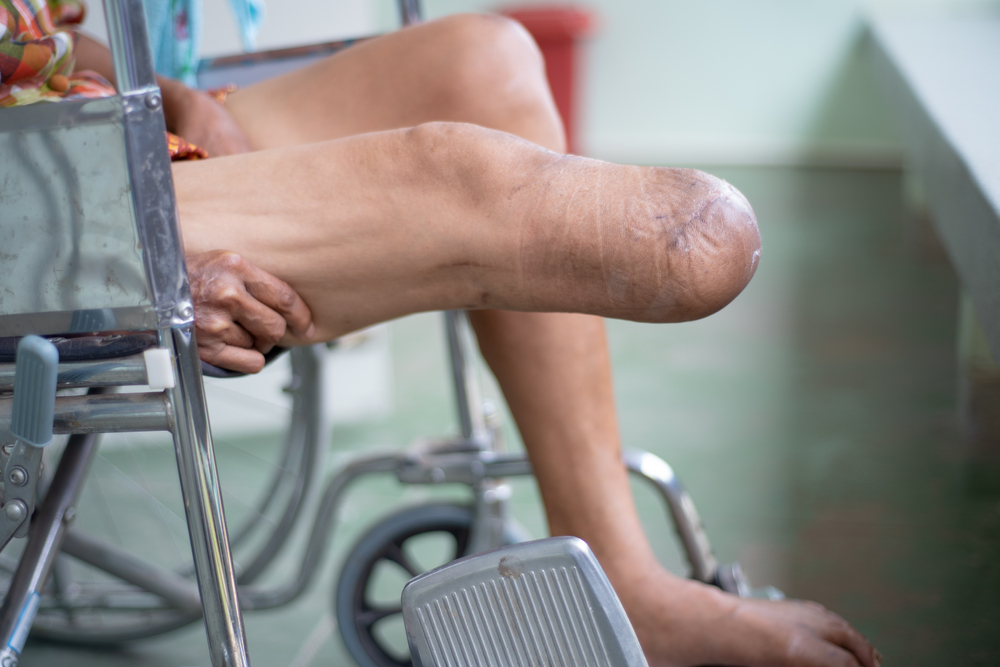
Daily supervised walking helps prevent PAD amputations by improving blood flow, encouraging the growth of new blood vessels around blocked arteries, and catching warning signs early. Guided by a healthcare team, this simple, low-cost approach strengthens leg muscles and reduces symptoms, often helping patients avoid surgery altogether.
You notice your leg cramps every time you walk to the mailbox. Maybe a sore on your foot just will not heal. These signs are easy to dismiss, but for someone living with peripheral artery disease, or PAD, they matter. Understanding how daily supervised walking can prevent PAD amputations gives you a real, actionable way to protect your legs and your independence.
This approach is not complicated, and it does not require expensive equipment. It requires consistency, guidance, and a little encouragement, all things a dedicated care team can provide.
What Is Peripheral Artery Disease and Why Does Walking Matter?
PAD develops when plaque narrows the arteries carrying blood to your legs and feet. Less blood flow means less oxygen reaching your muscles, which causes pain, cramping, and slow healing.
Walking might sound like the last thing you want to do when your legs already hurt. But according to the American Heart Association, structured exercise is one of the most effective treatments for PAD symptoms. Movement encourages your body to build new pathways for blood flow, even around narrowed arteries.
How Daily Supervised Walking Can Prevent PAD Amputations
Building Collateral Circulation
When you walk regularly under supervision, your body responds by forming small new blood vessels called collateral circulation. These vessels reroute blood around blockages, delivering oxygen to tissue that would otherwise struggle to heal.
Over time, this process can reduce pain, improve walking distance, and lower the risk of the severe tissue damage that leads to amputation.
What a Supervised Walking Program Looks Like
A supervised program is different from simply walking on your own. It typically includes:
- Guided sessions: A healthcare professional monitors your pace, distance, and pain levels.
- Gradual progression: Walking time increases slowly as your circulation improves.
- Symptom tracking: Any new sores, color changes, or worsening pain are caught early.
- Personalized pacing: Your plan adjusts to your abilities, not a generic schedule.
This structure keeps you safe while giving your legs the steady stimulation they need to build new circulation.
Why Peripheral Artery Disease Month Matters for Health Awareness
Peripheral Artery Disease Month exists because too many people ignore leg pain until complications set in. Health awareness campaigns during this month encourage families to ask questions instead of assuming discomfort is simply part of getting older.
Health awareness efforts like these save limbs. According to the Mayo Clinic, early PAD treatment, including supervised exercise, often prevents the advanced disease that leads to amputation.
Warning Signs You Should Not Ignore
Reach out to a healthcare provider if you or your loved one notices:
- Leg cramping during activity that eases with rest
- Cold feet or toes, especially compared to the rest of your body
- Wounds that heal slowly on your feet or legs
- Numbness or weakness in your legs
Take the First Step Toward Protecting Your Legs
You do not have to manage PAD symptoms alone, and you do not have to guess whether walking is safe for you. Our care team can build a supervised walking plan suited to your needs and monitor your progress along the way. Reach out today by calling +1-718-367-2555 or visiting us at 1797 Pitkin Avenue, Brooklyn, NY 1121 to schedule an evaluation and take a meaningful step toward protecting your legs and your independence.