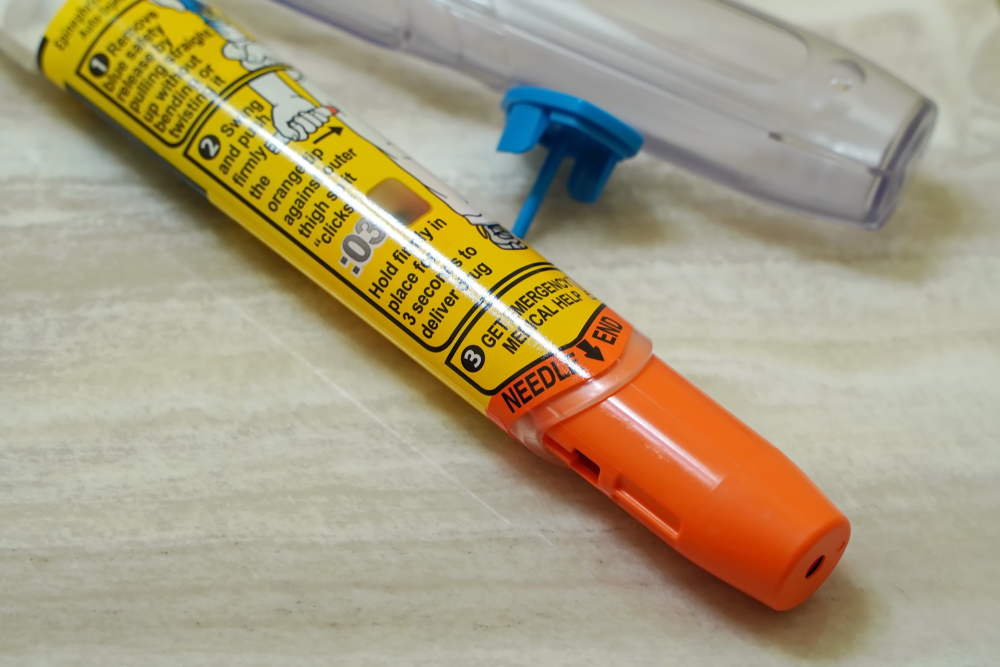
The EpiPen protocol calls for immediate injection into the outer thigh at the first sign of anaphylaxis, followed by an emergency room visit even if symptoms improve. Knowing how to respond to rapidly developing anaphylaxis can mean the difference between a frightening moment and a life-threatening one. An allergist can help you build a personalized action plan before an emergency happens.
Watching a loved one’s throat tighten, or their skin break out in hives within minutes can be terrifying. Anaphylaxis moves fast, and knowing exactly what to do in that moment matters more than almost anything else. This guide walks you through the EpiPen protocol step by step, explains how to respond to rapidly developing anaphylaxis, and covers when it makes sense to bring in an allergist for long-term support. You are not meant to navigate this alone, and having a clear plan in hand can restore a sense of control during a frightening situation.
What Is the EpiPen Protocol?
The EpiPen protocol is a set of steps designed to treat severe allergic reactions before they become life-threatening. Epinephrine works by relaxing airway muscles and improving blood flow, reversing the effects of anaphylaxis within minutes.
When Should You Use an EpiPen?
You should use an EpiPen the moment you notice signs of a serious allergic reaction. Waiting to see if symptoms pass can put your loved one at serious risk. Common signs include:
- Difficulty breathing or swallowing: This may signal that airways are narrowing.
- Swelling of the face, lips, or throat: Swelling can progress quickly and block airflow.
- Widespread hives or flushing: Skin reactions often appear alongside other symptoms.
- Dizziness or a sudden drop in blood pressure: This can lead to fainting if untreated.
How Do You Respond to Rapidly Developing Anaphylaxis?
Responding to rapidly developing anaphylaxis starts with acting fast and staying calm. Every second counts, and following a clear sequence helps you avoid hesitation.
What Are the Steps to Follow During an Emergency?
- Administer the EpiPen immediately. Inject into the outer thigh, through clothing if needed, and hold for several seconds.
- Call 911 right away. Epinephrine buys time, but professional medical care is still necessary.
- Lay the person down and elevate their legs. This helps maintain blood flow, unless they are having trouble breathing.
- Watch for a second wave of symptoms. Anaphylaxis can return, so a second dose may be needed if help has not arrived within five to fifteen minutes.
- Go to the emergency room even if symptoms improve. Reactions can resurface hours later.
Why Should You See an Allergist After an Anaphylactic Reaction?
Once the emergency has passed, understanding the underlying cause becomes the next priority. An allergist can identify your specific triggers and help prevent future reactions before they start.
What Should You Expect at an Immunology Clinic in Brooklyn?
A visit to an immunology clinic in Brooklyn typically begins with a detailed review of the reaction, including timing, exposure, and symptoms. Your allergist may recommend skin or blood testing to pinpoint the exact allergen involved. From there, your care team at the immunology clinic in Brooklyn can help you build a personalized action plan, including guidance on carrying and using an EpiPen with confidence.
Your Next Step Toward Confidence and Safety
Facing a severe allergic reaction is frightening, but you do not have to face it without a plan. Our Allergy team works with patients and families across Brooklyn to identify allergy triggers and build clear, personalized action plans built around the EpiPen protocol. Reach out to us today by calling +1-718-367-2555 or visiting us at 1797 Pitkin Avenue, Brooklyn, NY 1121 to schedule a consultation and gain the confidence to handle whatever comes next.