A transradial cardiac catheter is inserted through an artery in the wrist rather than the groin, giving your cardiologist a clear path to the heart with far less risk of bleeding. Because the radial artery is smaller, closer to the skin, and easier to compress after the procedure, wrist access leads to fewer complications, shorter recovery times, and greater comfort for patients and their families.
Facing a cardiac catheterization can feel overwhelming, especially when you are trying to support a loved one through it. One of the most reassuring advances in recent years is the shift toward wrist access instead of the traditional groin approach. Understanding why wrist access reduces bleeding risks can help ease some of that uncertainty before the procedure even begins.
This guide walks you through what a transradial cardiac catheter is, why your cardiologist may recommend it, and what you and your family can expect along the way.
What Is a Transradial Cardiac Catheter?
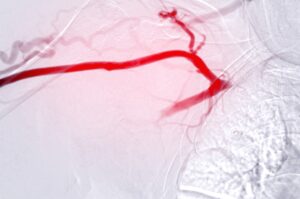
A transradial cardiac catheter is a thin, flexible tube guided through the radial artery in the wrist up to the heart. Your cardiologist uses it to diagnose blockages, measure pressure within the heart, or perform treatments like angioplasty and stenting.
This approach differs from the older transfemoral method, which enters through the groin. While both techniques reach the same destination, the path matters. The wrist offers a smaller, more accessible artery that is easier to control after the procedure ends.
Why Wrist Access Reduces Bleeding Risks
Bleeding is one of the most common complications tied to catheter procedures. Choosing wrist access changes that equation in a few important ways.
- Smaller artery, smaller risk. The radial artery is narrower than the femoral artery, which naturally limits the amount of blood loss if any bleeding occurs.
- Easier compression. Because the wrist sits close to the skin’s surface, your care team can apply direct pressure immediately after the catheter is removed, closing the access point quickly.
- No major blood vessels nearby. The groin area houses large veins and nerves close to the femoral artery, raising the stakes if a complication develops. The wrist does not carry that same risk.
- Faster mobility after the procedure. Patients can often sit up, walk, and return to daily activities sooner, which lowers the chance of clot-related complications tied to prolonged bed rest.
Research supports these benefits. The RIVAL trial, a large international study published in The Lancet, found that radial access significantly reduced major bleeding and vascular complications compared to femoral access, particularly for patients at higher risk.
What Recovery Looks Like
Recovery after a transradial cardiac catheter tends to be smoother than you might expect. Most patients go home the same day or the next morning. A small wristband applies gentle pressure for a few hours, and most people resume light activities within a day or two.
Your cardiologist will walk you through any restrictions specific to your situation, since every recovery timeline looks a little different depending on your overall health.
Is Wrist Access Right for Every Patient?
Not every patient is a candidate for the transradial approach. Your cardiologist will check for adequate blood flow in the hand using a simple bedside test before recommending this method. Patients with very small or narrow radial arteries, or those with certain circulation issues, may still need the traditional femoral approach.
The good news is that your care team will always choose the safest, most appropriate option for your specific health needs rather than a one-size-fits-all solution.
Finding the Right Support in Brooklyn
If you or a loved one is preparing for a cardiac catheterization, working with an experienced cardiology clinic in Brooklyn can make the entire process feel more manageable. A skilled cardiology clinic in Brooklyn will walk you through what to expect, answer your questions in plain language, and coordinate every step of your care with compassion.
You do not have to navigate this alone. Our Cardiology team is here to explain your options clearly, support your recovery, and keep your family informed at every stage. Reach out to us today by calling +1-718-367-2555 or visiting us at 1797 Pitkin Avenue, Brooklyn, NY 1121 to schedule a consultation and learn whether a transradial cardiac catheter is the right path for your heart health.