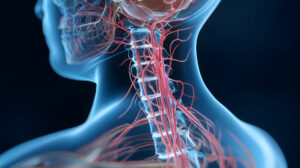
Fibromuscular dysplasia signs often include high blood pressure, headaches, dizziness, and neck pain caused by abnormal narrowing or bulging of blood vessels. The condition most frequently affects the carotid and renal arteries, raising the risk of stroke, aneurysm, and kidney damage. A vascular specialist can confirm the diagnosis through imaging and guide you toward the right treatment plan.
Learning that a loved one may have a vascular condition can feel overwhelming. Fibromuscular dysplasia, often shortened to FMD, is a rare disease that affects the walls of blood vessels throughout the body. It causes arteries to narrow, bulge, or develop small tears, most commonly in the carotid arteries in the neck and the renal arteries that supply the kidneys.
You do not need to navigate this diagnosis without guidance. This article walks you through the most common fibromuscular dysplasia signs, explains the carotid and renal artery risks tied to this condition, and outlines when it is time to bring in a vascular specialist for a closer look.
What Are the Early Fibromuscular Dysplasia Signs to Watch For?
Fibromuscular dysplasia can be difficult to catch early because symptoms often mimic other common health issues. Many patients do not receive a diagnosis until a routine scan reveals irregularities in their blood vessels.
Common Symptoms Linked to Carotid and Renal Artery Risks
- Unexplained high blood pressure: This is often the first clue, especially in younger patients without typical risk factors.
- Headaches or dizziness: These can point to reduced blood flow through narrowed carotid arteries.
- Neck pain or a pulsing sound in the ears: This may signal changes in the carotid artery wall.
- Abdominal or flank pain: This can be connected to renal artery involvement.
If you or your loved one notices these symptoms together, it is worth raising them with your doctor sooner rather than later.
How Does Fibromuscular Dysplasia Affect the Carotid and Renal Arteries?
Carotid Artery Risks
When fibromuscular dysplasia affects the carotid arteries, it can lead to reduced blood flow to the brain. In more serious cases, this raises the risk of stroke or the formation of an aneurysm, a weakened, bulging section of the artery wall. According to the FMD Society of America, carotid involvement is among the most frequently reported sites of this condition.
Renal Artery Risks
The renal arteries are the second most common site affected by fibromuscular dysplasia. Narrowing here can reduce blood flow to the kidneys, often resulting in difficult-to-control high blood pressure. Left unmanaged, this can place lasting strain on kidney function over time.
When Should You See a Vascular Specialist?
Catching fibromuscular dysplasia early gives you more options for managing it well. You should consider scheduling a visit with a vascular specialist if you experience:
- Blood pressure that remains high despite medication
- Sudden or severe headaches paired with neck pain
- A family history of fibromuscular dysplasia or unexplained artery issues
- Any of the symptoms listed above that do not improve over time
A vascular specialist can order imaging tests, such as a CT angiogram or ultrasound, to get a clear picture of your artery health and recommend next steps.
Finding the Right Vascular Clinic in Brooklyn
Choosing a vascular clinic in Brooklyn means finding a team equipped to diagnose and monitor conditions like fibromuscular dysplasia with care and precision. Look for a clinic that offers advanced imaging on-site, a vascular specialist with experience treating rare artery conditions, and a staff willing to explain your results in plain language. The right vascular clinic in Brooklyn will also help you build a long-term monitoring plan, since fibromuscular dysplasia often requires ongoing care rather than a single treatment.
You Are Not Alone in Managing This Diagnosis
A diagnosis of fibromuscular dysplasia can bring up a lot of questions and, understandably, some worry. But with the right care team watching over your carotid and renal arteries, you can manage this condition and protect your long-term health.
Our Vascular team is here to help you understand your diagnosis and build a plan that fits your life. Reach out today by calling +1-718-367-2555 or visiting us at 1797 Pitkin Avenue, Brooklyn, NY 1121 to schedule a consultation and take the next step toward lasting peace of mind.