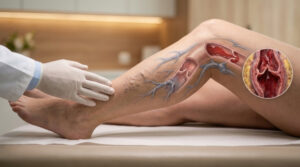
Living with FMD means following exercise and blood pressure guidelines that protect your arteries without sidelining you from daily life. Low to moderate aerobic activity is generally safe, while high-intensity or contact sports should be avoided. Pairing movement with blood pressure monitoring and guidance from a vascular specialist helps you manage symptoms and protect your long-term health.
A diagnosis of fibromuscular dysplasia often leaves patients and their families with the same question: what does daily life look like now? Exercise and blood pressure guidelines become central to that answer, since both play a direct role in protecting the arteries affected by FMD.
The good news is that living with FMD does not mean giving up movement altogether. With the right approach and the right medical guidance, you can stay active while keeping your arteries safe.
Exercise Guidelines for Living with FMD
Exercise supports heart health, mood, and overall well-being. But when you are living with FMD, certain activities carry more risk than others.
Safe Exercises to Embrace
Low-impact, moderate-intensity activities are typically the safest choice. These include:
- Walking: A gentle way to stay active without straining your arteries.
- Swimming: Easy on the joints and effective for cardiovascular health.
- Stationary cycling: Allows you to control intensity and avoid sudden strain.
- Light stretching or yoga: Supports flexibility without raising blood pressure sharply.
These activities keep your heart engaged while minimizing sudden pressure changes in the arteries.
Exercises to Avoid
Some activities place extra stress on blood vessels and should generally be avoided when living with FMD. These include:
- Heavy weightlifting or straining exercises
- Contact sports, such as football or hockey
- High-intensity interval training
- Activities involving sudden, forceful head or neck movements
Always talk with your doctor before starting any new exercise routine. What feels safe for one patient may not be appropriate for another.
Blood Pressure Management When Living with FMD
High blood pressure is one of the most common challenges tied to fibromuscular dysplasia, particularly when the renal arteries are involved. Managing it well is a key part of protecting your long-term health.
Lifestyle Changes
Small, consistent changes often make the biggest difference. Consider:
- Reducing sodium intake: Lower salt consumption helps ease pressure on artery walls.
- Staying hydrated: Proper hydration supports healthy circulation.
- Managing stress: Chronic stress can contribute to blood pressure spikes.
- Monitoring blood pressure at home: Regular tracking helps you and your care team spot patterns early.
When to Consult a Vascular Specialist
Not every blood pressure fluctuation requires an emergency visit, but some signs call for prompt attention from a vascular specialist. Reach out if you notice:
- Blood pressure readings that stay high despite medication
- Sudden headaches paired with dizziness or vision changes
- Chest pain or shortness of breath
- Numbness or weakness on one side of the body
A vascular specialist can reassess your treatment plan and order imaging if needed to check on your artery health.
Finding a Vascular Clinic in Brooklyn
If you are living with FMD and searching for consistent, specialized care, finding the right vascular clinic in Brooklyn matters. Look for a clinic with experience treating rare vascular conditions, access to advanced imaging, and a team willing to walk you through your results step by step. A trusted vascular clinic in Brooklyn can also help you build a long-term plan that adjusts as your needs change over time.
Moving Forward with Confidence
Living with FMD comes with real questions about exercise and blood pressure guidelines, but you do not have to figure out the answers alone. With the right care team monitoring your arteries and guiding your activity choices, you can stay active while protecting your health.
Our Vascular team is here to help you build a plan that fits your life. Reach out today by calling +1-718-367-2555 or visiting us at 1797 Pitkin Avenue, Brooklyn, NY 1121 to schedule a consultation with our team.