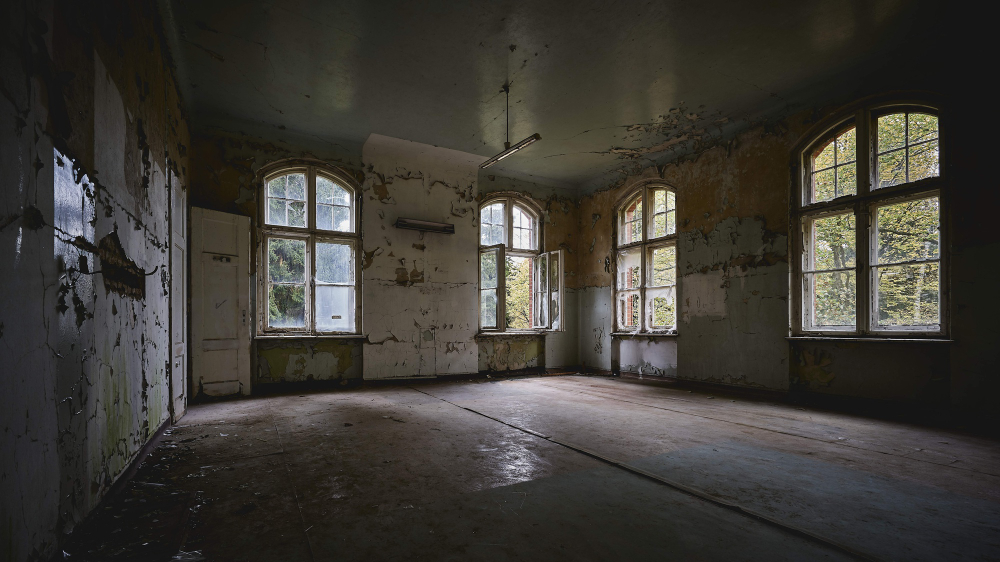
Basement dampness creates the perfect breeding ground for black mold, and understanding how black mold spores aggravate sinus infections starts with recognizing that these spores irritate nasal passages and trigger inflammation. Reducing moisture, improving ventilation, and seeing an allergist for persistent symptoms can help protect your sinus health and your home.
A damp basement might seem like a minor inconvenience. But that lingering moisture does more than create a musty smell. It sets the stage for mold growth, and for many people, that mold becomes a direct source of sinus trouble. If you have noticed your sinus infections flaring up more often at home, basement dampness could be playing a bigger role than you realize.
This guide explains how black mold spores aggravate sinus infections, what warning signs to watch for, and when it makes sense to reach out to an allergist for help.
What Makes Basement Dampness a Health Hazard
Basements trap moisture easily. Poor ventilation, groundwater seepage, and limited sunlight all create conditions where humidity lingers instead of evaporating. Over time, that trapped moisture soaks into walls, carpets, and stored belongings.
This is not just a structural concern. It is a health concern for everyone living in the home.
How Black Mold Spores Form and Spread
Mold needs three things to grow: moisture, organic material, and warmth. A damp basement provides all three. Black mold, scientifically known as Stachybotrys chartarum, thrives in these conditions and releases microscopic spores into the air.
These spores are light enough to travel through your home’s air system. They settle on surfaces, hide in carpets, and circulate through heating and cooling vents. Once airborne, they become easy to inhale without you even noticing.
How Black Mold Spores Aggravate Sinus Infections
Your sinuses are lined with delicate tissue designed to filter out irritants. When you breathe in black mold spores, that tissue reacts. Inflammation builds, mucus production increases, and your sinus passages become a prime target for infection.
For people who already deal with seasonal allergies or asthma, this reaction can be even stronger. Repeated exposure may turn an occasional sinus infection into a chronic problem that never fully resolves.
Symptoms to Watch For
Mold-related sinus issues often look similar to a common cold or seasonal allergy. Pay attention if you notice:
- Persistent congestion that does not improve with typical allergy medication
- Facial pressure or pain, especially around the cheeks and forehead
- Frequent headaches that worsen indoors
- A chronic cough or postnasal drip
- Fatigue that seems to have no clear cause
If these symptoms keep returning, especially when you spend time in your basement, mold exposure may be the underlying cause.
Steps to Reduce Mold Exposure at Home
You do not have to wait for symptoms to worsen before taking action. A few practical changes can make a real difference:
- Run a dehumidifier to keep basement humidity below 50 percent.
- Fix leaks promptly, including small ones around pipes or foundation cracks.
- Improve airflow by using fans or opening vents regularly.
- Clean visible mold with appropriate products, or hire a professional for larger infestations.
- Store items off the floor to reduce contact with damp surfaces.
These steps address basement dampness at its source, which reduces the conditions mold needs to grow.
When to See an Allergist
If your symptoms persist even after addressing moisture and mold in your home, it may be time to see an allergist. An allergist can run tests to confirm whether mold is triggering your sinus issues and recommend treatment tailored to your needs. This step matters because mold-related sinus symptoms can closely resemble other conditions, and proper testing removes the guesswork.
Finding an Immunology Clinic in Brooklyn
If you live locally, an immunology clinic in Brooklyn can offer convenient testing and personalized care close to home. Providers at an immunology clinic in Brooklyn are familiar with the unique housing conditions found throughout the city, including older buildings and basement apartments where dampness is common. That local knowledge can help you find relief faster.
Breathing Easier Starts With Addressing the Source
Basement dampness does not have to control your health. By tackling moisture at its root and understanding how black mold spores aggravate sinus infections, you can take meaningful steps toward relief. If your symptoms persist, reach out to the Allergy team by calling +1-718-367-2555 or visiting us at 1797 Pitkin Avenue, Brooklyn, NY 1121 to schedule an evaluation and start building a treatment plan suited to you.