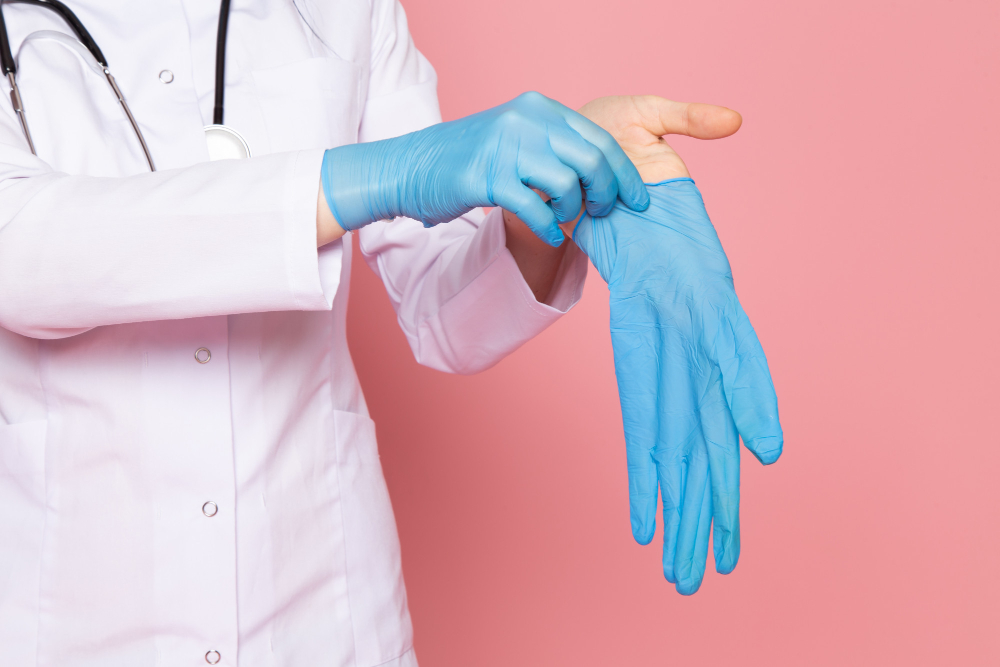
Healthcare glove sensitivities happen when your skin reacts to the materials, powders, or chemicals used in medical gloves. The causes of itchy hands from gloves range from simple friction and sweat buildup to true latex allergies. Most cases improve with glove changes or skincare adjustments, but persistent symptoms deserve a visit to an allergist.
If you work in healthcare, you know the feeling. Your hands itch before your shift even ends, and sometimes the irritation lingers long after you take your gloves off. You are not imagining it, and you are not alone.
Healthcare glove sensitivities affect countless nurses, doctors, dental workers, and lab technicians every year. Understanding the causes of itchy hands can help you find relief faster, whether that means switching glove types or seeking help from a specialist.
What Makes Healthcare Glove Sensitivities a Problem
Wearing gloves for hours at a time puts real stress on your skin. Sweat gets trapped, friction builds, and certain materials can trigger reactions ranging from mild to severe.
Types of Reactions: Irritant vs. Allergic Contact Dermatitis
Not all glove reactions are the same. Irritant contact dermatitis happens when repeated friction, sweat, or harsh soaps wear down your skin’s natural barrier. It tends to cause dryness, redness, and cracking.
Allergic contact dermatitis is different. Your immune system identifies a specific substance, often a glove chemical or latex protein, as a threat. This reaction can bring swelling, blistering, and intense itching that shows up even with brief exposure.
Latex vs. Non-Latex Gloves
Latex gloves contain natural rubber proteins that some people’s immune systems react to strongly. For those with a true latex allergy, even small amounts of exposure can cause symptoms.
Non-latex options, like nitrile or vinyl, remove that specific risk. However, they are not automatically symptom-free. Nitrile gloves still contain accelerator chemicals that can trigger allergic contact dermatitis in sensitive individuals.
Common Causes of Itchy Hands from Gloves
Several factors contribute to the causes of itchy hands beyond the glove material itself:
- Glove powder: Cornstarch powder inside gloves can trap allergens against your skin and worsen irritation.
- Moisture buildup: Sweating inside gloves for long shifts softens your skin, making it more vulnerable to irritants.
- Frequent handwashing: Repeated washing and sanitizing strips natural oils, leaving skin dry and reactive.
- Chemical accelerators: Found in both latex and synthetic gloves, these compounds are common triggers for allergic reactions.
Symptoms to Watch For
Pay attention to these warning signs:
- Redness or rash that appears after putting on gloves
- Persistent itching that does not fade after removing gloves
- Dry, cracked, or peeling skin on your hands
- Swelling or hives, which can signal a more serious allergic response
If these symptoms show up regularly, your body may be telling you something important.
When to See an Allergist
Occasional dryness is common and often manageable at home. But if your symptoms keep returning or seem to be getting worse, it is time to see an allergist. An allergist can run tests to pinpoint the exact trigger, whether it is latex, a chemical accelerator, or something else entirely. This matters because treating the wrong cause means the itching keeps coming back.
Finding an Immunology Clinic in Brooklyn
If you live or work locally, an immunology clinic in Brooklyn can offer convenient, specialized testing close to home. Providers at an immunology clinic in Brooklyn understand the day-to-day demands healthcare workers face and can help you find a glove solution that fits your job without compromising your skin health.
You Do Not Have to Live With Itchy Hands
Healthcare glove sensitivities are frustrating, but they are manageable once you understand the cause. Small changes, like switching glove materials or adjusting your handwashing routine, often bring real relief. When symptoms persist, reach out to our Allergy team by calling +1-718-367-2555 or visiting us at 1797 Pitkin Avenue, Brooklyn, NY 1121 to schedule testing and get a treatment plan built around your needs.