Graduated compression stockings are one of the simplest, most effective tools for managing circulation problems, yet many people struggle to pick the right strength. The two most common options, 20-30mmHg and 30-40mmHg, serve very different purposes, and wearing the wrong one can leave symptoms untreated or cause unnecessary discomfort. Choosing between 20-30mmHg vs 30-40mmHg safely starts with understanding what each pressure level is designed to do and who should be wearing it.
This guide breaks down the differences between these two compression ranges, explains who typically needs each one, and outlines when it’s time to consult a vascular specialist before making a decision.
What Do the Numbers on Graduated Compression Stockings Mean?
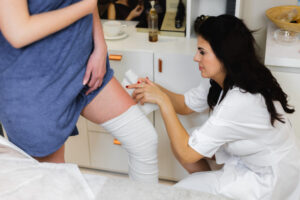
Graduated compression stockings apply the strongest pressure at the ankle and gradually ease higher up the leg. This design helps push blood back toward the heart, reducing swelling and supporting healthy circulation. The millimeters of mercury (mmHg) rating simply indicates how much pressure the stocking exerts at the ankle.
Lower ratings, like 15-20mmHg, are often sold over the counter for mild, everyday symptoms such as tired or achy legs after long periods of standing or sitting. The 20-30mmHg and 30-40mmHg ranges fall into the moderate-to-firm category and are generally used to manage more specific medical conditions.
20-30mmHg: Who Should Wear This Level?
The 20-30mmHg strength is considered moderate compression and is one of the most widely prescribed levels for everyday circulatory concerns.
Common Uses for 20-30mmHg Stockings
- Mild to moderate varicose veins
- Swelling in the legs or ankles from prolonged sitting or standing
- Managing symptoms during and after pregnancy
- Preventing blood clots during long flights or recovery from minor surgery
- General support for tired, heavy legs
Many patients find that 20-30mmHg stockings offer noticeable relief without feeling overly restrictive, making them a reasonable starting point for people newly diagnosed with mild venous issues.
30-40mmHg: Who Should Wear This Level?
The 30-40mmHg range delivers firm compression and is typically reserved for more advanced or persistent conditions that haven’t responded to lighter support.
Common Uses for 30-40mmHg Stockings
- Moderate to severe varicose veins
- Chronic venous insufficiency
- Lymphedema management
- Post-sclerotherapy or post-surgical recovery
- Deep vein thrombosis (DVT) prevention in higher-risk patients
Because this level applies significantly more pressure, it’s generally recommended only after a diagnosis from a vascular specialist, who can confirm that firm compression is appropriate and won’t restrict circulation in patients with certain conditions, such as peripheral artery disease.
20-30mmHg vs 30-40mmHg: Side-by-Side Comparison
Feature | 20-30mmHg | 30-40mmHg |
Compression level | Moderate | Firm |
Typical use | Mild to moderate venous symptoms | Chronic or advanced venous conditions |
Prescription needed | Sometimes | Usually |
Comfort for daily wear | Generally comfortable | Can feel restrictive |
Best for | New or mild symptoms | Diagnosed conditions requiring stronger support |
How to Choose Between 20-30mmHg vs 30-40mmHg Safely
Selecting the right compression level isn’t something to guess at. A few factors should guide the decision:
Consider Your Diagnosed Condition
If you’ve been diagnosed with a specific vein or lymphatic condition, your treatment plan likely already specifies a compression range. Sticking to that recommendation matters, since under-compressing may not control symptoms, while over-compressing can reduce blood flow in certain patients.
Watch for Warning Signs
Numbness, tingling, skin discoloration, or increased pain after putting on stockings are signs the compression level may be too strong. These symptoms shouldn’t be ignored.
Get a Proper Fit
Compression stockings only work correctly when sized accurately. A poor fit, regardless of the mmHg rating, can cause the stocking to bunch, slip, or apply uneven pressure.
Talk to a Vascular Specialist First
Anyone unsure which level applies to their situation, especially those with diabetes, poor circulation, or arterial disease, should consult a vascular specialist before purchasing firm compression stockings. A proper evaluation can confirm whether 20-30mmHg or 30-40mmHg is the safer, more effective choice.
Get Personalized Guidance From Our Vascular Team
Choosing between 20- 30 mmHg and 30- 40 mmHg safely is easier with the right medical guidance behind the decision. Our vascular clinic in Brooklyn offers thorough evaluations to determine the compression level that fits each patient’s condition and lifestyle. Our Vascular team is ready to help you find the right fit and the right strength. Schedule a consultation today by calling +1-718-367-2555 or visiting us at 1797 Pitkin Avenue, Brooklyn, NY 1121 to get started.