Learning that a loved one has pernicious anemia can feel overwhelming. Suddenly, you are faced with new vocabulary, new treatment decisions, and real questions about what will actually help their body absorb vitamin B12. This confusion is common, and it does not mean you are behind. Understanding the difference between sublingual drops and injections for malabsorption is the first step toward finding a plan that fits your loved one’s needs.
Pernicious anemia and vitamin B12 are closely linked because the condition prevents the body from absorbing B12 through normal digestion. That single fact changes everything about how treatment works, and it is why so many families ask which delivery method actually gets the vitamin where it needs to go.
What Is Pernicious Anemia and Why Does B12 Absorption Fail?
Pernicious anemia is an autoimmune condition that attacks the stomach cells responsible for producing intrinsic factor, a protein your body needs to absorb vitamin B12 from food. Without intrinsic factor, B12 passes through the digestive system largely unused, no matter how much your loved one eats.
This is frustrating because it means diet alone cannot fix the problem. The body is not lacking B12 in the food. It is lacking the ability to absorb it. That distinction is exactly why treatment has to bypass normal digestion.
Sublingual Drops vs. Injections for Malabsorption
Once malabsorption is confirmed, the real decision becomes how to deliver B12 in a way the body can actually use. Two options come up most often: sublingual drops and injections.
How Sublingual B12 Works
Sublingual drops dissolve under the tongue, where B12 is absorbed directly into the bloodstream through the tissue of the mouth. This route skips the stomach entirely, which sounds promising for someone with pernicious anemia. However, absorption through oral tissue is still inconsistent, and research on how much B12 actually reaches the bloodstream this way remains limited. For mild cases or maintenance support, your nutritionist may consider this option, but it is rarely recommended as the primary treatment for confirmed pernicious anemia.
How B12 Injections Work
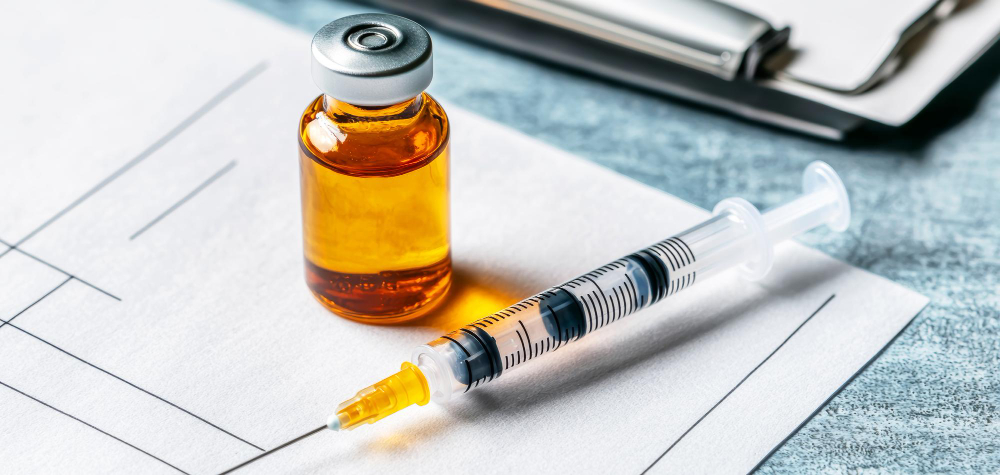
Injections deliver vitamin B12 directly into the muscle, sending it straight into the bloodstream without relying on digestion or oral absorption at all. This is why injections remain the standard treatment for pernicious anemia. Your loved one’s provider will typically recommend a loading phase of more frequent injections, followed by a maintenance schedule, often monthly, to keep B12 levels stable long term.
Comparing the Two Methods
- Absorption route: Sublingual drops rely on oral tissue absorption. Injections bypass absorption issues entirely by entering the bloodstream directly.
- Reliability for pernicious anemia: Injections are the clinically preferred option for confirmed malabsorption. Drops are generally better suited for prevention or mild deficiency.
- Convenience: Drops can be taken at home daily. Injections usually require a clinic visit or trained caregiver, though at-home self-injection is possible with guidance.
- Speed of correction: Injections typically restore B12 levels faster, which matters when symptoms like fatigue or nerve changes are significant.
Choose injections if pernicious anemia has been formally diagnosed and absorption is severely impaired. Consider sublingual drops only as a supportive option, and always under the guidance of a nutritionist or physician who can monitor your loved one’s B12 levels over time.
When to Involve a Nutritionist
You do not have to figure out dosing and delivery methods on your own. A nutritionist can review lab results, track how your loved one responds to treatment, and adjust the plan if symptoms persist. Working with a nutritional consultant in Brooklyn also means someone is watching for signs of relapse and coordinating care between your loved one’s physician and their daily nutrition needs.
You Do Not Have to Manage This Alone
Deciding between sublingual drops and injections for malabsorption is not a decision you have to make without support. Our Nutrition team works with families to monitor B12 levels, adjust treatment as needed, and answer the questions that come up along the way. If you are looking for guidance from a nutritional consultant in Brooklyn, reach out today by calling +1-718-367-2555 or visiting us at 1797 Pitkin Avenue, Brooklyn, NY 1121 to schedule a consultation.