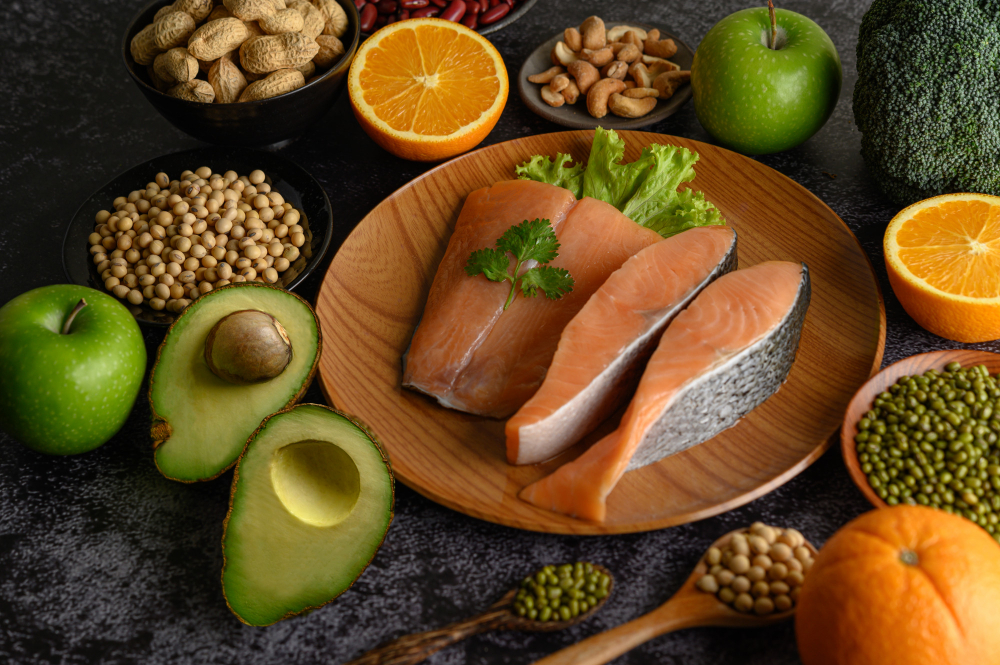
Wound-healing nutrition relies on two nutrients working together: protein, which rebuilds skin and muscle tissue, and zinc, which supports collagen formation and immune defense. Pressure sores close faster and with fewer complications when a loved one’s diet includes enough of both, ideally guided by a nutritionist.
Watching a loved one struggle with a pressure sore that will not heal is frightening. You change the dressing, follow the care plan, and still the wound seems stuck in place. Often, the missing piece is not medical. It is nutritional.
Wound-healing nutrition plays a direct role in how quickly skin repairs itself, and pressure sores are especially sensitive to nutrient gaps. High-protein and zinc diets close pressure sores more effectively because these two nutrients fuel the body’s natural repair process at the cellular level. Understanding how they work can help you support a loved one’s recovery every day, not just at the next medical appointment.
What Is Wound-Healing Nutrition and Why Does It Matter for Pressure Sores?
Pressure sores, also called bedsores or pressure ulcers, develop when sustained pressure cuts off blood flow to the skin. Healing requires the body to generate new tissue quickly, and that process is fueled almost entirely by nutrition. Without enough protein and zinc, the body simply does not have the raw materials to rebuild damaged skin.
How High-Protein and Zinc Diets Close Pressure Sores
Why Protein Is Essential for Pressure Sore Healing
Protein supplies the amino acids the body needs to build new skin, muscle, and connective tissue. During wound healing, protein needs rise well above normal levels. A loved one recovering from a pressure sore may need significantly more protein than usual to keep pace with tissue repair.
Good sources include:
- Lean meats and poultry: Easy to digest and rich in complete protein.
- Eggs: A versatile, affordable protein source that is gentle on the stomach.
- Dairy and fortified shakes: Useful when appetite is low but protein needs remain high.
- Legumes and beans: A valuable option for those on plant-based diets.
The Role of Zinc in Wound Repair
Zinc supports collagen production, the protein scaffolding that gives new skin its strength. It also plays a key role in immune function, helping protect a healing wound from infection. Low zinc levels are strongly linked to slow-healing pressure sores, which is why many care plans now include zinc-rich foods or supplements.
Zinc can be found in:
- Shellfish and red meat
- Pumpkin seeds and nuts
- Whole grains and legumes
Building a Wound-Healing Nutrition Plan at Home
You do not need a medical degree to start supporting your loved one’s recovery today.
- Add protein to every meal, not just dinner, to spread intake evenly throughout the day.
- Offer small, frequent meals if appetite is limited, since large portions can feel overwhelming.
- Pair protein with zinc-rich foods when possible, such as eggs with pumpkin seeds or chicken with beans.
- Track hydration, since fluids support circulation and nutrient delivery to the healing area.
When to Involve a Nutritionist
Some pressure sores require more precision than a home diet plan alone can provide. If your loved one has diabetes, kidney disease, or a wound that has not improved in several weeks, a nutritionist can calculate exact protein and zinc targets based on their specific health needs. Working with a nutritional consultant in Brooklyn also means someone is actively monitoring progress, not leaving you to guess whether the plan is working.
You Do Not Have to Figure This Out Alone
Healing a pressure sore takes more than good bandaging. It takes the right nutrition, applied consistently and adjusted as your loved one’s needs change. If you are unsure where to start, our Nutrition team is ready to build a wound-healing plan tailored to your loved one. Reach out to us today by calling +1-718-367-2555 or visiting us at 1797 Pitkin Avenue, Brooklyn, NY 1121 to get started.