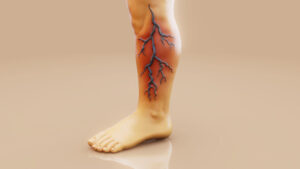
Post-marathon foot care means watching for black toenails and stress fractures while your feet recover from race-day impact. Black toenails are usually harmless and heal on their own, but persistent pain, swelling, or pinpoint tenderness could signal a stress fracture. If pain worsens or does not improve with rest, a podiatrist in Brooklyn can help you find relief and get back on your feet safely.
Crossing the finish line feels like a victory, but your feet have been through a lot. Repeated impact over 26.2 miles can leave behind soreness, bruising, and sometimes more serious injuries that are easy to dismiss as “normal” post-race wear and tear. Post-marathon foot care is about knowing the difference between everyday soreness and a problem that needs attention.
Two of the most common concerns runners face after a marathon are black toenails and stress fractures. Both can look alarming, but they are not always a reason to panic. Still, there are warning signs worth taking seriously, and knowing them can help you protect your feet for the next race.
What Causes Black Toenails After a Marathon?
A black toenail, known medically as a subungual hematoma, happens when blood collects underneath the nail. This usually happens after repeated pressure or impact, like your toes hitting the front of your shoe mile after mile. Downhill running and ill-fitting shoes can make this more likely.
In most cases, a black toenail is painless once the initial bruising settles. The nail may loosen over time and eventually fall off, with a new one growing in slowly over the following months.
When Should You See a Podiatrist for a Black Toenail?
You should not try to pop, pry, or pull the nail yourself. Instead, watch for these signs that warrant a visit to podiatry services:
- Throbbing pain or pressure. This can mean the blood buildup needs to be drained by a professional.
- Signs of infection. Redness, swelling, pus, warmth, or fever around a lifting nail should be evaluated right away.
- A dark spot with no clear cause. If you notice a dark streak or spot without any history of injury, have it checked, since this is different from typical bruising.
Could It Be a Stress Fracture?
Stress fractures are tiny cracks in a bone caused by repetitive force or overuse. They commonly affect the weight-bearing bones of the foot and lower leg, including the metatarsals, which is why distance runners are especially prone to them.
Unlike the sudden snap of a traumatic break, stress fracture pain tends to build gradually.It often starts subtly, worsens with weight-bearing activity, and eases with rest. You may also notice swelling or tenderness at one specific spot on your foot.
Ignoring a stress fracture can allow it to progress into a complete break, which takes much longer to heal. A podiatrist can diagnose a stress fracture through a physical exam and imaging. Early X-rays can sometimes look normal, so an MRI or bone scan may be needed to confirm the diagnosis.
How Are Stress Fractures Treated?
Treatment generally focuses on giving the bone time to heal. This may include:
- Rest from impact activity, allowing the bone to repair itself without further stress.
- Protective footwear or a boot, and in some cases crutches, to keep weight off the area.
- A gradual return to running, rebuilding mileage slowly once you are cleared to resume.
Caring for Your Feet in the Days After a Marathon
Whether you are dealing with a black toenail, a stress fracture, or simply general soreness, a few simple habits can support your recovery:
- Take gentle walks to keep blood flowing without adding strain.
- Elevate and rest your feet when you can.
- Ice areas of soreness or swelling.
- Change into dry, clean socks and check your feet daily for new issues.
- Choose shoes with a roomy toe box and trim your toenails straight across.
If you manage diabetes, pay extra attention to your feet after a race. Diabetes can reduce feeling in the feet, making it harder to notice small problems before they become serious.
When to See a Podiatrist After a Marathon
Trust your instincts if something feels off. You should seek care from a podiatrist in Brooklyn if you experience:
- Pain that persists or is pinpointed to one spot on the bone
- Pain at rest or during the night
- Swelling that does not improve with time
- Inability to bear weight on the foot
- Numbness or signs of infection
Take the Next Step Toward Healthy Feet
You do not have to guess whether your foot pain is normal or something more. Our podiatry team works with you to identify the cause of your pain and build a treatment plan suited to your lifestyle. Reach out to us today by calling +1-718-367-2555 or visiting us at 1797 Pitkin Avenue, Brooklyn, NY 11212, to schedule an evaluation and take the first step toward lasting relief.