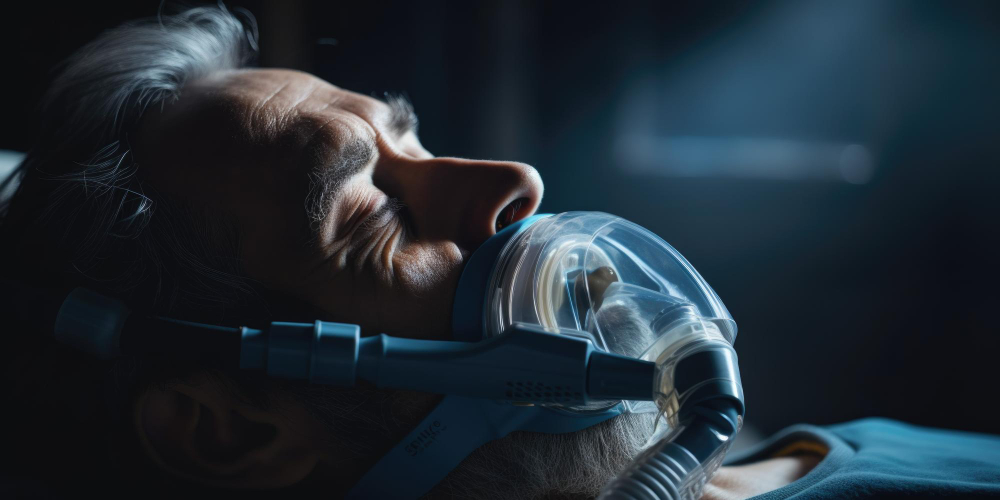
Sleep apnea and atrial fibrillation are closely connected conditions, and loud, persistent snoring is often the first clue. When recurring pauses in breathing disrupt oxygen levels overnight, the heart’s electrical system can become unstable, raising the risk of an irregular heartbeat. Cardiologists routinely screen for sleep apnea in patients with atrial fibrillation because treating one condition often improves the other.
Atrial fibrillation, often shortened to AFib, is the most common type of irregular heart rhythm. It can cause fatigue, dizziness, shortness of breath, or a fluttering sensation in the chest. What many people do not realize is that sleep apnea, a condition where breathing repeatedly stops and starts during sleep, is one of the strongest, most overlooked contributors to AFib. Understanding this link can help you or your loved one get the right care before complications set in.
The Link Between Sleep Apnea and Atrial Fibrillation
Sleep apnea and atrial fibrillation feed into one another. During an apnea episode, the airway becomes blocked, and oxygen levels drop. The heart responds by working harder, and blood pressure spikes temporarily within the chest. Over months and years, this repeated stress can scar and stretch the heart’s upper chambers, creating the exact conditions that trigger atrial fibrillation.
Research consistently shows that patients with untreated obstructive sleep apnea face a significantly higher risk of developing AFib compared to those without it, and the relationship runs both ways. Sleep apnea is present in a large share of patients with atrial fibrillation, and untreated apnea is linked to poorer outcomes after AFib treatment, including higher rates of recurrence. If you have already been diagnosed with one condition, it is worth asking whether the other may be quietly present as well. Scheduling a heart rhythm evaluation is often the clearest way to find out.
How Snoring Signals a Deeper Problem
Not all snoring points to a heart issue. But certain patterns are worth paying attention to:
- Loud, irregular snoring. Sound that starts and stops, rather than a steady rhythm, often signals blocked airflow rather than simple snoring.
- Witnessed pauses in breathing. A partner noticing gasping or silence followed by a sudden snort is one of the clearest warning signs of sleep apnea.
- Daytime exhaustion. Waking up tired despite a full night’s sleep suggests your body never reached restorative rest.
- Morning headaches or a dry mouth. These are common after a night of disrupted oxygen levels.
None of these symptoms mean something is seriously wrong on their own. Together, though, they tell a story your heart may already be responding to.
What Cardiologists Look For
When evaluating a patient for atrial fibrillation, a cardiologist will often ask directly about snoring, daytime fatigue, and sleep quality, since these details shape the full picture of heart health. From there, the workup may include an EKG to check the heart’s rhythm, an echocardiogram to look at heart structure, and a referral for a sleep study to confirm or rule out apnea.
Treating sleep apnea, often with a CPAP machine or other breathing support, can meaningfully reduce AFib episodes for many patients. This is why a thorough cardiology evaluation looks beyond the heart alone and considers how sleep, breathing, and circulation work together.
When to See a Cardiologist
You do not need a confirmed AFib diagnosis to start the conversation. If you experience a racing or irregular heartbeat, unexplained fatigue, or if someone close to you has pointed out troubling snoring patterns, that is reason enough to get checked. Early evaluation gives you more treatment options and a better chance of preventing complications like stroke, which is a known risk of untreated atrial fibrillation. If you are searching for the best cardiologist in Brooklyn to address symptoms like these, choosing a provider experienced in both heart rhythm disorders and sleep-related risk factors can make a real difference in your diagnosis and treatment plan.
Protecting Your Heart Starts With Listening to the Signs
Snoring is easy to dismiss. Your heart cannot afford for you to ignore it. Recognizing the connection between sleep apnea and atrial fibrillation gives you the power to act before a minor nighttime annoyance becomes a serious cardiac concern. Patients searching for the best cardiologist in Brooklyn deserve a team that takes both conditions seriously, together. If you’re experiencing symptoms of a blocked artery or want to learn more about your treatment options, our Cardiology team is here to help. Reach out to us today by calling +1-718-367-2555 or visiting us at 1797 Pitkin Avenue, Brooklyn, NY 11212, to schedule a consultation and take the next step toward a healthier heart.