Heated socks and electric blankets can cause serious burns in people with neuropathy because numbness from nerve damage masks the warning signs of overheating. Low settings, timers, and daily skin checks reduce burn risk.
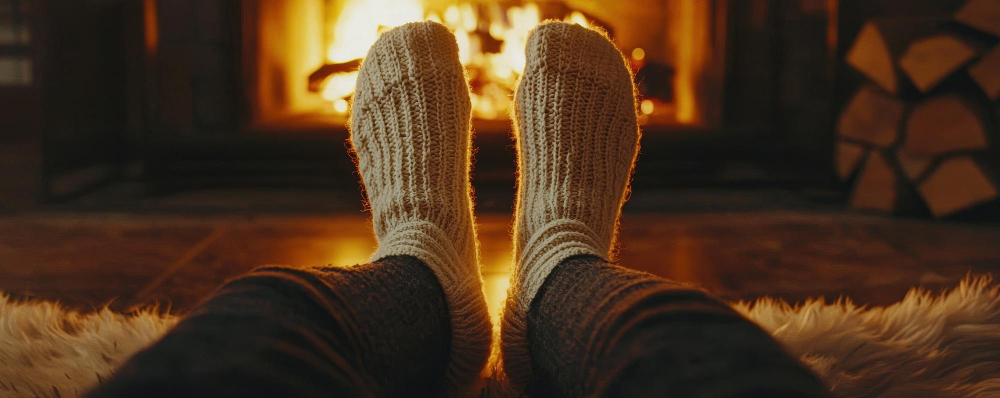
Cold winter nights make heated socks and electric blankets tempting. For your loved one living with neuropathy, though, that same warmth can quietly cause harm. Nerve damage dulls the ability to feel heat, pain, and pressure, so a burn can form well before anyone notices something is wrong.
This matters most for families managing diabetes or circulation problems at home. A burn that goes unnoticed for even a day can turn into a wound that is slow to heal and difficult to treat. A few simple precautions can let your loved one stay warm without putting their skin at risk.
Why Does Neuropathy Increase Burn Risk With Heated Socks and Electric Blankets?
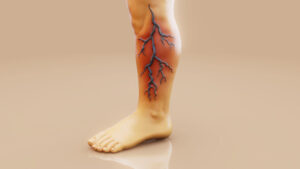
Peripheral neuropathy, often linked to diabetes, damages the nerves that normally alert the brain to heat and pain. That early-warning system is what keeps most of us safe around heated socks and electric blankets. Without it, your loved one’s skin can absorb low, steady heat for a long time without any sense that something is wrong.
This is the heart of the danger. Heat does not need to feel hot to cause damage. Prolonged, low-level warmth against numb skin can injure tissue slowly, and because there is no pain to signal a problem, the burn often goes unnoticed until it has already broken the skin.
What Makes a Burn on a Numb Foot So Serious?
A burn that would be a minor annoyance for most people can become a real medical concern on a foot affected by neuropathy. Reduced circulation, which often accompanies nerve damage, slows healing and makes infection more likely. Left untreated, a simple blister can progress into a wound that threatens the whole foot.
This is why prevention matters so much more here than it would for someone without nerve damage.
How Can You Protect a Loved One From Heated Sock and Electric Blanket Burns?
You can significantly lower the risk with a few consistent habits. None of these require special equipment or technical know-how, just attention and a steady routine.
- Check the skin daily. Look over your loved one’s feet each day, especially if they cannot easily see or reach them. Catching redness or a blister early makes all the difference.
- Use the lowest heat setting. Lower heat means a longer margin of safety if the warning signs are never felt.
- Set a timer or use an auto shutoff. This removes the risk of heat running for hours longer than intended.
- Avoid sleeping with heated socks or an electric blanket on. Overnight use removes the chance to notice a problem before real damage occurs.
- Consider non-electric alternatives. Wool or moisture-wicking socks, extra blankets, and a warmer room temperature can provide comfort without any heat-source risk.
What Are the Warning Signs of a Burn Injury on Numb Feet?
Because pain may not be part of the picture, visual checks become essential. Watch for:
- Redness that does not fade within a short time
- Blisters, even small ones
- Broken or cracked skin
- Swelling
- Drainage or pus
- Increasing pain, even if it starts out mild
- Any change in skin color
If you notice any of these signs, do not wait to see if it improves on its own.
When Should You See a Podiatrist
Any wound on a numb foot deserves prompt attention. This is especially true for your loved one if diabetes or poor circulation is part of their health picture, since healing can take longer and complications can progress quickly.
A podiatrist in Brooklyn, NY can assess the wound, begin treatment early, and help your family adjust home routines to prevent it from happening again.
You Do Not Have to Navigate This Alone
Staying warm and staying safe do not have to be in conflict. With a few precautions and a watchful eye, your loved one can get through the winter season comfortably. If you do notice a warning sign, help is close by and ready to act.
Our podiatry team is ready to guide you through every stage of your care, from your initial exam to long-term treatment. Reach out to us today by calling +1-718-367-2555 or visiting us at 1797 Pitkin Avenue, Brooklyn, NY 11212, to schedule your consultation and start walking toward better foot health.