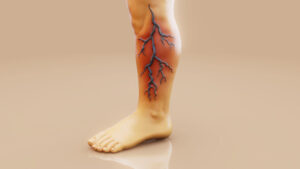
Claudication is leg pain, cramping, or fatigue triggered by walking. It has two common causes: poor circulation from peripheral artery disease (vascular claudication) or nerve compression from spinal stenosis (neurogenic claudication). The two conditions feel different and are relieved differently, so an accurate diagnosis from a vascular surgeon Brooklyn families trust matters more than guessing.
Leg pain while walking can feel confusing, especially when it comes and goes without warning. You take a few steps, your calf starts to ache, and you are left wondering whether this is just getting older or something that needs attention. This uncertainty is common, and you are not alone in trying to make sense of it.
What Is Claudication and What Causes Leg Pain While Walking?
Claudication describes leg pain, cramping, or heaviness that appears during activity and eases with rest or a change in position. It is not a diagnosis on its own. It is a symptom, and finding the cause behind it is the real goal.
There are two main sources of this kind of leg pain: narrowed arteries that limit blood flow, or a narrowed spinal canal that puts pressure on nerves. Both can cause similar discomfort, which is exactly why they get confused so often.
Vascular Claudication vs. Neurogenic Claudication (Spinal Stenosis)
Vascular claudication develops when peripheral artery disease narrows the arteries that carry blood to your legs. Plaque buildup restricts circulation, so the muscles working during a walk cannot get the oxygen they need. The result is a cramping or aching feeling, usually in the calf, that shows up at a predictable distance and fades within a few minutes of simply standing still.
Neurogenic claudication, often linked to lumbar spinal stenosis, works differently. Here, a narrowed spinal canal compresses nerves in the lower back. The pain, numbness, or heaviness typically affects both legs and often worsens when standing upright or walking downhill. Relief usually requires sitting down or bending forward, not just stopping in place.
Key Differences in Symptoms and Relief Positions
- Pain location: Vascular claudication often centers in the calf. Neurogenic claudication can involve both legs and the buttocks.
- What brings relief: Vascular pain eases with standing still. Neurogenic pain eases with sitting or bending forward.
- Other clues: Vascular claudication may come with cool skin, weak foot pulses, or slow-healing sores. Neurogenic claudication often appears alongside lower back pain.
- Walking downhill: This tends to worsen neurogenic symptoms but has little effect on vascular claudication.
Because these conditions can overlap, especially in older adults, self-diagnosis is rarely reliable. A clinical evaluation remains the safest way to know what is really happening.
When to See a Vascular Surgeon
If leg pain appears during walking and eases with rest, it is worth having your circulation checked. A vascular surgeon whom patients turn to can perform an ankle-brachial index test and imaging to see whether narrowed arteries are the cause. If vascular testing comes back normal, you may be referred for a spine evaluation instead. Seek care sooner rather than later if you notice rest pain at night, a sore that will not heal, or sudden, severe leg pain. These can be signs of a more advanced circulation problem.
Getting the Right Diagnosis, Not Just an Answer
Leg pain while walking does not have to remain a mystery. Whether the cause is circulation or nerve compression, an accurate diagnosis opens the door to a treatment plan built around your situation, not a guess. Our Vascular team provides personalized evaluations to ensure your treatment plan fits your health needs. Reach out today by calling +1-718-367-2555 or visiting us at 1797 Pitkin Avenue, Brooklyn, NY 11212 to schedule a consultation.