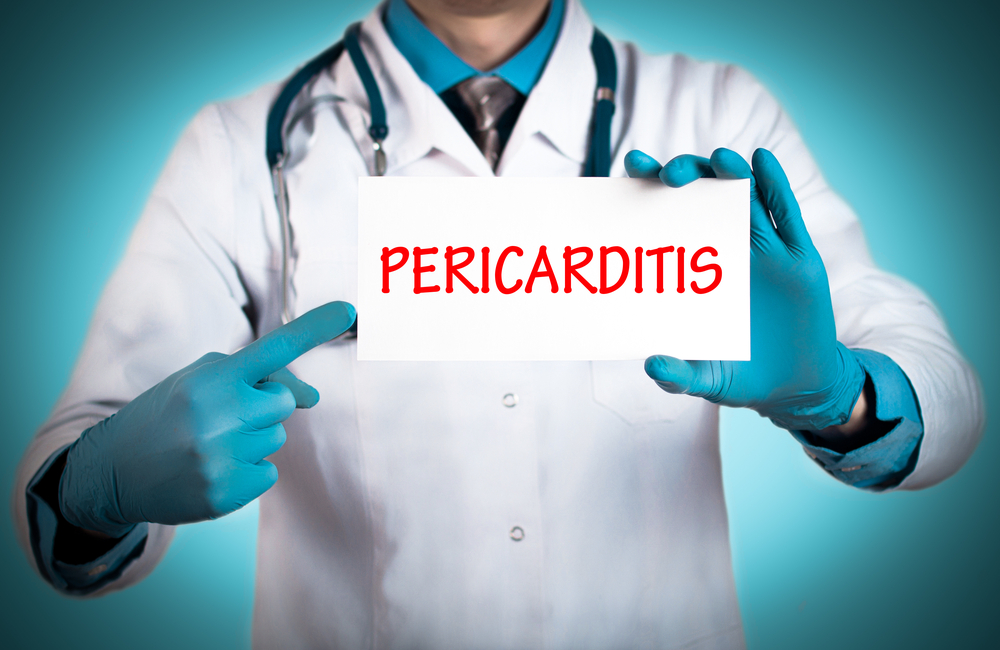
Suddenly, sharp chest pain is terrifying. If a heavy ache strikes the center of your chest, you might immediately think you are having a heart attack. However, this sudden discomfort might point to an entirely different cardiovascular issue. Knowing how to identify the specific signs and symptoms of acute pericarditis can help you secure the right medical attention without unnecessary panic.
Pericarditis occurs when the pericardium—the thin, two-layered sac surrounding your heart—becomes irritated and swollen. When these inflamed layers rub against each other, they cause intense pain. Let us explore the primary indicators of this condition and explain exactly when you should reach out to a medical professional for help. Get a consultation with the best cardiologists in Brooklyn.
What Are the Signs and Symptoms of Acute Pericarditis?
Because chest pain accompanies several serious medical conditions, pinpointing the exact type of pain you feel is incredibly important. The classic signs and symptoms of acute pericarditis usually develop quickly and have highly specific triggers.
If you develop this condition, you will likely experience:
- Piercing Chest Pain: The most common symptom is a sharp, stabbing pain located behind your breastbone or on the left side of your chest.
- Positional Discomfort: The pain typically worsens when you lie flat on your back, swallow food, or take a deep breath.
- Relief When Leaning: Interestingly, sitting up and leaning forward often relieves the sharp ache, as this position pulls the inflamed sac away from your heart.
- A “Catching” Breath: You might find yourself taking short, shallow breaths to avoid triggering the sharp pain that comes with deep inhalation.
Additional Warning Signals to Watch For
While sharp chest pain remains the defining feature, the inflammation can trigger a full-body response. You might also notice a low-grade fever, unexplained fatigue, or a dry cough. Some people report heart palpitations, feeling as though their heart is fluttering or skipping a beat. If you notice your legs or abdomen swelling alongside these symptoms, the inflammation might be affecting how well your heart pumps blood.
When You Should See a Cardiologist
You should never try to diagnose chest pain at home. Because the signs of pericarditis closely mirror those of a severe heart attack or a blood clot in your lungs, you need a professional evaluation immediately. Visiting a reputable cardiology clinic in Brooklyn ensures you get an accurate diagnosis through fast, advanced testing.
A skilled cardiologist will start by listening to your chest with a stethoscope. They listen for a distinct scratchy sound called a “pericardial rub,” which happens when the inflamed layers of your heart sac scrape together. They will also run an electrocardiogram (ECG) and an echocardiogram to measure your heart’s electrical activity and check for excess fluid build-up around the muscle.
Treating the Inflammation Effectively
Once properly diagnosed, treating pericarditis is straightforward. Most mild cases clear up within a few weeks with plenty of rest and targeted anti-inflammatory medications. Your doctor will likely prescribe high-dose ibuprofen or colchicine to quickly reduce the swelling and stop the pain.
For more severe or returning cases, having a dedicated medical team makes a massive difference. By partnering with a trusted cardiology clinic in Brooklyn, you gain access to ongoing monitoring. An experienced cardiologist will track your recovery, adjust your medications, and ensure the inflammation does not cause long-term scarring around your heart.
Protect Your Heart Health Today
Ignoring chest pain puts your entire cardiovascular system at risk. Recognizing the warning signs allows you to act fast and prevent minor inflammation from becoming a major complication.
If you experience unexplained chest pain, shortness of breath, or a racing heartbeat, do not wait for the symptoms to pass. Reach out to Doral Health & Wellness, which consistently has outstanding patient satisfaction ratings. If you need help, register your information at https://yuz88hfiyh7.typeform.com/Doralintake. The professionals at Doral Health & Wellness Cardiology Brooklyn can improve your health and quality of life because of their vast training and experience. New Yorkers can get the best cardiovascular care at Doral Health & Wellness Brooklyn. Visit us at 1797 Pitkin Avenue, Brooklyn, NY 11212.