A blister looks harmless. It rarely feels like an emergency. Yet for anyone managing diabetes, poor circulation, or recovery after surgery, that small pocket of fluid can open the door to serious foot injuries.
Feet carry us through every day, so they take a beating. When a blister forms and gets ignored, it can deepen, break open, and invite infection. That is when a minor problem becomes a real one.
The good news is that most blisters heal well with the right care at home. In this guide, you will learn how to treat a blister safely, spot warning signs early, and know when it is time to call for help. Good foot and ankle care starts with simple steps you can take today.
Why Blisters Deserve Your Attention
Most people pop a blister and move on. That habit can cause harm.
The top layer of skin over a blister acts as a natural bandage. It shields the raw tissue underneath from bacteria. Break it open too soon, and you strip away that protection.
For older adults and those with nerve damage, the danger grows. Reduced sensation means a blister can worsen without any pain to warn you. This is one of the most common foot problems we see in home care, and it is also one of the most preventable.
If you are caring for a loved one who cannot check their own feet, a daily glance matters. A quick look can catch trouble before it spreads.
How to Care for a Blister at Home
Treating a blister well is about patience, not speed. Follow these steps to keep the wound clean and protected.
- Leave it intact. Do not pierce or drain the blister. The intact skin is your best defense against infection.
- Clean the area gently. Wash with mild soap and water. Pat dry rather than rubbing.
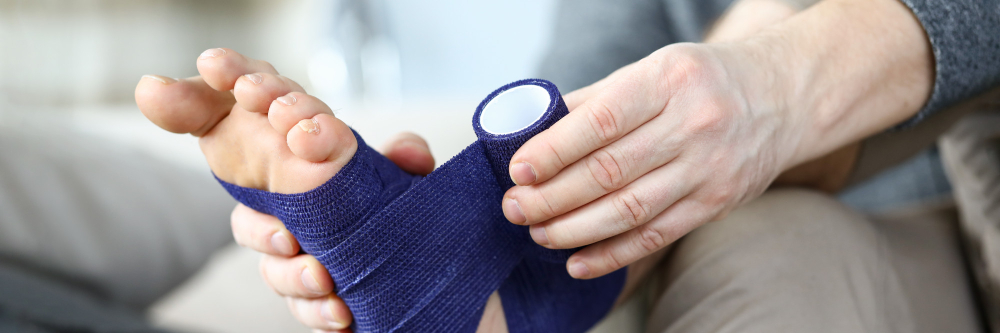
- Cover it loosely. Use a sterile, padded dressing to cushion the spot and reduce friction.
- Reduce pressure. Change shoes or add padding so the blister is not rubbed again. Less friction means faster healing.
- Watch it daily. Check for changes in color, size, or drainage each day.
If the blister has already burst, do not remove the loose skin. Clean it, apply an antibiotic ointment, and cover it.
Spotting the Signs of Infection
An infected blister needs prompt attention. Watch for these warning signs:
- Increasing pain instead of steady improvement
- Redness spreading beyond the blister
- Warmth around the area
- Green or yellow pus
- Fever or feeling unwell
If you notice any of these, do not wait. Reach out to a foot doctor or your care team the same day.
When to Call a Foot Doctor
A blister today can become a wound tomorrow if it is missed. Steady, gentle care changes that story. Keep feet clean and dry, choose shoes that fit well, and check the skin every day. These small habits prevent many common foot problems before they start.
Some foot injuries are beyond home care, and that is okay. Knowing your limits protects your loved one. Call a podiatrist if the blister will not heal, keeps coming back, or shows signs of infection. People with diabetes should have any foot wound checked early, since healing is slower and risks are higher.
When a foot injury needs expert eyes, our compassionate Podiatry team is ready to help. Reach out today by calling +1 718 367 2555 or visit us at 1797 Pitkin Avenue, New York, NY 11212 to schedule a visit and give your loved one the reliable, personalized care their feet deserve.
Our podiatry care team can assess wounds, treat infections, and create a plan to prevent future problems. Ongoing foot and ankle care is especially important when mobility or sensation is limited.
You do not have to manage this alone. A quick call can save weeks of worry.