Cellulitis is a bacterial skin infection that causes redness, warmth, and swelling—most often on the legs. While mild cases can be treated at home with antibiotics, worsening symptoms like spreading redness, fever, or skin blistering are signals that the infection needs emergency care right away.
Noticing a patch of red, swollen skin can feel alarming, especially if you are not sure what is causing it. Cellulitis is a common bacterial skin infection, but “common” does not mean it should ever be ignored. Left untreated, it can spread quickly—and in some cases, become life-threatening.
Recognizing cellulitis signs early gives you the best chance of a straightforward recovery. Knowing when a cellulitis infection needs ER care could save your life or your loved one’s.
Common Cellulitis Signs to Watch For
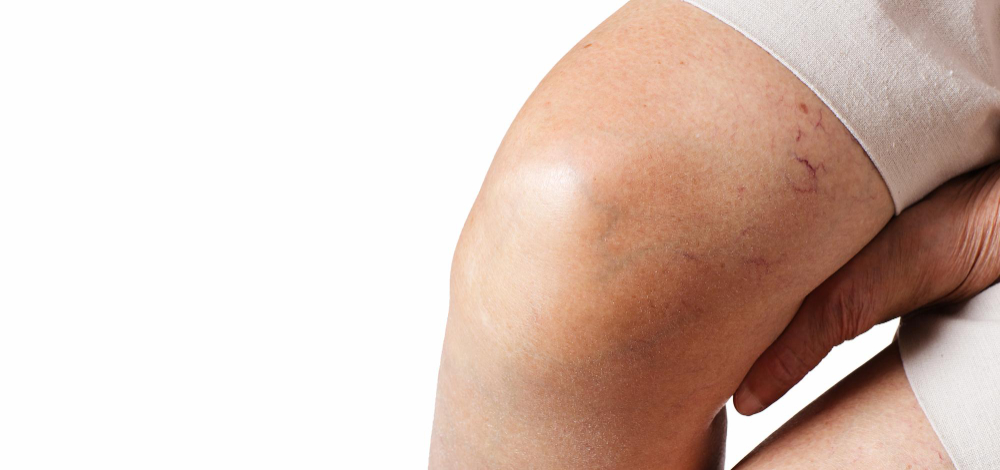
Cellulitis usually appears suddenly and affects one area of the body—most often the lower legs, though it can develop anywhere on the skin. The affected area becomes red, warm to the touch, and swollen. It is often tender or painful when pressed.
Other early signs include:
- Skin that feels tight or stretched over the affected area
- A rash that spreads outward from a central point
- Mild fever or chills, signaling your body is fighting infection
- Small red spots (petechiae) on or around the swollen skin
Early vs. Worsening Symptoms
Early cellulitis often looks like a localized patch of irritated skin. At this stage, oral antibiotics prescribed by a doctor are usually effective.
Worsening symptoms are a different matter. If the redness is spreading, if the skin begins to blister or develop dark patches, or if you or your loved one develops a high fever, shaking chills, or confusion, the infection is escalating. These are not symptoms to monitor from home.
When a Cellulitis Infection Needs ER Care
Most people with cellulitis do not need emergency care—but some do. The challenge is knowing which situation you are in.
Red Flags Requiring Emergency Attention
Go to the emergency room without delay if you notice any of the following:
- Rapidly spreading redness that enlarges within hours, not days
- High fever (above 102°F) accompanied by chills or shaking
- Skin blistering, blackening, or necrosis (tissue that appears to be dying)
- Severe pain that feels out of proportion to what you can see
- Red streaks extending from the infected area, which may indicate the infection has reached the lymphatic system
- Swollen lymph nodes near the site of infection
- Confusion, dizziness, or difficulty staying alert, which can signal sepsis
These red flags mean the infection is no longer contained. Sepsis—a life-threatening response to infection—can develop rapidly from untreated or undertreated cellulitis. When in doubt, go in.
How an Infectious Disease Specialist Can Help
Once an acute infection is stabilized, recurring or complicated cellulitis calls for a deeper level of care. An infectious disease specialist can identify why cellulitis keeps returning, determine whether an antibiotic-resistant bacterium is involved, and create a treatment plan tailored to your specific situation.
For those in the New York area, infectious disease doctors in Brooklyn can evaluate risk factors that a general practitioner might not have the time or training to investigate thoroughly—things like chronic venous insufficiency, lymphedema, or prior antibiotic exposure that may complicate treatment.
If you or a family member experiences cellulitis more than once, or if infections seem to be getting worse rather than better, seeing infectious disease doctors in Brooklyn is a meaningful next step, not an overreaction.
Take Action Before It Escalates
Cellulitis is treatable. Caught early and managed correctly, most people recover fully with oral antibiotics and rest. The risk comes from waiting—from hoping the redness will go away on its own, or from underestimating how fast a bacterial infection can spread.
By understanding cellulitis signs and knowing when a cellulitis infection needs ER care, you are already better prepared to act quickly and confidently. Our Infectious Disease care team is here to support you with expert infectious disease care, whether that means guiding your recovery after an emergency visit or helping prevent the next infection before it starts. Reach out today by calling + 1-718-367-2555 or visiting us at 1797 Pitkin Avenue, Brooklyn, NY 11212 to speak with one of our infectious disease specialists.