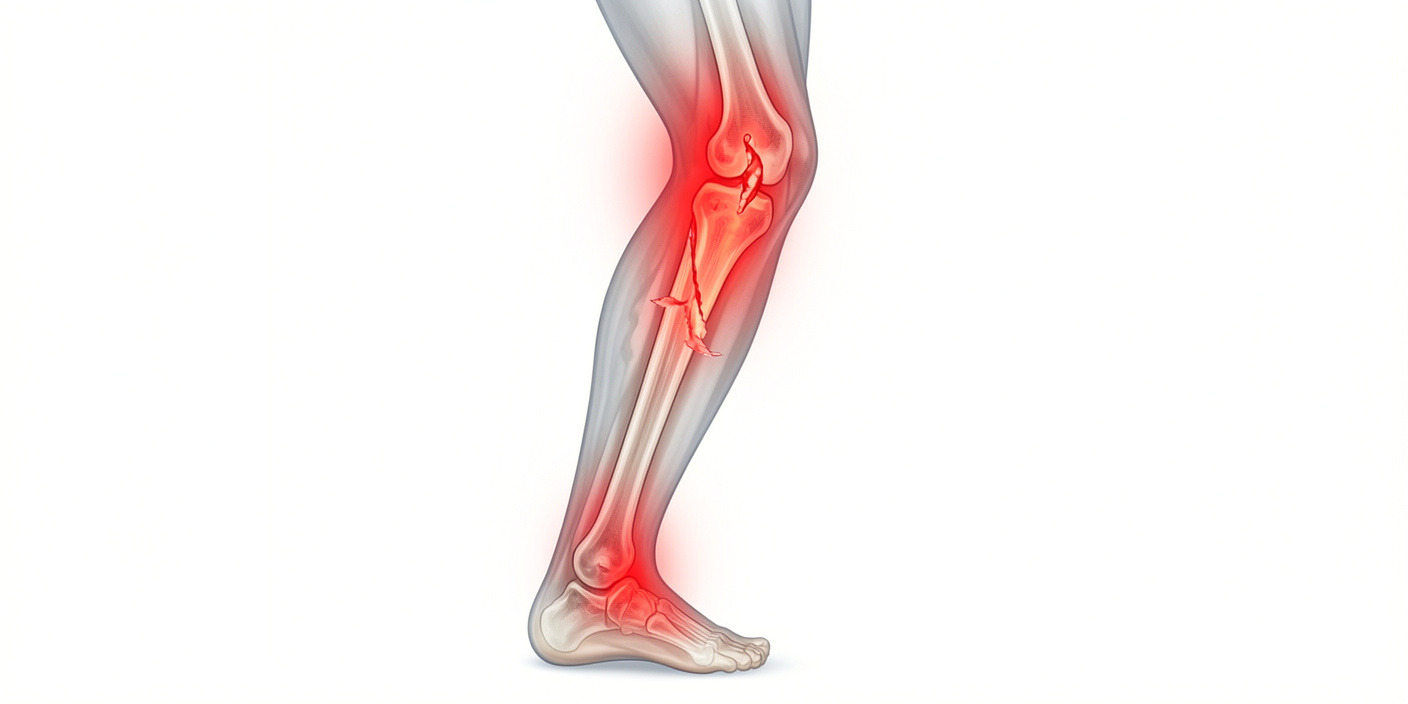
Long before the invention of modern radiography, medical pioneers, dating as far back as the Edwin Smith Papyrus, were already categorizing bone fractures. Early doctors understood that the way a bone breaks dictates not only the healing process but the intensity of the patient’s pain.
Today, understanding these classifications is essential for Pain Management in Brooklyn. Whether you are dealing with lingering lower back pain from a spinal fracture or knee instability following an accident, identifying the nature of the break helps specialists facilitate consistent care and a better prognosis.
Visit the best Pain Management Clinic in Brooklyn at Doral Health & Wellness, or log on to https://doralhw.org/contact-us/ to schedule an appointment with us.
1. Morphological Classifications (Appearance)
The physical pattern of a fracture often determines the type of pain intervention needed:
Transverse & Oblique: Straight or angled breaks across the bone.
Stellate: Fracture lines that radiate from a central point, often seen in the kneecap (patella).
Comminuted: The bone has shattered into more than two pieces. This type often involves significant soft-tissue damage and higher levels of acute inflammatory pain.
Spiral: A “twist” break, common in sports injuries, which can cause complex nerve irritation.
2. Etiology: How the Injury Occurred
Pain management doctors look at the mechanism of injury to predict “referred pain” patterns:
Traumatic Violence: Fractures from falls or accidents. “Direct violence” occurs at the impact site, while “Indirect violence” causes a break at a distance (e.g., falling on an outstretched hand and fracturing the collarbone).
Muscular Violence: A sudden, violent muscle contraction can actually pull a bone apart, such as an avulsion fracture of the patella.
Stress Fractures: Common in NYC runners, these are “overuse” injuries that often manifest as a dull, persistent ache rather than sharp pain.
3. Pathological & Metabolic Fractures
Sometimes, a bone breaks because it has been weakened by an underlying condition. These fractures require a specialized, interdisciplinary approach:
Metabolic: Weakness caused by nutrient deficiencies (like Rickets).
Neoplastic: Fractures caused by bone cancers or metastatic lesions. In these cases, pain management is focused on palliative care and stabilizing the bone to improve the patient’s quality of life.
4. Stability and Skin Integrity
Closed (Simple) vs. Open (Compound): An open fracture, where the bone pierces the skin, carries a high risk of infection and requires immediate surgical and pain intervention.
Greenstick Fractures: Primarily seen in children under five, these involve a bone that bends and cracks rather than snapping, requiring gentle stabilization as the “soft” bone heals.
Impacted Fractures: One fragment of bone is driven into another. While they may seem “stable,” they can lead to long-term joint pain if the alignment isn’t perfect.
Managing Fracture Pain in Brooklyn
A healed bone does not always mean the end of pain. Many patients suffer from complex regional pain syndrome (CRPS) or chronic nerve entrapment following a major break.
At Doral Health & Wellness, our integrated team, including Orthopedists and Pain Management Doctors, specializes in the transition from acute injury to long-term recovery. We use the latest in interventional pain medicine to ensure that a fracture doesn’t turn into a lifetime of chronic discomfort.
Are you struggling with pain following a recent injury? Schedule a consultation at our Brooklyn clinic to discuss your diagnostic options and a personalized pain management plan. Contact Doral Health & Wellness Pain Relief Department in Brooklyn to get professional help and guidance on how to manage chronic pain. Call us at +1-718-367-2555 to get a consultation. If you need help learning coping methods, register your information and make direct contact with our doctors at https://yuz88hfiyh7.typeform.com/Doralintake. Log on to www.doralhw.org. Or visit us at 1797 Pitkin Avenue, Brooklyn, NY 11212.