Will combining massage therapy with other palliative care services be beneficial? Many severely ill people or those near the end of life are confused about whether to consider complementary therapies or get specific massage sessions for their condition. Massage therapy benefits are gaining popularity, so it is worth considering it with other palliative care services. Read this article to learn the benefits of combining massage therapy with other palliative care services. Visit the best Pain Management Clinic in Brooklyn at Doral Health & Wellness or log on to www.doralhw.org.
Massage Techniques Tailored to Palliative Care Needs
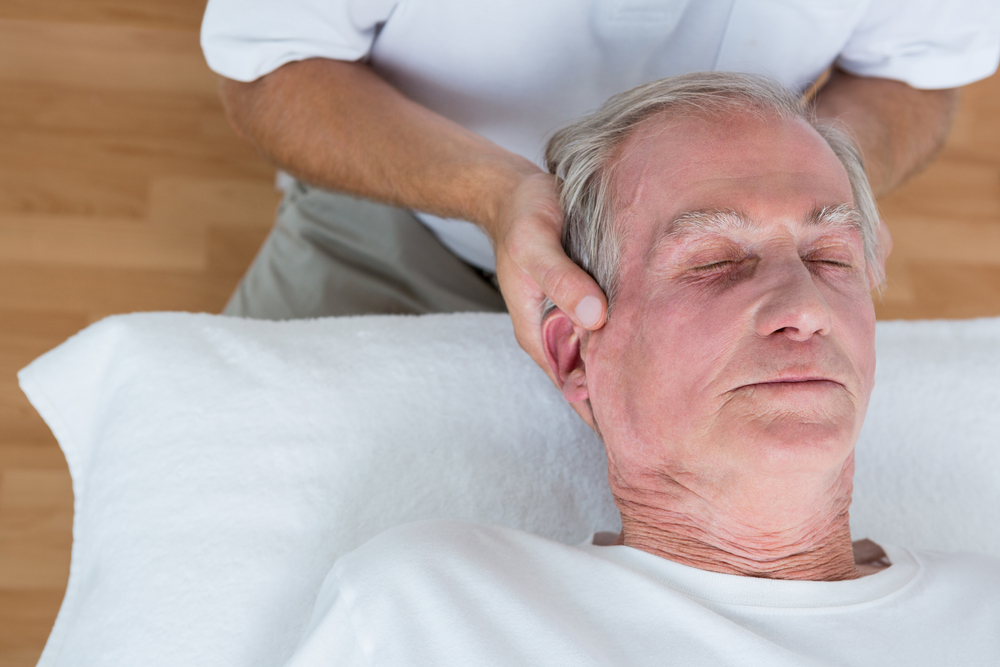
Massage therapists who work in palliative care use their techniques to address the specific, usually changing needs of the patient. Common techniques may include:
- Gentle, rhythmic strokes provide relaxation.
- Light, non-invasive touch that doesn’t aggravate pain or discomfort.
- Passive joint movements to promote good joint mobility.
- Attention to pressure points that can release the tension without deep tissue work.
Keep in mind, illness can vary greatly from one patient to another. So, the precautions need to be taken depending on the patient’s disease and stage of illness. For instance, a patient with Parkinson’s disease needs a massage therapist who knows to take precautions during walking or transferring the patient from a walker or wheelchair to the massage table. Patients with Alzheimer’s disease might not even remember the therapist or use of a massage table. They might even be agitated or combative if confused. Massage therapists need to be prepared for this and consider how they should communicate with such individuals or calm them down.
Similarly, when handling cancer patients, they need to consider their energy and pain levels. Therapists need to ensure that they are mindful of the patient’s treatment history and ensure that they don’t compromise his or her lymph system. Ambulatory and active patients with any type of life-threatening illness might need a tolerable massage to the same degree as someone with back, neck, and shoulder pain. Such patients might tolerate medium pressure and a 60-minute massage without any site or position modifications.
Performing an assessment provides information to determine what restrictions apply. Any modifications are needed to ensure the safety and comfort of the patient regarding the patient’s position and length of the treatment. It is important to be aware of tolerance changes during the treatment that might need further modification. At times, you may have initially assessed that there is no need for shorter-than-usual massages. However, the patient’s level of fatigue, degree of pain, or quality of pain can change during the massage, forcing you to make further modifications. The patient may no longer tolerate the same pressure and want to discontinue the treatment.
Questions to ask the massage therapist
Here are some of the questions you should ask your massage therapist:
- Is massage therapy safe for someone diagnosed with a chronic and/or terminal illness?
Ans. Yes, the gentle and appropriately adjusted massage is safe for clients who are diagnosed with a chronic or end-stage terminal illness. Massage therapy can support the person throughout all stages of their illness. If the person is diagnosed with cancer, the massage therapist must be trained in oncology massage to ensure how to adjust the massage according to the needs of the client. The therapist will create your treatment plan based on the diagnosis, presenting symptoms, conventional medical treatments, medications, and desired treatment outcomes.
- Are there any reasons why a massage would not be appropriate for you?
Ans. The massage may not be appropriate for you if you’re currently unwell with an infection, such as the flu or a virus, or your medical specialist recommends not considering massage.
- If you have had surgery or radiation to any lymph node areas, ask what precautions are taken to reduce the risk of lymphoedema.
Ans. A properly trained therapist knows how to make changes in massage to ensure that the risk of lymphoedema is reduced. Following surgery or radiation to nodes, the risk of lymphedema is always possible. Lymphoedema is a chronic condition that needs daily management and is triggered by massage if it is too forceful and inappropriate. If your therapist is not familiar with this term, then consider another therapist.
- What recent experience in palliative care has the therapist undertaken to work with you and your specific medical condition?
Ans. The therapist may work for or with a community-based palliative organization, hospital, hospice, or aged care facility to offer massage therapy to palliative clients. You can ask the therapist when they completed their training and how long they have worked with palliative clients. You might also want to know how clients have responded to their treatments.
- What qualifications does the therapist require to offer massage therapy to a client with a life-limiting illness?
Ans. The minimum requirement for the massage therapist is a diploma in remedial massage or equivalent. Further, training in oncology massage or palliative care massage should be successfully completed by the therapist. Your therapist should hold a current First Aid Certificate, become a member of a professional massage association, and have Professional Indemnity and Public Liability Insurance.
Here are some more questions you can ask about therapy to find more information:
- Is there any specific therapy used for cancer patients or people with other diseases?
- Are there any side effects of massage therapy?
- Who will be involved in performing the therapy?
- What are the practitioner’s qualifications, and where are they registered as professionals?
- What are the costs of the therapy or are they covered under my health insurance?
- Will this therapy affect my conventional medical treatment?
- What does the therapy aim for?
You should always feel safe, comfortable, and respected when you take any form of complementary therapy.
The Benefits of Massage Therapy in Serious Illness
Clinicians who have worked with massage therapists find that the potential benefits of a massage therapist can go far beyond managing pain and anxiety. Many oncology nurses who work with palliative-trained therapists reported that patients under massage therapist care have developed better moral distress relief techniques or are more willing to participate in other therapies or procedures.
Massage therapists need to be very careful in sharing interpersonal exchanges with clients and patients. Communication is the foundation for massage therapy sessions based on expectations of what is “Okay,” to talk about and what is “out of bounds.” As a result, many massage therapists might be unprepared to navigate intimate, interpersonal exchanges with clients and patients. Luckily, with guidance from interdisciplinary team members, they learn how to stay within their scope while connecting powerfully with patients and families. When a massage therapist acquires these skills of palliative communication, patients and families share things they might not share with other care team members. Massage therapists are not psychotherapists, but they are well-mentored about how to work with people with serious illness, and how to listen and receive a patient’s experience in a way that leaves them feeling seen and heard. This also allows them to understand the importance of shared information and how to use it to support team-based care.
Things to keep in mind
Keep in mind that integrating palliative care doesn’t mean avoiding the gold-standard symptom management therapies but rather advocates a wider range of treatment options for the common challenges that patients experience to optimize goals for their well-being. Many individuals who are interested in taking an integrative approach to their health may combine integrative medicine with their care plan. Anytime a new therapy is considered, you should discuss this with your providers on the team and perform an interaction check to ensure it is a safe and effective intervention.
Combining massage therapy with other palliative care services is a good option for people who suffer from serious illness or are near the end of life. It offers many benefits and allows the patients to share their thoughts with massage therapists, which might not be possible with another care team. This intervention is safe and effective for the patient while maintaining their well-being.
If you need help to get massage therapy, visit our pain management clinic in Brooklyn to get professional medical help which ensures what type of palliative care and massage therapists are suitable for you. Call us to book your appointment now!!!! If your pain needs professional assistance, visit our pain management clinic in Brooklyn today or call to get a consultation. The location at 1797 Pitkin Avenue, Brooklyn, NY 11212 is well-served by public transportation, including many bus routes, and the subway line. Visit our website at https://doralhw.org/department/pain-management/ or contact us on +1-718-367-2555 for additional details.