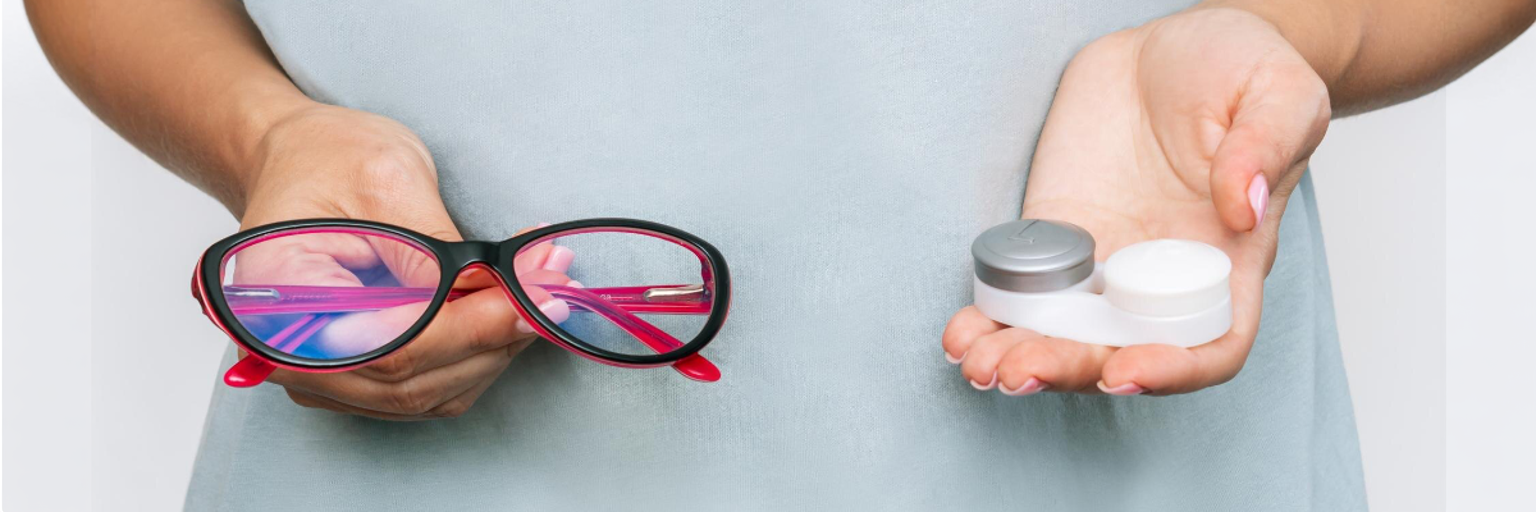
For millions of people worldwide, the daily routine begins with a simple but crucial choice: reaching for a pair of glasses or inserting contact lenses. This decision shapes how you interact with the world, impacting everything from your comfort at work to your performance in sports. Choosing between contact lenses vs glasses is rarely a one-size-fits-all scenario; it depends heavily on your lifestyle, budget, and specific vision correction needs. Both options offer distinct advantages and drawbacks. By understanding the key differences and following professional eye care tips, you can make an informed decision that ensures optimal eye health and clarity.
At Doral Health & Wellness, we are dedicated to providing our community with comprehensive medical services in a state-of-the-art facility. Our team of experienced professionals is committed to the health and well-being of our patients, offering expert guidance and trusted care. We are here to support your vision needs through precise examinations and personalized recommendations at our advanced Brooklyn eye clinic.
Evaluating Vision Correction Options
When you visit an eye care professional, the goal is always clear, comfortable vision. However, the path to achieving that varies. Glasses have been the standard for centuries, offering a reliable and low-maintenance solution. Contact lenses, conversely, provide a more natural field of view and freedom from frames.
To determine the best fit for you, it is helpful to consult with a qualified professional. Searching for an “eye doctor near me” is the first step toward a personalized assessment. A comprehensive exam will reveal not just your prescription, but also the health of your corneas and tear film, which are critical factors in wearing contacts comfortably.
The Case for Glasses: Reliability and Style
Eyeglasses remain a popular choice for vision correction for several compelling reasons. They are easy to use, require minimal maintenance, and can serve as a stylish accessory.
Health and Maintenance Benefits
One of the primary advantages of glasses is the reduced risk of eye infections. Since there is no need to touch your eyes directly, the likelihood of introducing bacteria is significantly lower.
- Ease of Use – Glasses are simple to put on and take off, requiring no special cleaning solutions or cases throughout the day.
- Eye Protection – Lenses can act as a physical barrier against environmental factors like wind, dust, and debris.
- Cost-Effectiveness – generally, glasses are cheaper over the long term since they do not need frequent replacement like disposable contacts.
Aesthetic and Lifestyle Considerations
Modern frames come in endless styles, allowing wearers to express their personality. Furthermore, glasses can be made with special coatings.
- Blue Light Filtration – Many lenses now come with coatings that block blue light from screens, reducing digital eye strain.
- Photochromic Options – Lenses that transition to sunglasses outdoors offer convenience for those sensitive to light.
If you are looking for an “ophthalmologist in NY” to discuss specialty lenses, ensuring they have a wide optical selection is beneficial.
The Case for Contact Lenses: Freedom and Function
For those who lead active lifestyles or dislike the look of frames, the debate of contact lenses vs glasses often leans heavily toward contacts. They sit directly on the eye, moving with you to provide a seamless visual experience.
Visual Advantages
Contacts provide a wider field of view than glasses. Because they conform to the curvature of your eye, they eliminate the peripheral distortions and frame obstructions common with spectacles.
- No Fogging – Unlike glasses, contacts will not fog up when you enter a warm room from the cold or while wearing a face mask.
- Natural Vision – Objects appear in their actual size and position, whereas high-prescription glasses can sometimes magnify or minify images.
Lifestyle Benefits
For athletes and outdoor enthusiasts, contacts are often superior.
- Stability – They do not slip down your nose or bounce during vigorous activity.
- Compatibility – You can wear non-prescription sunglasses or safety goggles over them without bulk or discomfort.
Finding a reputable provider of ophthalmology near me is crucial for getting properly fitted for contacts. An ill-fitting lens can cause corneal abrasions or infections.
Essential Eye Care Tips for Both Options
Regardless of your choice, maintaining eye health is paramount. Neglecting proper care can lead to discomfort or long-term damage.
For Contact Lens Wearers
- Hygiene First – Always wash your hands thoroughly before handling your lenses.
- Follow the Schedule – Adhere strictly to the replacement schedule prescribed by your doctor (daily, bi-weekly, or monthly).
- Overnight Wear – Avoid sleeping in your contacts unless they are specifically designed for extended wear, as this increases infection risk.
For Glasses Wearers
- Cleaning – Use a microfiber cloth and lens spray. Using your shirt or paper towels can scratch the lenses.
- Storage – When not in use, keep your glasses in a hard case to prevent bending or breaking.
- Adjustments – Visit your “Brooklyn eye clinic” periodically to have your frames adjusted so they sit correctly on your face.
Consulting with an Expert
The decision between contacts and glasses is not necessarily exclusive; many people choose a hybrid approach. For example, wearing contacts for sports and social events, while switching to glasses for work or relaxation at home. This strategy allows your eyes to breathe and reduces the risk of irritation from overuse of contacts.
To explore this hybrid option, you need a thorough evaluation. When searching for an “ophthalmologist in NY” or an “eye doctor near me,” look for a practice that takes the time to discuss your daily activities. They can help you weigh the pros and cons based on your specific tear production and corneal health.
Addressing Common Concerns
- Astigmatism – In the past, contacts were difficult for those with astigmatism. Today, toric lenses offer excellent stability and clarity.
- Presbyopia – For those needing reading glasses, multifocal contacts are now a viable and effective alternative to bifocal glasses.
- Dry Eyes – While contacts can exacerbate dry eyes, new lens materials allow for better moisture retention and breathability.
Making the Right Choice for Your Eyes
Ultimately, the contact lenses vs glasses decision is personal. It balances your desire for convenience, your aesthetic preferences, and your visual needs.
- Glasses are ideal if you want a low-maintenance, cost-effective solution that protects your eyes and adds to your style.
- Contacts are perfect if you prioritize a full field of vision, lead an active lifestyle, or prefer a natural look without frames.
Regular exams at a trusted facility like a Brooklyn eye clinic ensure that whichever method you choose, your prescription is accurate and your eyes remain healthy. Ignoring changes in vision or discomfort can lead to headaches and eye strain, so professional guidance is essential.
Prioritizing your vision is an investment in your quality of life. Whether you choose the sharp style of frames or the invisible freedom of contacts, expert vision correction helps you see the world clearly and confidently.
Your vision is our priority, and we are here to help you see the world with clarity and comfort. If you are ready to schedule an exam or discuss your options, contact Doral Health & Wellness today at 1-718-365-2555 or visit us at 1797 Pitkin Avenue, Brooklyn, New York 11212. Our dedicated team is prepared to provide the professional, comprehensive care you deserve.
For general information about Doral Health & Wellness services, you can contact or email info@doralhw.org.