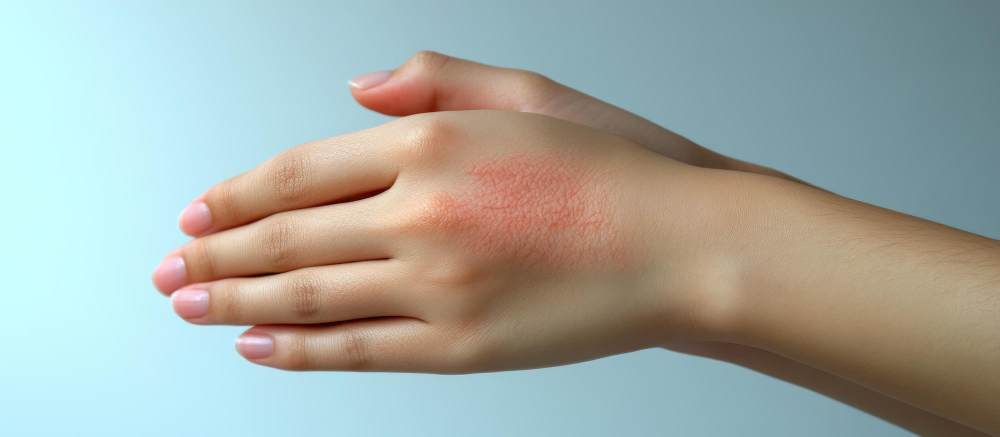
Eczema flare-ups are caused by a combination of environmental allergens, household products, stress, and food sensitivities. Identifying your personal triggers is one of the most effective ways to reduce the frequency and severity of flares. An allergist or immunology specialist can help confirm specific triggers through testing.
Your skin finally calms down. Then the itching returns, and the redness spreads. If this cycle sounds familiar, you are not alone. Eczema, also known as atopic dermatitis, affects approximately 20% of children and up to 14% of adults in the United States. Managing it is rarely as simple as finding one solution. For many people, the missing piece is knowing what is triggering their flare-ups in the first place.
Common Eczema Triggers You Might Be Missing
Eczema flare-ups rarely have a single cause. Your genetics set the stage, but everyday exposures often tip the balance. Here are the trigger categories most commonly overlooked.
Environmental Triggers
Dust mites, pollen, pet dander, mold, and cold air are among the most well-documented environmental causes of eczema flares. Among patients who are sensitized to dust mites, research shows that 70–100% display immune reactivity to major mite allergens, and up to one-third report worsening eczema symptoms after exposure. Cold, dry air compounds the problem by pulling moisture from already vulnerable skin — studies show eczema prevalence is notably higher in dry climates compared to humid ones.
Pollen is another overlooked culprit. Research has found that approximately 36% of children with difficult-to-treat eczema experience worse symptoms during pollen season.
Small adjustments can make a real difference. Washing bedding weekly in hot water, using allergen-proof mattress covers, and maintaining indoor humidity below 50% are practical steps worth trying.
Household and Skincare Products
The products you use every day may be working against your skin. Soaps and cleansers with surfactants strip away the natural oils that protect your skin barrier. Laundry detergent residue stays on fabric long after the wash cycle ends, sitting against your skin for hours. Fragrances — found in everything from lotions to cleaning sprays — are among the most frequent contact irritants for people with eczema.
Choosing fragrance-free, dye-free detergents and running an extra rinse cycle are simple changes. Reading ingredient labels on skincare products before purchasing can save your skin from unnecessary irritation.
Stress and Emotional Factors
Stress does more than affect your mood. It directly disrupts your skin. When you experience stress, your body activates the HPA axis, triggering the release of cortisol and inflammatory chemicals. In one focus group study, all 28 participants with atopic dermatitis confirmed that stress made their symptoms worse. Over time, chronic stress can blunt cortisol production entirely, leaving inflammation with less resistance.
The relationship runs in both directions. Eczema itself causes emotional distress, and research links the condition to higher rates of anxiety and depression. Addressing stress through regular exercise, adequate sleep, and techniques like mindfulness can have a measurable effect on your skin.
Food-Related Triggers
Food sensitivities are a real but often misunderstood part of eczema management. Approximately 30% of children with atopic dermatitis have a confirmed food allergy, compared to 4–10% in the general pediatric population. Eggs, cow’s milk, wheat, soy, and peanuts are the most commonly implicated foods.
One reason food triggers are so hard to identify: reactions are often delayed. Symptoms may appear anywhere from two to six hours after eating the trigger food. Keeping a food diary can help you spot patterns over time.
Elimination diets should not be attempted without professional guidance. Removing foods without testing can lead to nutritional gaps, particularly in children.
When to See a Specialist
Home management works for many people. But some situations call for professional evaluation. If your symptoms are not responding to over-the-counter treatments after two to three weeks, are disrupting your sleep, or are spreading despite your best efforts, it is time to see a specialist.
Both allergists and dermatologists can evaluate and treat eczema. An allergist can identify specific food and environmental triggers through allergy testing and recommend targeted avoidance strategies or immunotherapy. For complex cases, seeing both a dermatologist and an allergist is often the most effective path. If you are based in the New York area, visiting an immunology clinic in Brooklyn gives you access to specialists who can run comprehensive testing and build a personalized management plan.
Take the Next Step Toward Clearer Skin
Knowing your triggers is the foundation of managing eczema well. By identifying what is causing your flares, you can make informed decisions about your environment, your products, and your care.
Our allergist team is here to support you. Whether you are managing eczema yourself or seeking guidance for a family member, our team will work with you to find answers and build a plan that fits your life. Reach out today to schedule a consultation by calling +1-347-384-5690 or visit our clinic at 1797 Pitkin Avenue, Brooklyn, NY 11212 to help you manage your allergies.