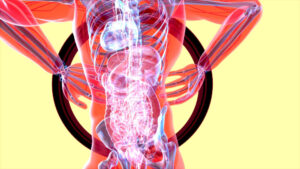
Your liver is one of the hardest-working organs in your body, performing hundreds of vital functions. However, a condition known as fatty liver disease is becoming increasingly common, posing a silent threat to this essential organ. This disease occurs when excess fat builds up in the liver, which can lead to inflammation and damage if left unaddressed. Fortunately, with the right knowledge, including effective liver health tips and timely gastroenterology care, the condition is often reversible. Understanding what fatty liver disease is and the steps you can take to manage it is fundamental for your long-term health.
At Doral Health & Wellness, we are proud of our commitment to the East New York community to provide integrated interdisciplinary health services in an innovative medical facility dedicated to the health and well-being of our patients. Our specialists deliver trusted medical treatments and personalized quality care to guide you through every step of your health journey. We provide a supportive and reassuring environment where you can receive expert care for all your gastroenterology needs.
What Is Fatty Liver Disease?
Fatty liver disease is a condition characterized by the accumulation of excess fat in liver cells. While it is normal for the liver to contain a small amount of fat, it becomes a problem when fat makes up 5% to 10% of the liver’s weight. There are two main types of this condition.
Alcoholic Fatty Liver Disease (AFLD)
This form of fatty liver is caused by heavy alcohol consumption. The liver breaks down most of the alcohol you drink, but this process can generate harmful substances that damage liver cells, promote inflammation, and weaken your body’s natural defenses.
Nonalcoholic Fatty Liver Disease (NAFLD)
NAFLD is a type of fatty liver disease that is not related to heavy alcohol use. It is the most common chronic liver condition in Western countries. The exact cause is not fully understood, but it is strongly linked to obesity, insulin resistance, high blood sugar, and high levels of fats in the blood. When NAFLD progresses to cause inflammation and liver cell damage, it is called nonalcoholic steatohepatitis (NASH), which can lead to scarring (cirrhosis) and liver failure.
Recognizing the Signs and Symptoms
One of the most concerning aspects of fatty liver disease is that it often has no symptoms, especially in its early stages. This is why it is frequently referred to as a “silent” disease. When symptoms do occur, they can be vague and may include:
- Fatigue or weakness
- A feeling of fullness or pain in the upper right abdomen
- Unexplained weight loss
- Slightly elevated liver enzymes found on a routine blood test
Because of the lack of clear symptoms, many people are unaware they have the condition until it has progressed. This underscores the importance of regular check-ups, especially for individuals with risk factors.
Key Risk Factors for NAFLD
Certain health conditions and lifestyle factors significantly increase your risk of developing nonalcoholic fatty liver disease.
- Obesity – This is the most common risk factor.
- Type 2 Diabetes – The majority of people with type 2 diabetes have some form of NAFLD.
- Metabolic Syndrome – A cluster of conditions that includes high blood pressure, high blood sugar, excess body fat around the waist, and abnormal cholesterol levels.
- High Cholesterol or Triglycerides – High levels of fats in the blood contribute to fat accumulation in the liver.
Effective Liver Health Tips for Reversing Fatty Liver Disease
The most powerful tool in combating and reversing fatty liver disease is lifestyle modification. There are currently no medications specifically approved to treat NAFLD, making these changes the cornerstone of management.
- Achieve and Maintain a Healthy Weight
Losing weight is the most effective way to reduce fat, inflammation, and scarring in the liver.
- Gradual Weight Loss – Aim to lose 7% to 10% of your body weight over time. Rapid weight loss can actually worsen the condition.
- Adopt a Liver-Friendly Diet
Focus on a balanced diet rich in nutrients.
- Embrace Whole Foods – Eat plenty of fruits, vegetables, whole grains, and lean proteins.
- Choose Healthy Fats – Opt for monounsaturated and polyunsaturated fats found in olive oil, avocados, and nuts.
- Limit Processed Foods – Reduce your intake of foods high in sugar, refined carbohydrates, and saturated fats.
- Engage in Regular Physical Activity
Exercise helps you lose weight and can directly reduce fat in the liver.
- Aim for Consistency – Strive for at least 150 minutes of moderate-intensity exercise, such as brisk walking, per week.
- Control Associated Medical Conditions
Managing conditions like diabetes and high cholesterol is crucial for your liver health. Follow your doctor’s recommendations for medication and monitoring.
The Role of Professional Gastroenterology Care
While lifestyle changes are vital, professional guidance is essential for a safe and effective approach. If you are concerned about your liver health, searching for a “gastroenterologist near me” is a critical step. A specialist at a gastroenterology clinic in Brooklyn can provide a comprehensive diagnosis and a personalized management plan.
Diagnosis may involve:
- Blood Tests – To check liver enzyme levels.
- Imaging Studies – An ultrasound or MRI can detect fat in the liver.
- Liver Biopsy – In some cases, a small sample of liver tissue may be taken to determine the severity of the disease.
Expert gastroenterology care ensures that you receive an accurate diagnosis and guidance tailored to your specific health needs. For anyone seeking to improve their gut health in NYC, this professional partnership is invaluable.
Fatty liver disease is a serious but often reversible condition. By understanding its causes and risk factors, you can take proactive steps to protect your liver. The foundation of treatment lies in consistent, positive lifestyle changes. Incorporating crucial liver health tips like maintaining a healthy weight, adopting a balanced diet, and exercising regularly can halt and even reverse the accumulation of fat in your liver. However, professional guidance is key. A partnership with a specialist ensures you are on the right path, providing the expert diagnosis and ongoing support necessary to restore your liver health and safeguard your overall well-being.
Your health is our priority. To schedule a comprehensive evaluation of your liver health and receive a personalized care plan, contact Doral Health & Wellness today at 1-718-365-2555 or visit us at 1797 Pitkin Avenue, Brooklyn, New York 11212. We are committed to providing the supportive and expert care you deserve. For general information about Doral Health & Wellness services, you can contact or email info@doralhw.org.