Puberty can be a confusing time, filled with rapid changes that can make it difficult to know what’s normal and what’s not. Among the various puberty concerns in girls, the possibility of Polycystic Ovary Syndrome (PCOS) is a significant one. This common hormonal disorder can begin during the teen years, but its symptoms are often mistaken for typical adolescent issues. Recognizing the early warning signs is crucial for timely diagnosis and management. A visit to a gynecologist for teens or a specialized teen women’s health clinic can provide the clarity and care your daughter needs. An adolescent gynecologist in New York can be a valuable partner in navigating this journey.
If you have concerns about your daughter’s health, seeking specialized care is the best course of action. The team at Doral Health & Wellness is experienced in addressing the unique health needs of young women, providing a compassionate and supportive environment for both patients and their families.
What is Polycystic Ovary Syndrome (PCOS)?
PCOS is a hormonal imbalance that affects women of reproductive age. The name comes from the small cysts that may form on the ovaries, but the condition is more complex than that. It is primarily characterized by an overproduction of androgens, which are often called “male hormones,” although all women produce them in small amounts. This hormonal imbalance can disrupt the menstrual cycle and lead to a range of symptoms that affect a teen’s physical and emotional well-being.
Diagnosing PCOS in adolescents can be tricky because some of its key signs, like irregular periods and acne, are also common features of normal puberty. This overlap makes it essential to consult with a provider who has experience in pediatric and adolescent gynecology in NYC.
Key Signs of PCOS in Teenagers
While symptoms vary from person to person, there are several common indicators that may point to PCOS. Paying attention to these patterns can help you decide when it’s time to seek a professional opinion from a gynecologist for teens.
Irregular Menstrual Cycles
This is one of the most common signs. While it’s normal for periods to be somewhat irregular for the first year or two after menstruation begins, persistent irregularity beyond that point is a red flag.
Signs of concern include:
- Infrequent periods – Having fewer than eight periods a year.
- Frequent periods – Menstrual cycles that are shorter than 21 days.
- Amenorrhea – Missing periods for three or more consecutive months.
- Heavy or prolonged bleeding – Periods that are unusually heavy or last longer than seven days.
Signs of High Androgen Levels
Excess androgens can cause noticeable physical symptoms. These are often some of the most distressing puberty concerns in girls because of their visible nature.
Watch for:
- Hirsutism – The growth of coarse, dark hair in areas where men typically grow hair, such as the face, chin, chest, and back.
- Severe Acne – Persistent acne that doesn’t respond well to standard over-the-counter treatments. This acne is often cystic and may appear on the face, chest, and upper back.
- Hair Thinning – Thinning hair or hair loss from the scalp, similar to male-pattern baldness.
Other Physical and Metabolic Signs
PCOS is also linked to metabolic issues, which can present other physical signs.
- Weight Gain or Difficulty Losing Weight – Many teens with PCOS struggle with their weight, often gaining it easily, especially around the abdomen.
- Darkening of the Skin – Patches of thick, dark, velvety skin, known as acanthosis nigricans, may appear in body folds and creases like the neck, groin, and under the arms. This is often a sign of insulin resistance, a condition commonly associated with PCOS.
Why Early Diagnosis at a Teen Women’s Health Clinic Matters
Ignoring the signs of PCOS can lead to more significant health problems later in life. Early diagnosis and management can help mitigate these risks and improve a teen’s quality of life. An adolescent gynecologist in New York can develop a management plan tailored to your daughter’s specific needs.
Left unmanaged, PCOS can increase the risk of:
- Type 2 diabetes
- High cholesterol
- High blood pressure
- Heart disease
- Infertility in adulthood
- Endometrial cancer
Beyond the physical health risks, PCOS can take a toll on a teenager’s mental and emotional health. Dealing with acne, unwanted hair growth, and weight issues can impact self-esteem and lead to anxiety or depression. Finding a supportive teen women’s health clinic in Brooklyn or your local area ensures she receives holistic care.
Getting a Diagnosis: What to Expect
If you suspect your daughter may have PCOS, scheduling an appointment is the first step. If you’re searching for a “teen gynecologist near me,” prioritize a provider experienced in adolescent health.
The diagnostic process typically involves:
- Detailed Medical History – The doctor will ask about your daughter’s menstrual history, symptoms, and family medical history.
- Physical Exam – This includes checking her height, weight, blood pressure, and looking for physical signs like acne, excess hair growth, and skin discoloration.
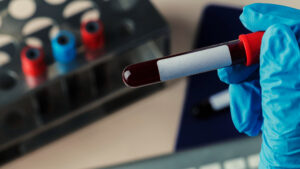
- Blood Tests – These are used to check hormone levels (including androgens and thyroid hormones) and blood sugar and cholesterol levels.
- Pelvic Ultrasound – An ultrasound may be recommended to check for cysts on the ovaries and examine the lining of the uterus. However, this is not always necessary for a diagnosis, especially in teens, as cystic ovaries can be a normal finding during puberty.
It’s important to understand that a PCOS diagnosis in teens is typically made if they have both irregular periods and signs of high androgen levels, after other possible causes have been ruled out.
Navigating puberty is challenging enough without the added complexities of a hormonal disorder like PCOS. By being aware of the early signs and advocating for your daughter, you can help her get the support she needs. Don’t dismiss persistent puberty concerns in girls as just a phase. A visit to a trusted healthcare provider can provide answers, relief, and a path forward for managing her health effectively.
Are you concerned your daughter might be showing signs of PCOS? Take the first step toward getting answers and expert care. The dedicated team at Doral Health & Wellness provides comprehensive evaluations in a welcoming environment at our specialized teen women’s health clinic. Contact Doral Health & Wellness today at 1-718-365-2555 or visit us at 1797 Pitkin Avenue, Brooklyn, New York 11212 to schedule an appointment. For general information about Doral Health & Wellness services, you can contact or email info@doralhw.org.