Does every step send a sharp pain through your heel or the ball of your foot? Living with pes cavus, or an abnormally elevated foot arch, can make walking feel like a difficult chore. Because your foot does not flatten normally when it strikes the ground, it absorbs shock poorly and places intense pressure on specific areas.
Finding lasting relief starts with a thorough high arch diagnosis. Once you know exactly what is causing your foot structure to change, you can explore the most effective treatment options for high arches. Early intervention prevents further joint damage and keeps you moving safely. Let us break down how medical professionals identify this condition and the therapies available to help you walk comfortably again. Get a consultation with the best Podiatrists in Brooklyn.
Navigating Your High Arches Diagnosis
Getting to the root of your foot pain requires a professional evaluation. Because underlying neurological conditions or genetics often cause elevated arches, doctors must perform a comprehensive and detailed exam.
Clinical Evaluation
When you visit a podiatrist, they will look closely at the shape of your foot while you stand. They evaluate your walking pattern and check the wear on your shoes, which often shows heavy wear on the outer edges. They typically check for:
- Thick calluses on the heel and ball of the foot.
- Hammertoes, clawed toes, or tight tendons.
- Muscle weakness in the lower legs and ankles.
Your doctor might also test your reflexes and ask about your family medical history to see if the trait is inherited.
Advanced Imaging and Testing
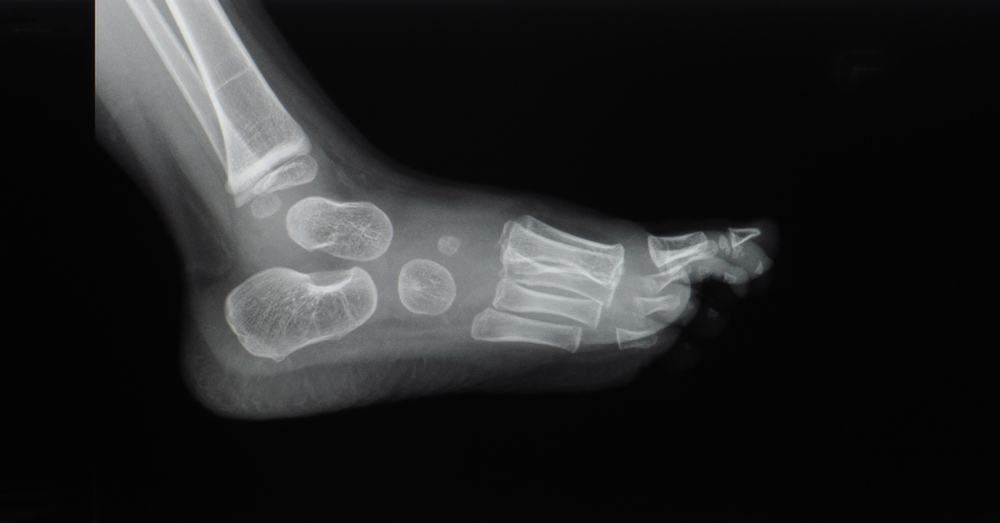
A simple visual check is usually not enough. To secure an accurate diagnosis of high arches, your doctor will likely order X-rays to look closely at your bone alignment while bearing weight. If they suspect a nerve issue, they might refer you for neurological testing to rule out conditions like Charcot-Marie-Tooth disease or muscular dystrophy.
Exploring Treatment Options for High Arches
Once your doctor understands your specific foot structure, they will help you build a personalized care plan. The primary goal is to relieve pain, improve your stability, and prevent further deformity. Fortunately, several treatment options for high arches work incredibly well without requiring surgery.
Conservative and Non-Surgical Relief
Most patients find significant comfort through simple, everyday adjustments. Common treatments include:
- Custom Orthotics: Specially molded shoe inserts provide extra cushioning and distribute your weight evenly across the entire foot.
- Proper Footwear: Wearing shoes with supportive midsoles, high tops, and wider heels prevents painful ankle sprains.
- Bracing: A lightweight ankle brace offers extra stability if you struggle with foot drop or severe weakness.
- Physical Therapy: Targeted stretching exercises help loosen tight calf muscles, strengthen your feet, and improve your overall balance.
Surgical Solutions
If conservative methods fail to relieve your severe pain, surgery might become necessary. A skilled podiatrist can perform specialized procedures to flatten the arch slightly, release tight tendons, or stabilize the ankle joint for better long-term mobility.
Why Choose a Podiatry Clinic in Brooklyn?
Managing complex foot conditions requires dedicated, ongoing care. If you live in the city, visiting a specialized podiatry clinic in Brooklyn makes getting expert help incredibly convenient. Local experts understand the daily demands of city walking and can tailor your recovery plan to fit your active lifestyle. A reputable podiatry clinic in Brooklyn will offer everything from custom orthotic fittings to advanced physical therapy and surgical consultations under one roof.
Reclaim Your Mobility Today
Living with an elevated arch does not mean you have to accept chronic pain as a normal part of life. By seeking a timely medical evaluation, you gain access to targeted therapies that protect your joints and restore your comfort.
Do you need help finding the right treatment options for high arches? Reach out to Doral Health & Wellness; we have Podiatrists with extensive education and expertise. Our address is 1797 Pitkin Avenue, New York, NY 11212. To make an appointment, please call + 1 718 367 2555, or register your information and make direct contact with us at https://yuz88hfiyh7.typeform.com/Doralintake or send an email to info@doralhw.org.