Do your feet ache intensely after a short walk? You might have a structural condition known as pes cavus. While flat feet often get most of the attention, having an elevated foot arch can cause just as much daily discomfort. Understanding the signs and symptoms of high arches is the first step toward finding lasting relief. When your arch sits too high, it places excess pressure on your heel and the ball of your foot. This unequal weight distribution leads to chronic pain, physical instability, and difficulty finding shoes that fit properly.
But what exactly triggers this structural shift in your foot? Exploring the root causes of high arches can help you and your healthcare provider build a highly effective treatment plan. Let us dive into what you need to know about this common condition and how targeted care can get you back on your feet comfortably. Get a consultation with the best Podiatrists in Brooklyn.
Identifying the Signs and Symptoms of High Arches
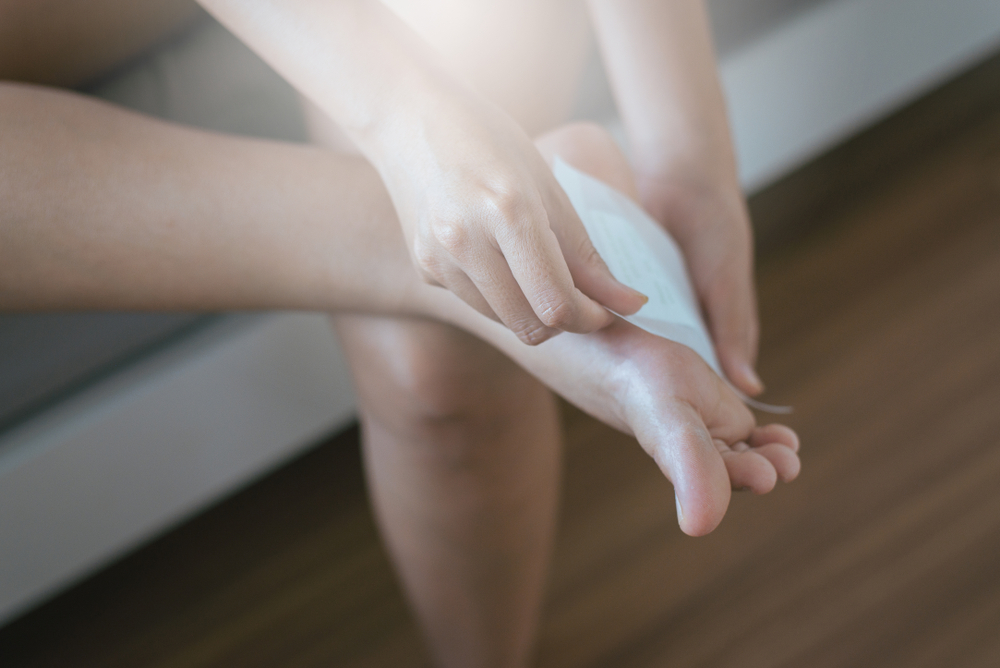
People with pes cavus often experience a distinct set of physical challenges. Because the middle of the foot does not make contact with the ground, the heel and the front of the foot absorb all your body weight. This excess stress leads to several noticeable issues.
Daily Discomfort and Foot Changes
If you suspect you have an elevated arch, look out for these common indicators:
- Chronic foot pain: A deep aching sensation usually strikes the heel or the ball of the foot, especially when standing or walking.
- Toe deformities: Many people develop hammertoes or claw toes due to strained tendons pulling the joints out of place.
- Thick calluses: Severe friction creates hardened, painful calluses on the heel and the sides of the foot.
- Ankle instability: A high arch tilts the foot slightly outward, increasing the risk of painful ankle sprains.
Uncovering the Root Causes of High Arches
Unlike flat feet, which often develop over time due to wear and tear, an elevated arch usually stems from an underlying medical issue. Identifying the precise causes of high arches helps doctors determine whether the condition will progressively worsen over time.
Genetics and Neurological Conditions
Medical experts trace most cases back to specific genetic traits or nervous system disorders. The most common triggers include:
- Hereditary factors: Many individuals simply inherit their foot structure from their parents. If this is the case, the arch will not change much over time.
- Charcot-Marie-Tooth disease: This genetic nerve disorder causes muscle weakness in the lower legs and feet, slowly pulling the foot into a high-arched position.
- Other neurological issues: Conditions like cerebral palsy, muscular dystrophy, spina bifida, and polio frequently affect muscle tone and bone alignment in the feet.
Why You Should Consult a Podiatrist
Living with foot pain is never normal. If you notice structural changes in your feet, visiting a dedicated podiatrist is crucial. A specialist will thoroughly evaluate your gait, test your muscle strength, and review your medical history to rule out serious neurological problems.
By seeking care at a top-tier podiatry clinic in Brooklyn, you gain access to customized treatment strategies. A podiatrist can prescribe custom orthotic inserts to cushion the impact and redistribute your weight evenly. They might also recommend specialized physical therapy exercises to stretch tight calf muscles and improve your balance.
Take the Next Step Toward Comfortable Movement
You do not have to let foot pain dictate your lifestyle. Recognizing the condition early allows you to manage it before joint damage occurs. Whether you need supportive footwear recommendations or custom orthotics, professional help is just an appointment away.
If you are experiencing discomfort, reach out to a local podiatry clinic in Brooklyn for a comprehensive exam. Reach out to Doral Health & Wellness; we have Podiatrists with extensive education and expertise. Our address is 1797 Pitkin Avenue, New York, NY 11212. To make an appointment, please call + 1 718 367 2555, or register your information and make direct contact with us at https://yuz88hfiyh7.typeform.com/Doralintake or send an email to info@doralhw.org.