Puberty is a time of profound change, but the timing can vary widely from person to person. For parents, it can be stressful when a daughter seems to be developing much earlier or later than her peers. These variations often lead to common puberty concerns in girls, leaving parents wondering what is normal and when it might be time to seek professional advice. Visiting a teen gynecologist at a specialized teen women’s health clinic can provide reassurance and expert evaluation to ensure your daughter’s development is on a healthy track.
If you have questions about your daughter’s development, the compassionate experts at Doral Health & Wellness are here to help. Our team specializes in adolescent health, providing a supportive environment to address your concerns and offer the highest standard of care.
Understanding the Timeline of Puberty
Puberty is the process of physical changes through which a child’s body matures into an adult body capable of sexual reproduction. In girls, this process is driven by hormones, primarily estrogen, and typically follows a predictable sequence. However, the “normal” age for these changes to begin can span several years.
On average, puberty in girls begins between the ages of 8 and 13. The first sign is usually the development of breast buds, known as thelarche. This is followed by the growth of pubic hair, a growth spurt in height, and finally, the start of menstruation (menarche).
What is Considered Early Puberty (Precocious Puberty)?
Early puberty, or precocious puberty, is when signs of sexual development begin before the age of 8 in girls. While it can be startling for both the child and parents, it’s important to know that in many cases, especially when it is just slightly early, no specific cause is found.
Signs of Early Puberty
- Breast development before age 8
- Pubic or underarm hair growth before age 8
- Starting her period before age 10
- Rapid height growth (a growth spurt)
- Development of acne or adult body odor
Why Evaluation by a Teen Gynecologist is Important
When signs of puberty appear early, it’s wise to consult a healthcare provider. A specialist, such as a teen gynecologist in NYC, will conduct a thorough evaluation to rule out any underlying medical conditions. This evaluation helps determine if the early development is a normal variation or a sign of a problem that needs treatment. Early intervention can be important for a child’s physical and emotional well-being.
Addressing Concerns About Late Puberty (Delayed Puberty)
On the other side of the spectrum is late puberty, also known as delayed puberty. This is diagnosed when a girl shows no signs of breast development by age 13 or has not started her period by age 15. Like early puberty, this is often just a normal, inherited pattern of development—if a mother was a “late bloomer,” her daughter might be too.
Signs of Late Puberty
- No breast budding by age 13
- More than five years have passed between the start of breast growth and the first period
- No period by age 15
How a Teen Women’s Health Clinic Can Help
If you have puberty concerns in girls related to delayed development, a visit to a teen women’s health clinic in Brooklyn can provide clarity. A provider will take a detailed family history and perform a physical exam. Sometimes, constitutional delay—a temporary delay in skeletal growth and puberty with no underlying physical abnormality—is the cause. In other cases, low body weight, excessive exercise, chronic illness, or certain genetic conditions could be factors. A specialist can help identify the cause and recommend a course of action.
The Evaluation Process at an Adolescent Gynecology Clinic
When you seek an evaluation for puberty timing concerns, the goal is to get a complete picture of your daughter’s health and development. Finding a trusted provider by searching for “adolescent gynecology near me” is a great first step.
The evaluation typically includes:
- Detailed Medical and Family History – The doctor will ask about your daughter’s health, any medications she takes, and the timing of puberty for other family members.
- Physical Examination – This involves assessing height, weight, and the stage of breast and pubic hair development using the Tanner stages, a scale that measures physical development.
- Bone Age X-ray – A simple X-ray of the hand and wrist can determine the maturation of the bones. If a child’s bone age is much older or younger than their chronological age, it can point toward a puberty timing issue.
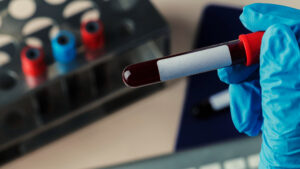
- Blood Tests – These tests measure hormone levels, such as LH (luteinizing hormone), FSH (follicle-stimulating hormone), and estradiol, to see if the puberty process has started hormonally.
Supporting Your Daughter Emotionally
Whether puberty comes early or late, it can be an emotionally challenging time. Girls may feel self-conscious or different from their friends.
- Early Developers may feel awkward about their changing bodies and could be teased.
- Late Developers may worry that something is wrong with them and feel left out when friends start talking about periods and bras.
Parents can help by offering reassurance and creating an open, supportive environment. Remind your daughter that everyone develops at their own pace and that her timeline is unique to her. A visit to a teen women’s health clinic can also provide her with a safe space to ask her own questions and receive factual, reassuring information directly from a medical professional.
Navigating the ups and downs of puberty can be challenging, but you don’t have to do it alone. Understanding the signs of early and late development allows you to be a proactive advocate for your daughter’s health. A teen gynecologist is an invaluable partner in addressing puberty concerns in girls, providing expert medical evaluation and compassionate support to ensure a healthy and confident transition into adolescence.
Don’t let questions about your daughter’s development cause you stress. Get the answers and expert guidance you need from the dedicated team at Doral Health & Wellness. Our specialists in adolescent gynecology are here to provide comprehensive evaluations in a welcoming and confidential setting. Contact Doral Health & Wellness today at 1-718-365-2555 or visit us at1797 Pitkin Avenue, Brooklyn, New York 11212 to schedule an appointment. For general information about Doral Health & Wellness services, you can contact or email info@doralhw.org.