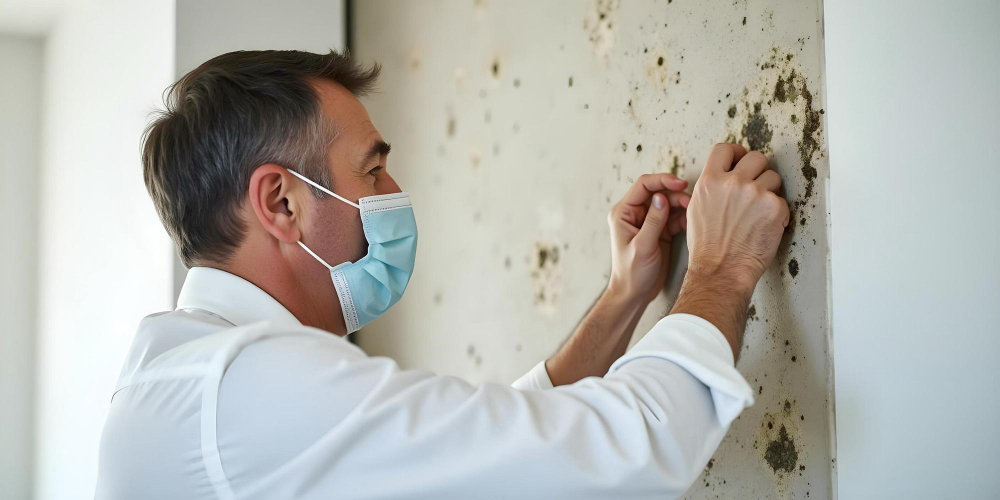
Mold allergy in Brooklyn brownstones is common because of aging construction, basement moisture, and limited airflow. Testing involves both home inspection and medical allergy evaluation. Treatment options for mold allergy include antihistamines, nasal corticosteroids, and immunotherapy. Remediation requires professional mold removal and long-term moisture control.
Brooklyn brownstones are beautiful. But behind their historic facades, many hide a problem that quietly affects your health: mold. Older construction, shared walls, and damp basements create exactly the conditions mold needs to grow and spread.
If you have been sneezing indoors, waking up congested, or noticing that your asthma worsens at home, a mold allergy in your Brooklyn brownstone could be the cause. This guide explains how to test for a mold allergy, which treatment options are available, and how to address the problem at its source. Knowing the steps puts you back in control.
How Do You Spot a Mold Problem in an Older Brooklyn Home?
Mold does not always announce itself. You might smell it before you see it. A persistent musty odor in your basement, bathroom, or near exterior walls is a common early sign. Visible dark spots on plaster, ceilings, or grout confirm the problem, but mold often hides inside walls or beneath flooring.
Brooklyn brownstones are especially vulnerable because of:
- Age of construction: Many predate modern vapor barriers and insulation standards.
- Basement moisture: Ground-level units and cellars collect water from the surrounding soil.
- Limited ventilation: Tight, historic window configurations restrict airflow.
- Shared plumbing: Leaks in one unit can quietly saturate the walls of another.
If your symptoms improve when you leave home and return when you come back, that pattern matters. Tell your allergist. It points directly toward an indoor allergen trigger.
How to Test for Mold Allergy in Brooklyn
Home Inspection Testing
You can purchase DIY mold test kits at hardware stores, but professional inspection gives you more reliable results. A certified indoor air quality inspector can identify mold species, measure spore concentrations, and locate hidden moisture sources in your building.
Medical Allergy Testing
An allergist uses skin prick testing or specific IgE blood tests to confirm whether you are sensitized to mold. This step is essential. Symptoms alone cannot confirm a mold allergy, and accurate diagnosis guides the right treatment plan.
If you are in Brooklyn, an immunology clinic in Brooklyn can complete this evaluation in one or two visits.
What Are the Treatment Options for Mold Allergy?
Medications for Day-to-Day Relief
Mold allergy treatment typically begins with medications that reduce symptoms while you address the underlying environment. Common options include:
- Antihistamines to control sneezing, itching, and runny nose
- Nasal corticosteroids to reduce airway inflammation
- Decongestants for short-term congestion relief
- Nasal saline rinses to clear allergen exposure from the nasal passages
Your allergist will recommend the combination that fits your symptom severity and overall health history.
Immunotherapy for Long-Term Reduction
For people with persistent mold allergy, immunotherapy offers a longer-term solution. Allergy shots gradually reduce your immune response to mold over time. Some patients are also candidates for sublingual drops. An immunology clinic in Brooklyn can evaluate whether immunotherapy is appropriate for your case and walk you through what the process looks like over months of treatment.
How to Remediate Mold in a Brooklyn Brownstone
Medication manages symptoms. Remediation addresses the source. Both are necessary.
According to the U.S. Environmental Protection Agency, any mold problem larger than 10 square feet requires professional remediation. For Brooklyn brownstones with aging plaster and shared infrastructure, professional removal is almost always the right call.
Key remediation steps include:
- Locating and repairing all moisture sources before removal begins
- Using containment procedures to prevent spores from spreading during cleanup
- Replacing porous materials like drywall or insulation that cannot be fully cleaned
- Installing dehumidifiers in basements and poorly ventilated areas
- Improving bathroom and kitchen exhaust to reduce ongoing humidity
Remediation without moisture control leads to regrowth. The repair and the prevention have to happen together.
Take the Next Step
Living with a mold allergy in a Brooklyn brownstone is manageable with the right support. You do not have to piece together the answers on your own.
Our allergists are here to offer comprehensive testing, personalized treatment plans, and guidance on working with your building management or landlord. Reach out today by calling +1-347-384-5690 or visit our clinic at 1797 Pitkin Avenue, Brooklyn, NY 11212 to schedule a consultation with an allergist who will take the time to understand your home, your health, and your goals.