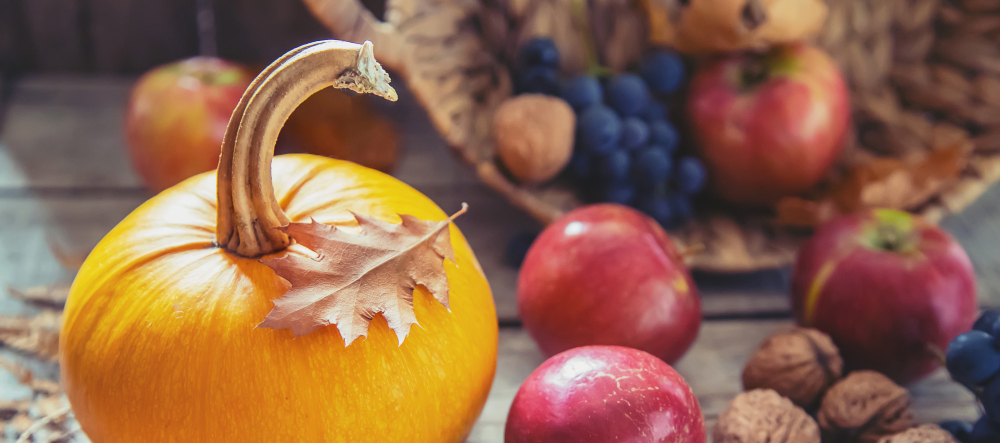
Seasonal eating in New York means building meals around what grows each season locally right now; that means Hudson Valley apples, winter squash, and root vegetables. These foods are harvested at peak ripeness, often cost less, and deliver fiber, vitamins, and antioxidants that support steady energy through the colder months. A nutritionist in Brooklyn, NY can help you turn these seasonal staples into meals that fit your household.
Walk into any New York farmers market this time of year and you will notice the shift. Summer tomatoes and corn have given way to crates of apples, mounds of squash, and bins of root vegetables still dusted with soil. This is not a coincidence. It is the rhythm of seasonal eating in New York, and it has been shaping diets here for generations.
Eating with the seasons is not about restriction. It is about working with what the region produces well, when it produces it best. Hudson Valley apples, winter squash, and root vegetables are not just available right now. They are at their peak, nutritionally and in flavor, which makes this an easy season to eat well without much extra effort.
Hudson Valley Apples: New York’s Fall and Winter Staple
Few foods are as closely tied to New York’s identity as the Hudson Valley apple. Orchards throughout the region have grown varieties like Empire, Macoun, and Honeycrisp for decades, and the harvest typically runs from late summer well into winter storage. If you want a reliable, affordable source of fiber and vitamin C through the colder months, New York apples are hard to beat.
Apples hold their nutrients well in storage, which means the apple you eat in January can still deliver meaningful fiber and polyphenols, plant compounds linked to reduced inflammation. One medium apple provides close to 4 grams of fiber, supporting digestion and helping you feel fuller between meals.
Winter Squash in New York: Nutrition and Seasonal Availability
Winter squash is one of the most underused vegetables in a typical New York kitchen, yet it may be one of the most nutritious. Butternut, acorn, and delicata squash are harvested in fall and stored well through winter, making them a dependable option even when fresh produce options narrow.
Varieties and Health Benefits
Each variety brings something slightly different to the table.
- Butternut squash is rich in beta-carotene, which your body converts to vitamin A, supporting immune function and eye health.
- Acorn squash offers a good source of potassium, a nutrient many New Yorkers fall short on, which supports healthy blood pressure.
- Delicata squash has an edible skin, adding extra fiber without extra prep work.
Roasting brings out the natural sweetness in all three, making squash an easy addition to weeknight dinners without needing added sugar.
Root Vegetables: The Underrated Stars of Seasonal Eating in New York
Carrots, beets, parsnips, and turnips rarely get the attention apples and squash do, but they deserve a place on your plate. Root vegetables grow well in New York’s cooler soil and store for months, which is part of why they have long been a cold-weather staple across the state.
How to Use Root Vegetables in Winter Meals
Root vegetables are versatile, and small changes in preparation can make them central to a meal rather than an afterthought.
- Roast a mix of carrots, parsnips, and beets with olive oil for a simple side dish that holds up well for leftovers.
- Add diced turnips or parsnips to soups and stews to boost fiber without changing the flavor much.
- Shred raw beets or carrots into salads for a crunchy, nutrient-dense addition.
These vegetables are rich in fiber and antioxidants, and many, like beets, contain nitrates that may support healthy blood flow.
Why Seasonal Eating in New York Supports Your Health
Choosing produce in season is not only about flavor. Seasonal eating in New York often means fresher food, since Hudson Valley apples, winter squash, and root vegetables travel shorter distances to reach your table. Shorter supply chains can mean better nutrient retention and lower cost, since you are not paying a premium for produce shipped from across the country.
When Should You Talk to a Nutritionist
Building meals around what is actually in season also encourages variety over time, which supports a more balanced intake of vitamins and minerals throughout the year. If figuring out how to apply this to your household feels overwhelming, you do not have to work it out alone.
If you or a loved one needs support building a plan that fits your home and your life, reach out to our Nutrition team today by calling +1-718-367-2555 or visiting us at 1797 Pitkin Avenue, Brooklyn, NY 11212 to schedule a consultation. We are here to help you take the next step, one meal at a time.