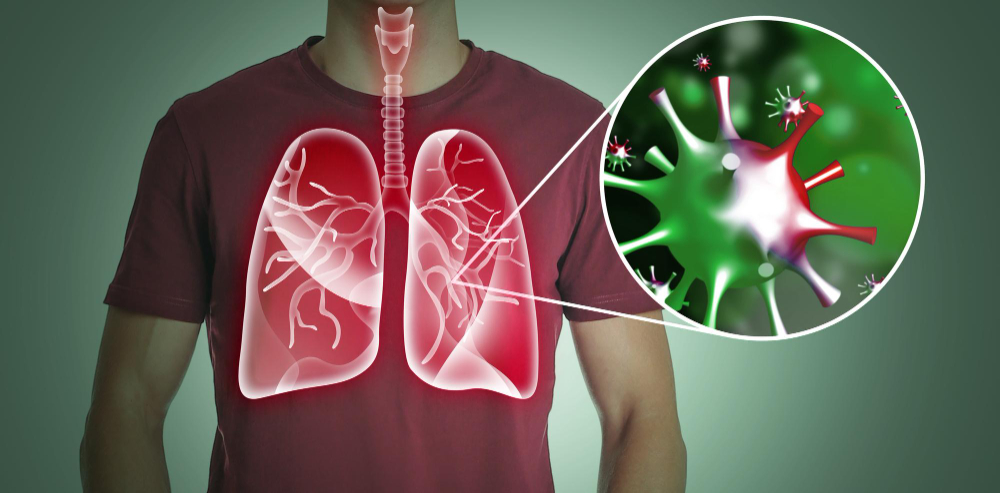
Walking pneumonia is a mild lung infection, often caused by Mycoplasma pneumoniae, that produces a persistent cough without the severe symptoms of typical pneumonia. Fall is a common season for walking pneumonia because cooler weather, indoor crowding, and school schedules help respiratory bacteria spread. If your cough lingers past two or three weeks, an infectious diseases doctor in Brooklyn can confirm the cause and get you on the right treatment.
That cough has been hanging around for weeks now. You have tried cough drops, extra rest, and maybe even a round of over-the-counter medicine, but it keeps coming back, especially at night. You are starting to wonder if something more is going on.
For many people, that lingering fall cough is walking pneumonia. It sounds alarming, but the name is often more frightening than the illness itself. Walking pneumonia is a milder form of lung infection that rarely requires hospitalization, which is exactly why it earned its name: most people feel well enough to keep walking through their daily routine while still carrying the infection.
Understanding why walking pneumonia tends to surface in autumn, how to recognize it, and when it is time to see a specialist can help you stop guessing and start feeling better.
What Is Walking Pneumonia, Exactly?
Walking pneumonia is a lung infection most commonly caused by the bacterium Mycoplasma pneumoniae. Unlike classic bacterial pneumonia, which can cause high fever, chest pain, and difficulty breathing severe enough to require hospital care, walking pneumonia tends to produce milder, slower-building symptoms.
You might notice a persistent dry cough, mild fatigue, a low-grade fever, or a scratchy throat that will not fully resolve. Because the symptoms feel more like a stubborn cold than a serious infection, many people delay seeking care, often for weeks.
That delay matters. Left untreated, walking pneumonia can linger longer than it needs to and, in some cases, worsen or spread to others in your household.
Why Fall Is Prime Time for Walking Pneumonia
Cooler weather is not the direct cause of walking pneumonia, but it creates the perfect conditions for the bacteria behind it to spread. As temperatures drop, people spend more time indoors with windows closed, and shared air makes it easier for respiratory bacteria to pass from person to person.
Fall also means the return of school and daycare routines, where close contact between children accelerates transmission. Walking pneumonia tends to spread in waves through schools and families, often showing up in one member of a household a week or two after another.
A few other seasonal factors play a role as well:
- Close indoor contact: Classrooms, offices, and family gatherings bring people into closer, longer contact as outdoor activities wind down.
- Weakened seasonal immunity: Many people are simultaneously fighting off colds, flu, or allergies in the fall, which can leave the immune system stretched thin.
- Slow-building symptoms: Walking pneumonia develops gradually, often over one to four weeks, so by the time symptoms are noticeable, the infection may have already had time to spread to others.
Recognizing this seasonal pattern helps explain why a cough that started as “just a cold” in September is still bothering you in November.
Common Symptoms That Signal More Than a Cold
A typical cold usually clears up within seven to ten days. Walking pneumonia behaves differently, and learning to spot the difference can save you weeks of unnecessary discomfort.
Watch for these signs:
- A cough that will not quit: Often dry at first, this cough can last for three to six weeks and may worsen at night.
- Low-grade fever: Rather than the high fever associated with typical pneumonia, walking pneumonia often brings a mild, persistent fever that comes and goes.
- Fatigue that outlasts your other symptoms: You may feel physically drained well after your throat and congestion start to improve.
- Chest discomfort or tightness: Some people notice mild chest pain, particularly when coughing.
- Headache and sore throat: These often appear early and can be mistaken for a common cold.
If your cough has lasted longer than two to three weeks, or if you notice a fever that will not fully break, these are signals that your body needs more support than rest and fluids alone.
When It Is Time to See an Infectious Diseases Doctor
You do not need to wait until symptoms become severe to seek help. A cough that persists for weeks, recurs after seeming to improve, or is accompanied by ongoing fatigue and low-grade fever deserves a closer look.
An infectious diseases doctor in Brooklyn can run diagnostic testing to confirm whether Mycoplasma pneumoniae or another organism is behind your symptoms, rather than leaving you to guess based on symptoms alone. This matters because walking pneumonia does not always respond to standard antibiotics used for other respiratory infections. Identifying the exact pathogen allows your doctor to prescribe the medication that will actually work against it.
Choose a visit with a specialist if your cough has lasted more than three weeks, if you have underlying health conditions such as asthma or a weakened immune system, or if a previous round of antibiotics has not improved your symptoms. These situations call for more than guesswork, and an accurate diagnosis is the fastest path back to feeling like yourself.
Protecting Your Family This Fall
You are not powerless against walking pneumonia. A few practical habits can lower your risk and protect the people around you.
- Wash hands frequently, especially after school pickup, shared workspaces, or public transportation.
- Cover coughs and sneezes with your elbow rather than your hands to limit the spread of respiratory droplets.
- Stay home when symptomatic to avoid passing the infection to classmates, coworkers, or family members.
- Support your immune system with adequate sleep, hydration, and balanced nutrition as the weather turns colder.
These steps will not guarantee you avoid walking pneumonia entirely, but they meaningfully reduce the chances that it spreads through your household the way it often does each fall.
Getting Answers When a Cough Will Not Go Away
A cough that lingers for weeks is your body’s way of telling you something needs attention. You do not have to keep waiting it out, hoping it resolves on its own, or cycling through over-the-counter remedies that only mask the symptoms.
If your loved one has an infection that will not resolve, our infectious disease specialists can help identify the exact cause and match the drug to the bug for a faster, more effective recovery. Reach out to us today by calling +1-718-367-2555 or visiting us at 1797 Pitkin Avenue, Brooklyn, NY 11212 to schedule a consultation and take the next step toward answers and relief.