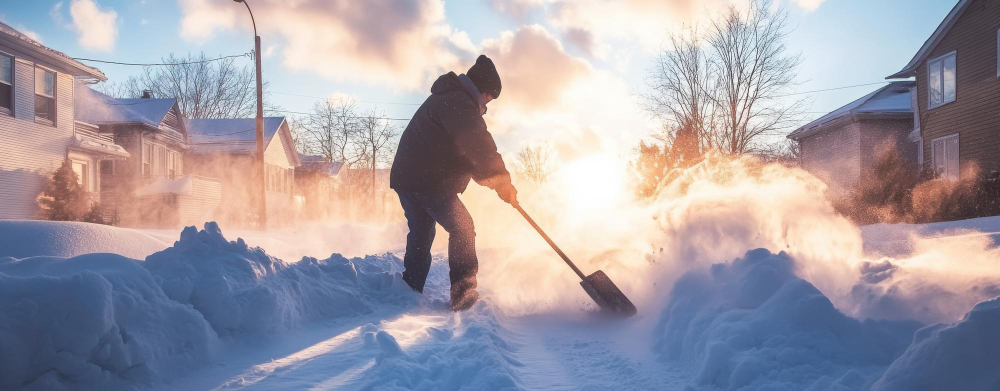
Snow shoveling is one of the most dangerous winter activities for your heart. Cold temperatures narrow blood vessels, and the sudden exertion of lifting heavy snow forces your heart to work far harder than usual. People with heart disease, older adults, and those with high blood pressure or diabetes should not shovel snow without talking to a cardiologist first. If you fall into one of these groups, hiring help or using a snow blower is the safer choice.
Every winter, emergency rooms see a predictable spike in heart attacks after the first major snowfall. It is not a coincidence. Shoveling snow combines two things your heart dislikes most: cold air and sudden, intense physical strain. For most healthy adults, this combination is uncomfortable. For people with underlying heart conditions, it can be life-threatening.
You may not think twice about grabbing a shovel after a storm. It feels routine, even expected. But your heart experiences that routine task very differently than you do, and understanding why can help you protect yourself and the people you love this season.
Why Snow Shoveling Is Dangerous for Your Heart
Cold weather causes your blood vessels to constrict, which raises your blood pressure and makes your heart pump harder to move blood through narrower pathways. Layer on the physical demand of shoveling, which combines heavy lifting, arm strain, and cardiovascular exertion similar to sprinting, and you have created a perfect storm for your heart.
This is why so many patients schedule a cardiac stress test after a scary moment in the driveway. A stress test can reveal how your heart responds to physical exertion before a real emergency forces the question.
Research consistently shows the danger is real, not exaggerated:
- Increased cardiac demand: Shoveling raises heart rate and blood pressure faster than most other common activities.
- Cold-weather strain: Low temperatures cause arteries to tighten, reducing blood flow to the heart.
- Sudden exertion risk: Many people shovel without warming up, jumping straight into strenuous activity.
Who Should Never Shovel Snow
Not everyone faces the same level of risk. If you fall into one of the following groups, it is worth asking your doctor whether snow shoveling is safe for you at all.
People With Heart Disease or Prior Heart Attack
If you have a history of heart disease, a prior heart attack, or coronary artery disease, shoveling snow puts you at significantly higher risk. Your heart is already working with less reserve capacity, and the sudden demand of shoveling can trigger chest pain or a cardiac event. This group should not shovel snow without explicit clearance from a cardiologist.
Older Adults
Age alone increases cardiovascular risk during cold-weather exertion. Even without a diagnosed heart condition, your body may not handle sudden strain the way it once did. Many families searching for the best cardiologist in Brooklyn do so after an older parent experiences chest tightness while clearing a driveway.
People With High Blood Pressure or Diabetes
High blood pressure and diabetes both place extra demand on your cardiovascular system. Combined with cold exposure and physical exertion, these conditions raise your risk of a sudden cardiac event. If you manage either condition, shoveling snow deserves a conversation with your doctor beforehand.
Safe Snow Shoveling Tips for Lower-Risk Individuals
If your doctor has confirmed you are at lower risk, you can still take steps to protect your heart:
- Warm up first: Stretch and move indoors for a few minutes before heading outside.
- Push instead of lift: Pushing snow puts less strain on your heart than lifting and tossing it.
- Take frequent breaks: Rest every few minutes, even if you do not feel tired yet.
- Dress in layers: Keep your core warm while allowing your body to regulate temperature as you work.
- Stop at the first warning sign: Chest pain, shortness of breath, or dizziness means stop immediately and call for help.
You Do Not Have to Face This Risk Alone
Deciding whether it is safe for you or someone you love to shovel snow should not be a guessing game. A short conversation with a cardiologist can give you clear answers based on your actual heart health, not just your age or how you feel that day.
Our Cardiology team is here to explain every step of the walking protocol, answer your safety questions, and support your family before, during, and after the appointment. Reach out today by calling +1-718-367-2555 or visiting us at 1797 Pitkin Avenue, Brooklyn, NY 11212 to schedule a stress test and get the answers you deserve.