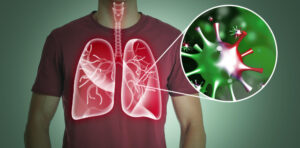
Holiday heart syndrome describes an irregular heartbeat, often atrial fibrillation (A-Fib), triggered by binge drinking, rich meals, and the stress of the holiday season, even in people without a history of heart disease. Symptoms include a racing or fluttering heartbeat, dizziness, and shortness of breath. If you notice these signs, especially after a night of celebration, it is worth talking to the best cardiologist in Brooklyn you can find without delay.
The holidays bring parties, family gatherings, and plenty of food and drink. For most people, that means a season of joy. But for some, it also means an unexpected trip to the emergency room. Doctors have a name for this pattern: holiday heart syndrome. It describes the sudden onset of an irregular heart rhythm, usually A-Fib, that tends to spike around Thanksgiving, Christmas, and New Year’s Eve.
You do not need an existing heart condition to experience it. Binge drinking, overeating, dehydration, and poor sleep can all put stress on your heart at the same time, and that combination can be enough to throw its rhythm off balance. Understanding what is actually happening in your body, and who is most at risk can help you enjoy the season while still protecting your heart.
What Is Holiday Heart Syndrome?
Holiday heart syndrome is not a separate disease. It is a label for a specific trigger pattern behind atrial fibrillation, the most common type of irregular heartbeat. A-Fib happens when the heart’s upper chambers beat chaotically instead of in a steady rhythm, which can reduce blood flow and raise the risk of blood clots and stroke.
The term was first used decades ago by doctors who noticed a spike in emergency room visits for new-onset A-Fib right after major holidays. The pattern has held up over time, and it is still something our cardiology team sees every December and January.
How Binge Drinking Affects Your Heart Rhythm
Alcohol is one of the clearest triggers behind holiday heart syndrome. Drinking heavily, even on a single occasion, affects your heart in several ways:
- Electrical disruption: Alcohol can interfere with the electrical signals that keep your heartbeat steady, making irregular rhythms more likely.
- Dehydration: Alcohol is a diuretic, and dehydration throws off the balance of electrolytes your heart depends on to function properly.
- Disrupted sleep: Alcohol may help you fall asleep faster, but it fragments sleep quality later in the night, and poor sleep is its own trigger for A-Fib.
You do not need to be a long-term heavy drinker for this to happen. Binge drinking on one night, a common holiday pattern, is enough to set off an episode in an otherwise healthy heart.
Why Rich, Salty Holiday Meals Add to the Risk
Alcohol rarely acts alone. Holiday meals tend to be heavier in sodium, saturated fat, and sheer volume than everyday eating, and that combination asks a lot of your cardiovascular system. A large, salty meal can raise your blood pressure temporarily and pull extra fluid into your bloodstream, adding further strain on top of alcohol’s effects.
Add in the stress of travel, family dynamics, and a packed schedule, and your heart is managing several triggers at once. This is exactly why holiday heart syndrome tends to cluster around the same few weeks each year.
Recognizing the Warning Signs
Knowing what to watch for can make the difference between a quick recovery and a serious complication. Common symptoms include:
- A racing, fluttering, or pounding heartbeat
- Shortness of breath, even at rest
- Lightheadedness or dizziness
- Chest discomfort or pressure
- Fatigue that feels disproportionate to your activity
Most episodes resolve within 24 hours as alcohol clears your system and your body rehydrates. But some episodes persist, and recurrent A-Fib raises your long-term risk of stroke. If symptoms last longer than a few hours, or if you feel chest pain, seek medical attention rather than waiting it out. Many patients find it reassuring to already have a relationship with the best cardiologist in Brooklyn before an emergency happens, so there is no guesswork about where to turn.
Protecting Your Heart This Season
You can still enjoy holiday gatherings without putting your heart at unnecessary risk. A few practical habits make a real difference:
- Pace alcohol intake and alternate drinks with water
- Watch portion sizes on sodium-heavy dishes like stuffing, gravy, and cured meats
- Prioritize sleep, even during a busy schedule
- Know your personal risk factors, especially if A-Fib runs in your family
When To See A Cardiologist
If you have already experienced a holiday heart episode, or you want a clearer picture of your cardiovascular risk before the season gets busy, a stress test can offer answers. Our cardiac diagnostic services are designed to catch irregularities before they become emergencies.
Our Cardiology team is here to explain every step of the walking protocol, answer your safety questions, and support your family before, during, and after the appointment. Reach out today by calling +1-718-367-2555 or visiting us at 1797 Pitkin Avenue, Brooklyn, NY 11212 to schedule a stress test and get the answers you deserve.