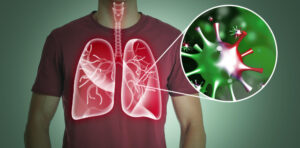
Getting a flu shot each fall does more than prevent the flu; it may lower your risk of a heart attack. Flu infection places sudden stress on the heart, and vaccination reduces that risk significantly, especially for people with existing heart disease. Cardiologists recommend the flu shot as a simple, low-cost way to protect your cardiovascular health every season.
If you have ever wondered whether a flu shot is really worth the trip, you are not alone. Many patients see it as a minor inconvenience, something to squeeze in before winter gets busy. But for your heart, that quick appointment carries more weight than it might seem.
Flu and heart health are connected in ways that surprise most people. The virus does not just cause fever and fatigue. It can trigger inflammation, raise your blood pressure, and put real strain on a heart that is already working hard. For people with heart disease, or even those who do not yet know they are at risk, that strain can be the difference between a mild illness and a serious cardiac event.
This is why your cardiology care team brings up vaccination every autumn, not just as a general health reminder, but as a specific, heart-focused recommendation.
How Does the Flu Actually Raise Heart Attack Risk?
When your body fights an infection, it releases inflammatory chemicals to help you heal. That response is necessary, but it is also hard on your cardiovascular system. Inflammation can cause plaque inside your arteries to become unstable, and an unstable plaque is far more likely to rupture and trigger a heart attack.
Flu infection also increases heart rate, raises clotting activity, and can lower the oxygen available to heart tissue, especially if you already have narrowed arteries. Layer a respiratory illness on top of an already vulnerable heart, and you have a recipe for sudden, serious complications.
Research has consistently shown this connection is not rare or incidental:
- Higher short-term risk: Studies have found the risk of heart attack rises substantially in the days immediately following a confirmed flu infection.
- Greater danger for high-risk groups: Older adults and people with existing heart disease face the steepest increase in risk.
- Vaccination lowers that risk: Multiple studies show flu vaccination is associated with a meaningfully reduced chance of major cardiac events, particularly among people with a history of heart disease.
Who Should Prioritize the Flu Shot for Heart Protection?
While cardiologists recommend the flu shot for nearly everyone each fall, it matters most for certain groups:
- Anyone with a history of heart disease: Including prior heart attack, heart failure, or coronary artery disease.
- Adults over 65: Age alone increases both flu severity and cardiac vulnerability.
- People with diabetes or high blood pressure: Conditions that already place extra demand on the heart.
- Caregivers and household members: Protecting the people around a high-risk loved one helps reduce exposure in the first place.
If you fall into one of these groups, vaccination is not just a precaution. It is one of the most effective, lowest-effort steps you can take to protect your heart this season.
When Is the Best Time to Get Vaccinated?
Flu activity typically builds through the fall and peaks in winter, so cardiologists recommend getting vaccinated in September or October. It takes about two weeks for your body to build full protection, so earlier is better. Waiting until flu season is already underway leaves a window of vulnerability you can avoid with earlier planning.
You Do Not Have to Navigate This Alone
Deciding when and whether to get vaccinated can feel like one more thing on an already long list, especially if you are managing an existing heart condition. You do not have to sort through the research or guess at your personal risk by yourself. A conversation with your care team can clarify exactly what your heart needs this season, and whether additional screening makes sense alongside your vaccination.
Our Cardiology team is here to explain every step of the walking protocol, answer your safety questions, and support your family before, during, and after the appointment. Reach out today by calling +1-718-367-2555 or visiting us at 1797 Pitkin Avenue, Brooklyn, NY 11212 to schedule a stress test and get the answers you deserve.