Watching your child struggle with heel pain is tough. If they complain of discomfort during or after sports, they might be dealing with a very common growth-plate issue. You want fast, effective answers to help them heal. That is exactly why we created this comprehensive guide to Sever’s disease diagnosis and treatment. We will walk you through what to expect at the doctor’s office and explore the most effective treatment options for Sever’s disease. With the right care plan, your young athlete can return to the activities they love without pain. Let’s explore how to get them back on their feet. Get a consultation with the best Podiatrists in Brooklyn.
Your Comprehensive Guide to Sever’s Disease Diagnosis and Treatment
Getting an accurate diagnosis is the crucial first step toward recovery. Because heel pain can stem from various issues, you need a professional evaluation to confirm the exact cause.
The Diagnostic Process
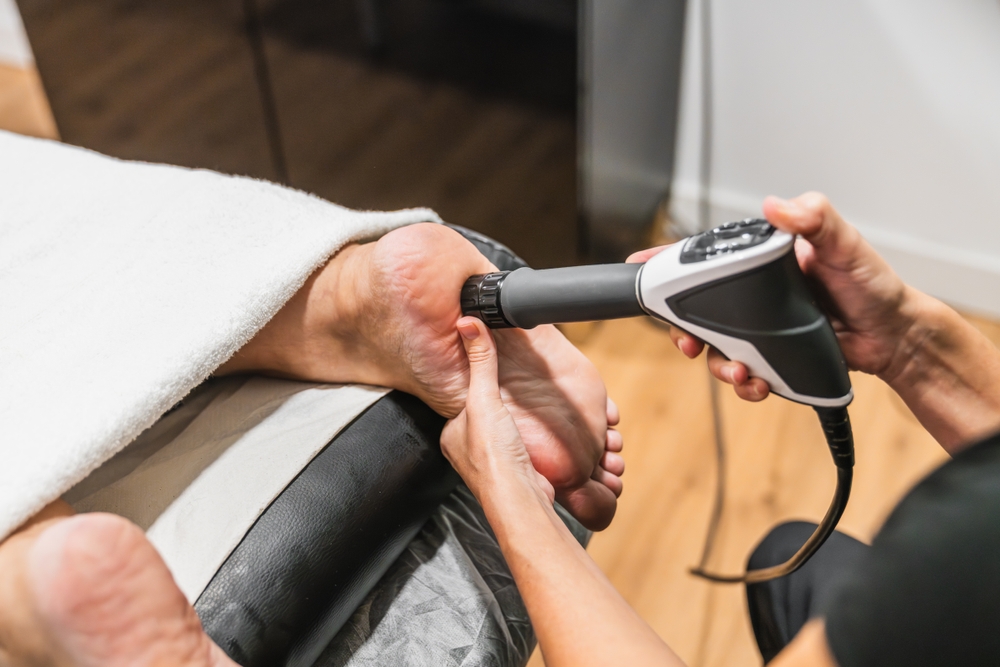
When you bring your child to a specialist, the appointment begins with a thorough physical exam. A qualified podiatrist will review your child’s medical history, current symptoms, and recent activity levels. They will perform a physical examination of the foot and lower leg.
During this exam, the doctor often performs a “squeeze test.” By gently pressing the sides of the heel bone, they can pinpoint the exact location of the pain. While X-rays cannot show the inflammation of the growth plate itself, a podiatrist might still order them. This helps rule out other potential problems, such as bone fractures or cysts, ensuring the diagnosis is completely accurate.
Exploring Treatment Options for Sever’s Disease
Once diagnosed, the focus immediately shifts to recovery. The great news is that this condition is temporary and highly treatable. Most treatment options for Sever’s disease focus on reducing inflammation and taking pressure off the growing heel bone.
Rest and Ice Therapy
The most critical step in healing is giving the foot a break.
- Modify activities: Take a temporary break from high-impact sports like soccer, basketball, or track.
- Apply cold therapy: Place an ice pack wrapped in a towel on the heel for 15 to 20 minutes. Do these two to three times a day to rapidly reduce swelling and numb the pain.
Proper Footwear and Support
Proper foot support plays a massive role in a fast recovery. Walking barefoot or wearing flat shoes can aggravate the Achilles tendon.
- Choose supportive shoes: Have your child wear athletic shoes with a slightly elevated heel and good arch support.
- Utilize orthotics: Using gel heel cups or custom orthotics prescribed by a podiatry clinic in Brooklyn will reduce the daily strain on the heel bone.
Stretching and Physical Therapy
Tight calf muscles pull on the Achilles tendon, which in turn pulls on the inflamed growth plate. Gentle, consistent stretching exercises relieve this tension. Sometimes, visiting a podiatry clinic in Brooklyn for guided physical therapy provides the exact targeted movements your child needs. A professional can teach your child specific stretches that safely improve flexibility without causing further irritation.
Next Steps for Lasting Relief
Seeing your child in pain is difficult, but this condition is highly manageable. By understanding the available treatment options for Sever’s disease, you can take quick, decisive action. If your child’s heel pain persists after a few days of rest, do not wait. Schedule an appointment with a local podiatrist today to get a proper evaluation and a personalized recovery plan.
Reach out to Doral Health & Wellness; we have Podiatrists with extensive education and expertise. Our address is 1797 Pitkin Avenue, New York, NY 11212. To make an appointment, please call + 1 718 367 2555, or register your information and make direct contact with us at https://yuz88hfiyh7.typeform.com/Doralintake or send an email to info@doralhw.org.