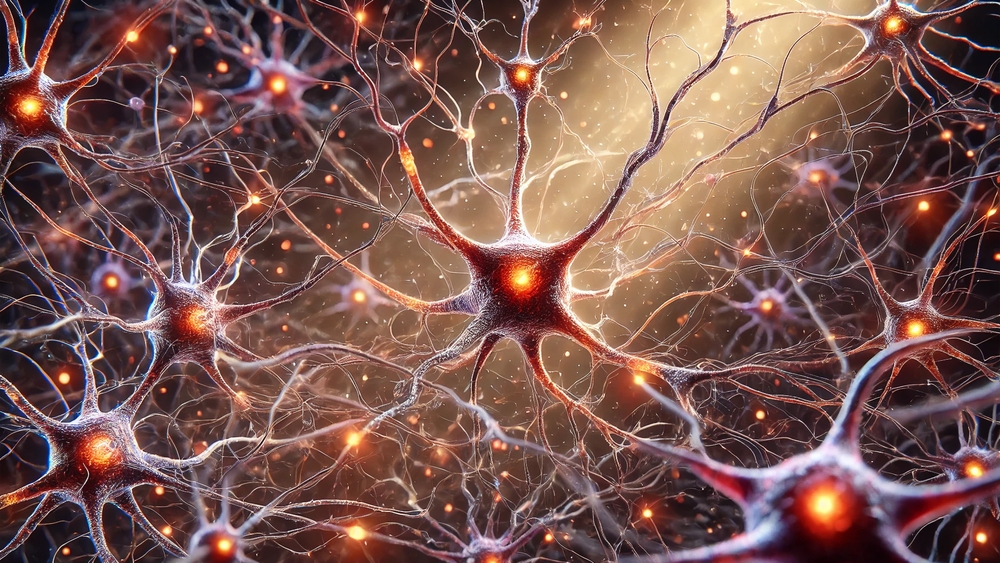
For many years, the human brain was seen as a static organ that, once damaged, could not be repaired. We now know this is far from the truth. The brain possesses a remarkable ability to reorganize itself by forming new neural connections throughout life. This is the fundamental role of neuroplasticity. This incredible adaptability has sparked a critical question: can we harness this power through cognitive exercises to slow the progression of cognitive decline? The evidence is increasingly optimistic. By actively engaging our minds, we can build cognitive reserve and strengthen neural pathways, offering a powerful defense against age-related memory changes and more serious conditions. Visit the best Mental Health Clinic in Brooklyn at Doral Health & Wellness, or log on to www.doralhw.org to know more.
Understanding the Role of Neuroplasticity in Brain Health
Neuroplasticity is the brain’s capacity to change and adapt. Every time you learn a new skill, form a memory, or experience something new, your brain is physically changing. Neurons create new connections, and existing pathways are strengthened. In the context of cognitive decline, this means the brain can potentially compensate for damaged areas by rerouting tasks to healthy regions. This is why a proactive approach to brain health, guided by a mental health doctor, is so vital. It’s not just about treating symptoms; it’s about actively working with your brain’s natural ability to adapt.
Cognitive Exercises to Slow the Progression of Cognitive Decline
Building a “brain gym” routine doesn’t have to be complicated. The key is to consistently challenge your mind with novel and complex activities. These exercises push your brain out of its comfort zone, stimulating the growth of new connections.
Effective Brain-Training Activities
Here are some powerful cognitive exercises to slow the progression of cognitive decline:
- Learn a New Skill: Challenge your brain by learning a musical instrument, a new language, or a complex craft like painting or coding. The process of learning engages multiple brain regions at once.
- Engage in Strategic Games: Activities like chess, Sudoku, crossword puzzles, and even complex video games require strategic thinking, problem-solving, and memory recall.
- Vary Your Daily Routines: Simple changes can stimulate your brain. Try brushing your teeth with your non-dominant hand, taking a different route to the grocery store, or rearranging your desk. These small novelties force your brain to pay attention and adapt.
- Practice Mindfulness and Meditation: These practices have been shown to improve focus, reduce stress (which is harmful to the brain), and even increase gray matter density in areas associated with learning and memory.
A comprehensive mental health clinic in Brooklyn can offer structured cognitive training programs tailored to an individual’s specific needs and abilities.
The Importance of Social Engagement
Cognitive health is not just about solitary puzzles. Social interaction is one of the most complex activities for the brain. Engaging in conversation requires you to listen, process information, access memories, and formulate a response in real-time. Joining a book club, volunteering, or simply spending regular time with friends and family is a powerful cognitive exercise.
When to Seek Professional Guidance
While these exercises are beneficial for everyone, it is important to consult a professional if you have concerns about your cognitive health. A mental health doctor can perform a baseline assessment and rule out any underlying medical conditions. They can provide personalized recommendations and help you distinguish between normal age-related changes and early signs of a more serious issue. For those in the New York area, a mental health clinic in Brooklyn can provide access to specialists in neurology and geriatric psychology.
Conclusion
The role of neuroplasticity offers incredible hope in the fight against cognitive decline. While we may not be able to completely stop the aging process, we can take active steps to support our brain’s health and resilience. By incorporating cognitive exercises to slow the progression of cognitive decline into our daily lives, we can build a stronger, more adaptable brain. Start challenging your mind today to invest in a healthier cognitive future.
If you have concerns, don’t hesitate to reach out to our specialist today to schedule a consultation with our neurology department, or for further inquiries, call us at +1-718-367-2555 to get a consultation. Or log on to www.doralw.org. Visit us at 1797 Pitkin Avenue, Brooklyn, NY 11212. If you need help, register your information and make direct contact with us at https://yuz88hfiyh7.typeform.com/Doralintake.