The human brain is an incredibly complex organ, but it is also vulnerable to gradual wear and tear. When people experience cognitive or motor decline, they often wonder about the root causes. Medical researchers have spent decades studying neurodegenerative conditions to understand why the brain sometimes fails to protect its own cells.
If you or a loved one is experiencing neurological changes, understanding the link between Parkinson’s, Huntington’s, and Alzheimer’s disease can clarify what is happening beneath the surface. While these three conditions present differently, they share surprising biological similarities. By exploring these shared traits, you can better recognize early warning signs and seek the right support. Let us dive into the science connecting these conditions and discuss how to protect your long-term cognitive health. Visit the best Mental Health Clinic in Brooklyn at Doral Health & Wellness, or log on to www.doralhw.org to know more.
What is the link between Parkinson’s, Huntington’s, and Alzheimer’s disease?
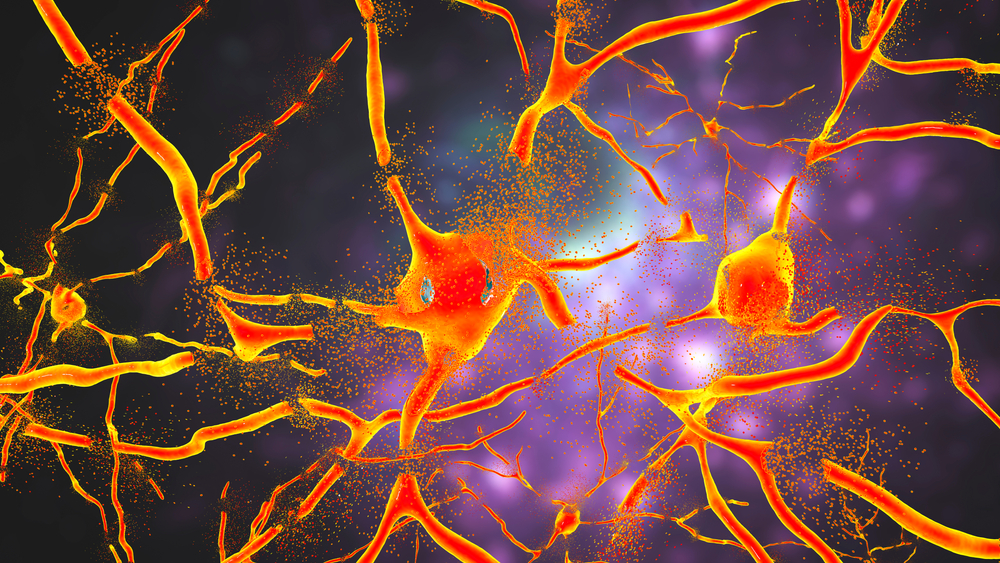
At their core, all three of these conditions are neurodegenerative disorders. This means they cause progressive damage to neurons, which are the fundamental building blocks of the brain and nervous system. Once neurons become damaged or die, the brain struggles to communicate effectively with the rest of the body.
The most significant shared trait among these diseases is protein misfolding. In a healthy brain, proteins fold into specific shapes to perform vital cellular tasks. When proteins misfold, they clump together and form toxic deposits that slowly destroy surrounding brain tissue.
The Role of Toxic Proteins
Each disease features a different specific protein, but the destructive process remains remarkably similar:
- Alzheimer’s Disease: Misfolded amyloid and tau proteins build up, forming plaques and tangles that primarily disrupt memory and thinking.
- Parkinson’s Disease: A protein called alpha-synuclein clumps together, damaging the brain areas responsible for smooth muscle movement and coordination.
- Huntington’s Disease: A genetic mutation causes the huntingtin protein to fold incorrectly, leading to severe motor and cognitive breakdown.
If you notice unusual memory lapses or movement issues, consulting a qualified mental health doctor is a critical first step. They can help identify which specific pathways in the brain are being affected.
Overlapping Symptoms and Shared Challenges
Because these diseases all damage brain tissue, patients often experience overlapping symptoms as the conditions progress. While Parkinson’s usually starts with tremors and Alzheimer’s begins with memory loss, the later stages often look quite similar.
Common shared symptoms include:
- Cognitive decline: Difficulty focusing, poor judgment, and severe memory loss.
- Mood shifts: High rates of depression, anxiety, and sudden apathy.
- Behavioral changes: Irritability, confusion, and changes in personality.
Visiting a specialized mental health clinic in Brooklyn can provide you with comprehensive evaluations. These facilities use advanced tools to differentiate between normal aging and the early stages of a neurodegenerative disorder.
Why Early Detection Matters
There is currently no cure for these conditions, but early intervention changes everything. Identifying the problem early allows patients to start therapies that manage symptoms and improve daily life. A proactive mental health doctor can prescribe medications, recommend physical therapy, and suggest cognitive exercises that build a stronger, more resilient brain.
Seeking Professional Support
Managing a neurodegenerative disorder requires a strong, compassionate support system. A dedicated team of medical professionals can help you navigate the complex physical and emotional changes that accompany these diseases. By partnering with a local mental health clinic in Brooklyn, you and your family gain access to ongoing counseling, support groups, and the latest treatment strategies.
Conclusion
Understanding the link between Parkinson’s, Huntington’s, and Alzheimer’s disease highlights the importance of cellular health and early medical intervention. While these conditions are deeply challenging, you do not have to face them alone. Recognizing the shared signs of protein buildup and neuron damage empowers you to seek help sooner. If you are concerned about your cognitive or motor health, reach out to our specialist today to schedule a consultation with our neurology department, or for further inquiries, call us at +1-718-367-2555 to get a consultation. Or log on to www.doralw.org. Visit us at 1797 Pitkin Avenue, Brooklyn, NY 11212. If you need help, register your information and make direct contact with us at https://yuz88hfiyh7.typeform.com/Doralintake.